4 Reasons Why High-Traffic Living Rooms Need Separate Sofa Cleaning Sched
Key Takeaways
- High-traffic living rooms experience faster sofa contamination than other areas, which standard housekeeping cleaning routines are not designed to address.
- Wear patterns, embedded debris, and body oils accumulate unevenly on sofas used daily, requiring targeted extraction methods and separate scheduling.
- Health, hygiene, and material longevity risks increase when sofa maintenance is bundled into general cleaning cycles.
- Separate scheduling allows better budgeting, clearer scope control, and more predictable maintenance outcomes for frequently used seating.
Introduction
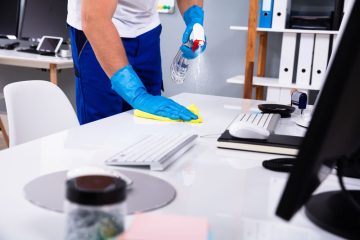
High-traffic living rooms function as shared spaces for daily use, informal meetings, children’s activities, pet movement, and frequent guest interaction. These patterns of use change how furniture accumulates dirt and contaminants. While housekeeping cleaning provides baseline upkeep for surfaces and visible dirt, it does not account for deep-seated residues that settle into upholstery fibres. This situation is where sofa deep cleaning in Singapore is often misaligned with general service schedules. Treating sofa maintenance as part of the same cleaning cycle leads to uneven hygiene outcomes, higher long-term wear on upholstery, and avoidable costs tied to premature fabric degradation. Separating sofa treatment from routine housekeeping cleaning allows for better control of hygiene standards, service scope, and material lifespan.
1) Uneven Wear Patterns Demand Targeted Cleaning Cycles
High-traffic living rooms rarely experience uniform usage. Certain seating positions are used daily, while others see little contact. This situation creates uneven soil build-up, sweat absorption, skin oil transfer, and friction damage in specific areas of the sofa. General housekeeping cleaning focuses on visible dust, floors, and surfaces, not on deep fibre extraction in high-contact zones. Over time, this uneven wear becomes structural damage, colour patchiness, and compressed padding that is difficult to restore. A separate sofa deep cleaning schedule allows service providers to concentrate on pressure points such as armrests, seat cushions, and backrest contact zones using extraction, agitation, and controlled moisture techniques suited to those areas. These zones continue to degrade faster than the rest of the furniture without a targeted cycle, creating inconsistent wear that shortens the usable life of the sofa.
2) Embedded Contaminants Accumulate Faster Than Visual Dirt
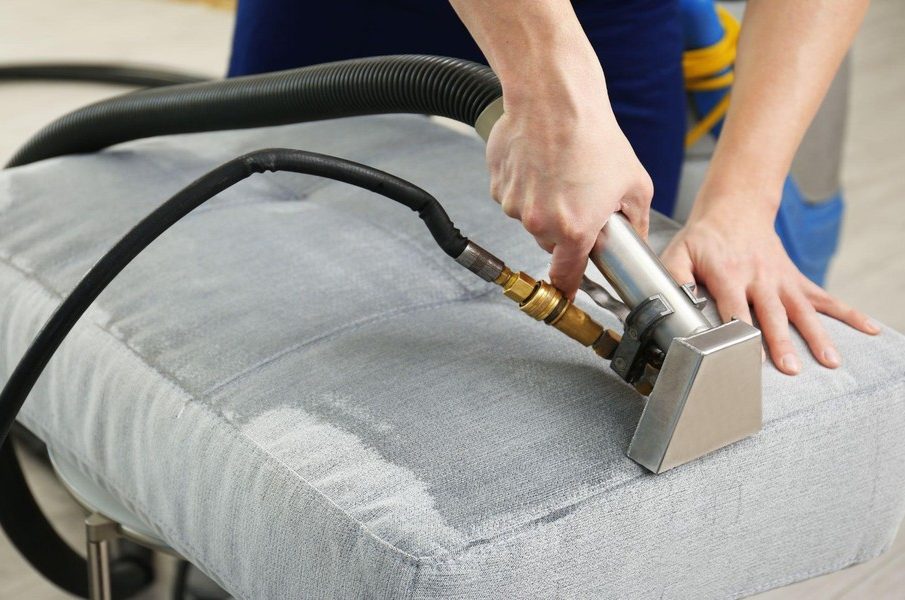
High-traffic living rooms collect more than surface dust. Upholstered furniture absorbs food particles, airborne grease, skin flakes, and fine grit carried in from outside. These contaminants settle below the visible layer and are not removed through routine housekeeping cleaning methods, which typically avoid wet extraction or deep agitation on upholstery due to time constraints and equipment limits. Over time, this embedded build-up becomes a hygiene issue, particularly in households with children, elderly occupants, or frequent visitors. Sofa deep cleaning addresses this through fibre-level extraction and controlled chemical application that breaks down residues without damaging upholstery materials. Keeping this process on a separate schedule ensures that embedded contaminants are removed before they harden into persistent odours, bacterial growth environments, or irreversible staining.
3) Health and Indoor Air Quality Risks Increase in High-Use Zones
High-traffic living rooms are central to indoor air circulation. Dust, allergens, and micro-particles trapped in sofa fibres are released back into the air each time occupants sit down or move cushions. Routine housekeeping cleaning reduces surface dust but does not remove these deeper particulates. Over time, this contributes to poorer indoor air quality, particularly in enclosed living spaces with limited ventilation. Separate scheduling for sofa deep cleaning allows service teams to address allergen reservoirs within upholstery using appropriate extraction and drying protocols that reduce airborne release during daily use. Treating sofas as part of a general cleaning cycle increases the likelihood that these reservoirs remain untouched for extended periods, undermining the health objectives of regular housekeeping.
4) Cost Control and Service Scope Are Easier With Separate Scheduling
Bundling sofa maintenance into general housekeeping often leads to unclear scope definitions and inconsistent results. Upholstery treatment requires different equipment, longer dwell times, and specialised agents depending on fabric type, foam density, and stain profile. Once forced into a routine cleaning window, these steps are either rushed or skipped. A separate sofa deep cleaning schedule allows for proper service scoping, realistic time allocation, and transparent pricing. This approach reduces the risk of repeat visits due to incomplete outcomes and prevents unnecessary replacement of sofa covers or cushions caused by long-term neglect. Remember, for property owners and facility managers, separating schedules also enables more accurate budgeting, as sofa treatment can be aligned with usage intensity rather than arbitrary cleaning cycles.
Conclusion
High-traffic living rooms place unique demands on upholstered furniture that routine housekeeping cleaning is not designed to manage. Separate scheduling for sofa deep cleaning ensures targeted treatment of high-contact zones, effective removal of embedded contaminants, and better control over hygiene and material wear. Over time, this approach reduces avoidable replacement costs and delivers more consistent maintenance outcomes for frequently used seating.
Contact GJourney Services to schedule targeted sofa deep cleaning and reset the hygiene standard of your most-used space before wear becomes permanent.