5 HDB Interior Design Renovation Choices People Regret the Moment They Move In
Key Takeaways
- Many renovation regrets come from choices that look good in 3D renders but fail under daily use.
- Practical trade-offs in storage, cleaning, durability, and movement flow matter more than visual impact.
- Early design decisions are hard to reverse once carpentry and services are fixed.
- An experienced interior design company plans for wear, maintenance, and real behaviour patterns.
- HDB interior design in Singapore works best when layout, materials, and lifestyle are planned together.
Introduction
Most renovation regrets do not come from “bad taste”. They come from decisions made too early, based on visuals, trends, or showroom displays rather than how a flat is actually lived in. Many homeowners only realise the operational cost of their choices after moving in, when cleaning becomes harder, storage is insufficient, and everyday routines start clashing with design features.
That said, in HDB interior design in Singapore, space constraints and fixed structural limits magnify the impact of poor planning. What feels minor on paper becomes a daily frustration in real use.
1. Open Concept Layouts That Kill Practical Zones
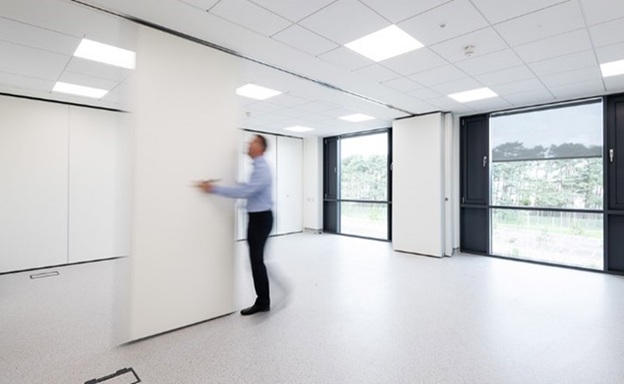
Knocking down walls to create open-concept living spaces often looks clean and modern in digital renders, but the lack of defined zones creates real-world problems. Cooking smells spread, noise travels across the entire flat, and storage walls disappear. Families later realise that having no separation between kitchen, dining, and living areas makes it harder to manage clutter and daily mess. The visual openness, particularly in smaller flats, does not translate into functional flexibility. Remember, without proper zoning, even basic activities like hosting guests, managing laundry, or working from home start to overlap awkwardly. An interior design company will usually flag these trade-offs early, but many homeowners override the advice in favour of a more “open” look, then regret losing practical boundaries once the space is occupied.
2. Built-In Carpentry That Overfits One Lifestyle
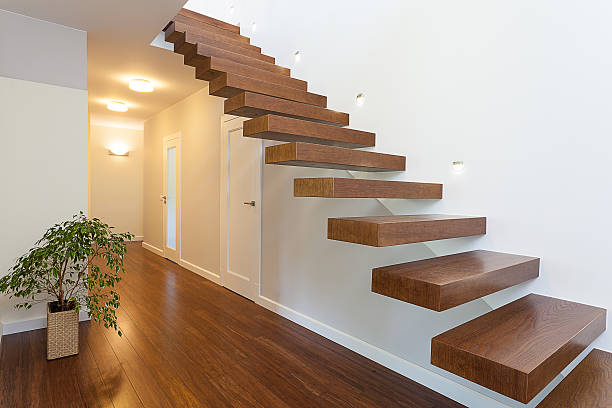
Full-height carpentry and custom storage look efficient, but over-customisation becomes a long-term constraint. Fixed wardrobes, built-in desks, and permanent display units lock the home into one usage pattern. Once household needs change, such as adding a child, changing work arrangements, or reconfiguring rooms, the space no longer adapts. Overfitted carpentry also limits future resale flexibility because new owners may not use the space the same way. After all, in HDB interior design, where room sizes are already tight, permanent fittings reduce future layout options even further. What feels like smart space optimisation on day one can feel like a layout trap by month six.
3. Trend-Driven Materials That Age Badly
Textured laminates, matte finishes, fluted panels, and coloured surfaces look striking in showrooms and renders. However, in daily use, they show stains, scratches, fingerprints, and wear much faster than expected. Cleaning effort increases, and minor damage becomes visible across large surfaces. Trend-led materials also date quickly, making the home feel visually tired within a few years. Many homeowners regret prioritising aesthetic novelty over durability and maintenance requirements. A practical interior design company in Singapore will usually recommend balancing trend elements with neutral, durable base materials, but this advice is often ignored during the excitement phase of design selection.
4. Insufficient Storage Planning
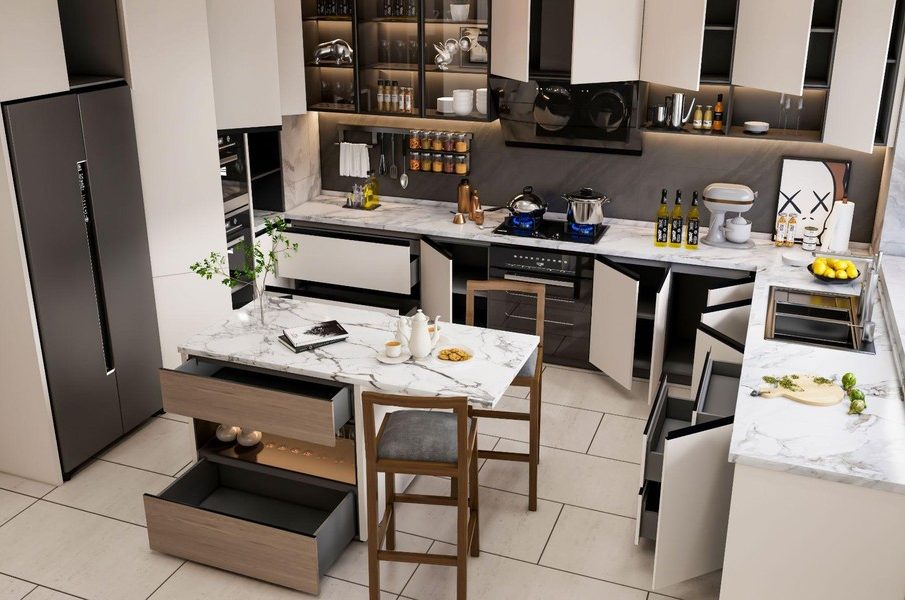
Storage is often underestimated because empty flats look spacious. Once people move in, daily items accumulate fast. Remember, without proper closed storage, clutter spills into living areas, making the flat feel smaller than it is. Regret sets in when homeowners realise that feature walls replaced practical storage walls, or that open shelving requires constant tidying. That said, in HDB interior design, where built-in storage must work with fixed layouts, poor early planning leads to permanent storage gaps that are expensive to fix later.
5. Poor Lighting Planning That Creates Dark Zones
Lighting plans that rely on general ceiling lights create uneven illumination. Corners remain dark, task areas are poorly lit, and the home feels flat at night. Many homeowners regret not planning layered lighting for work zones, cooking areas, and seating spaces. Retrofitting lighting after renovation is disruptive and costly because wiring and ceilings are already sealed. Lighting mistakes are common because they feel technical and boring during design discussions, yet they affect daily comfort more than most visual features.
Conclusion
Renovation regret usually comes from prioritising visual impact over daily usability. Small design decisions in HDB interior design scale into long-term operational problems because layouts are compact and fixed. An experienced interior design company in Singapore focuses less on how a space looks on handover day and more on how it performs six months later. The best renovations are not the most dramatic ones, but the ones that reduce friction in daily living.
Contact Jialux Interior and let us plan your layout, storage, materials, and lighting around how you actually live.


Leave a reply
You must be logged in to post a comment.