7 Mistakes Companies Make When Shopping Office Furniture From Retailers

Key Takeaways
- Accurate floor planning prevents blocked walkways, cramped workstations, and costly furniture replacements after installation.
- Ergonomic seating and commercial-grade materials protect employee health and reduce long-term replacement expenses.
- Reliable office furniture retailers provide installation support and future scalability, not just discounted pricing.
Introduction
When companies shop for office furniture in Singapore, they influence how teams work every day. Desk placement affects collaboration. Chair quality affects posture and concentration. Storage decisions influence how quickly employees retrieve documents or equipment. Many businesses focus on price tags or showroom appeal and overlook how furniture performs in a live office setting. Office furniture retailers design displays to highlight style, but real offices operate under heavier demands. The following seven mistakes occur repeatedly when companies buy without grounding decisions in daily operational realities.
1. Skipping a Detailed Floor Plan
A desk may look proportionate in a catalogue, but overwhelm a compact office. Companies sometimes measure only wall length and ignore circulation space. Staff then struggle to move between departments once chairs extend backwards. Narrow walkways interrupt workflow and create safety concerns.
Before companies shop for office furniture, they should map:
- Clearance space behind each chair
- Shared printer and storage zones
- Emergency exit paths
- Meeting room access points
Accurate scaling prevents congestion and reduces the need for rearrangement after delivery.
2. Choosing Style Over Workstation Ergonomics
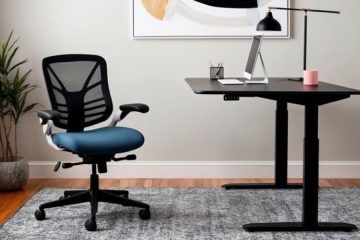
Minimalist chairs and slim-profile desks attract attention during selection. However, employees sit for extended hours and perform repetitive tasks. A chair without lumbar adjustment increases strain across the lower back. Desks without adjustable height force some employees to raise their shoulders or lean forward. These posture issues surface within weeks of installation.
Reputable office furniture retailers provide adjustable seating, supportive cushioning, and tested desk stability. Prioritising ergonomics protects productivity and reduces long-term health complaints.
3. Ignoring Cable and Power Requirements
Modern workstations support multiple monitors, charging ports, routers, and shared equipment. Companies that shop for office furniture without examining cable access face exposed wires across desks and floors. Loose wiring complicates cleaning routines and creates hazards.
Desks designed for commercial use typically include:
- Built-in cable trays
- Grommet holes for organised routing
- Concealed power modules
- Under-desk channels
Planning these elements before purchase prevents costly modifications later.
4. Underestimating Assembly and Installation
Retail prices rarely reflect the labour required to assemble modular systems. Some office furniture retailers deliver flat-packed units that demand specialised tools and technical alignment. Large meeting tables and partition systems require trained installers to maintain structural stability.
When internal staff attempt assembly, companies risk:
- Misaligned joints
- Reduced load capacity
- Wasted employee hours
Confirming installation support and delivery logistics protects both budget and safety standards.
5. Overlooking Scalability
Businesses grow, restructure, or introduce hybrid work models. Companies that purchase discontinued lines struggle to match new additions later. Mismatched desk heights and finishes disrupt visual consistency and functional planning.
System-based product ranges allow incremental expansion without replacing entire departments. When companies shop for office furniture with future hiring plans in mind, they reduce redesign costs and maintain a cohesive environment.
6. Overlooking Material Durability
Office furniture in Singapore experiences heavy weekly usage. Staff shift chairs frequently, place warm beverages on surfaces, and clean desks with chemical agents. Thin laminates chip near edges, and lightweight frames loosen at joints. Replacement cycles shorten when durability is overlooked.
Commercial-grade materials such as reinforced steel frames and high-pressure laminate surfaces withstand sustained use. Verifying specifications before purchase prevents early deterioration and unplanned expenses.
7. Prioritising Discounts Over Long-Term Support
Promotional campaigns attract attention during procurement cycles. However, furniture performance extends beyond purchase day. Chairs require replacement castors. Drawer runners may loosen. Offices relocate over time.
Reliable office furniture retailers offer:
- Spare part availability
- Repair support
- Relocation services
- Ongoing consultation
Companies that evaluate service capability alongside pricing protect operational continuity for years.
Conclusion
Furniture decisions shape daily workflow, safety, and employee well-being. Measurement errors create congestion. Poor ergonomics reduces comfort. Weak materials shorten lifespan. Companies that shop office furniture with a long-term perspective align layout planning, durability standards, and service support with business goals. Thoughtful evaluation ensures that each purchase strengthens productivity instead of limiting it.
To schedule a workspace planning consultation with knowledgeable office furniture merchants in Singapore, get in touch with Ergoworks.



Leave a reply
You must be logged in to post a comment.