PU Foam vs Traditional Insulation: Which Is Better for Your Home?
Good insulation keeps your home comfortable, energy-efficient, and cost-effective.
Homeowners often choose between modern polyurethane (PU) foam and traditional options like fiberglass or cellulose.
This guide compares them to help you make tt sealing.
The right insulation reduces energy bills, prevents drafts, and protects against moisture and noise.
Both PU foam and traditional insulation have unique advantages depending on your home and budget.
Overview of Common Home Insulation Types
There are several common insulation types for homes:
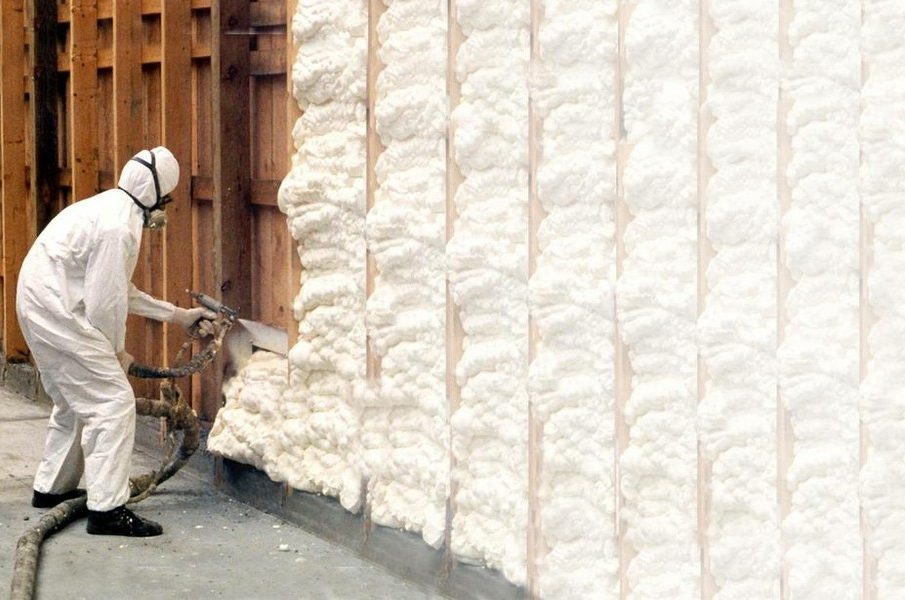
- Polyurethane (PU) Foam: Spray foam or rigid foam boards that expand to fill gaps.
- Fiberglass Batts: Flexible sheets commonly used in walls and attics, cost-effective for DIY.
- Cellulose: Blown-in insulation made from recycled paper, eco-friendly and dense.
- Mineral Wool / Rock Wool: Dense, fire-resistant, and durable for walls and ceilings.
Each type differs in installation method, R-value, durability, and long-term performance.
Understanding these differences helps homeowners choose the insulation that best fits their home structure and climate.
Thermal Performance Comparison
Thermal resistance, or R-value, measures how well insulation resists heat transfer.
Higher R-values mean better energy efficiency and comfort.
PU foam has a higher R-value per inch, reducing the amount needed to achieve the same insulation.
Fiberglass or cellulose often require thicker layers for similar performance.
R-Value per Inch Comparison
|
Insulation Type |
R-Value per Inch |
|---|---|
|
6-7 |
|
|
Rigid PU Foam Board |
5-6 |
|
Fiberglass Batts |
2.9-3.8 |
|
Cellulose |
3.2-3.8 |
|
Mineral Wool |
3.0-3.3 |
One of PU foam’s main advantages is its expanding property, which seals cracks, gaps, and cavities.
This prevents drafts and heat loss, reducing energy bills.
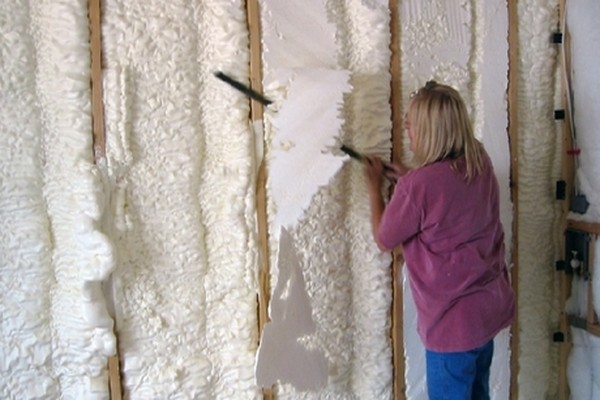
Closed-cell PU foam also acts as a moisture barrier, protecting walls, basements, and attics from mold and rot.
Open-cell PU foam provides some air sealing but less moisture resistance.
Traditional insulation materials often rely on vapor barriers to control moisture, and gaps between batts can reduce effectiveness.
Proper installation is critical for fiberglass, cellulose, and mineral wool to ensure performance.
Soundproofing Benefits
While PU foam reduces some noise due to its density, it is not as effective for soundproofing as mineral wool or fiberglass.
Rooms like bedrooms, home offices, or media rooms may require additional acoustic materials.
Combining PU foam with acoustic panels or mineral wool can improve both thermal and sound insulation, offering dual benefits.
Cost Comparison
PU foam has a higher upfront cost but can save money over time due to energy efficiency.
Traditional insulation is cheaper initially and easier for DIY installation.
Approximate Cost and Lifespan
|
Insulation Type |
Cost per Sq. Ft. |
Lifespan |
Energy Efficiency |
|---|---|---|---|
|
PU Spray Foam |
$1.50-$2.50 |
20-40 yrs |
High |
|
Fiberglass Batts |
$0.40-$1.00 |
15-25 yrs |
Medium |
|
Cellulose |
$0.60-$1.20 |
15-30 yrs |
Medium |
|
Mineral Wool |
$0.90-$1.50 |
30+ yrs |
Medium |
Environmental and Safety Considerations
- PU foam: modern products are low-VOC, but chemical precautions are needed during installation.
- Fiberglass: safe post-installation, but fibers can irritate skin and lungs.
- Cellulose: eco-friendly and mostly recycled.
- Mineral wool: naturally fire-resistant and safe to handle.
Homeowners should consider ventilation during installation and follow safety guidelines.
Installation and Maintenance
PU foam: professional installation recommended for even coverage.
Once cured, it rarely needs replacement.
Fiberglass and cellulose: DIY-friendly but may compress or settle over time.
Periodic inspection may be needed to maintain performance.
PU foam fills gaps and irregular cavities better than traditional insulation.
This reduces energy loss and improves indoor comfort.
Energy Savings and Long-Term Benefits
PU foam’s high R-value and air-sealing properties significantly reduce heating and cooling costs.
Homeowners can often see 10-30% savings on energy bills over time.
Traditional insulation may require additional layers or air sealing to achieve similar savings.
PU foam also improves indoor air quality by reducing drafts and moisture intrusion.
Performance and ROI Comparison
|
Feature |
PU Foam |
Traditional Insulation |
|---|---|---|
|
R-Value per Inch |
High (6-7) |
Medium (2.9-3.8) |
|
Air Sealing |
Excellent |
Moderate |
|
Moisture Resistance |
Closed-cell: Excellent |
Needs vapor barrier |
|
Installation |
Professional recommended |
DIY-friendly |
|
Lifespan |
20-40 years |
15-30 years |
|
Energy Savings |
High |
Medium |
Which Is Better for Your Home?
PU foam excels in energy efficiency, air sealing, and long-term performance.
Traditional insulation is suitable for budget-conscious projects or simple DIY installation.
- PU foam: best for airtight homes, irregular spaces, or long-term savings.
- Fiberglass/cellulose: good for standard walls, ceilings, or temporary installations.
Best Practices for Choosing Insulation
- Assess your climate and energy needs.
- Consider the home’s structure (attic, walls, basements).
- Factor in installation budget and professional availability.
- Evaluate long-term ROI vs upfront cost.
Future Trends in Home Insulation
- Increasing popularity of bio-based PU foams for sustainability.
- Rising use of smart insulation monitoring to track thermal performance.
- PU foam adoption is growing in energy-efficient, airtight homes, especially in colder climates.