
Kansas City Pest Control for Yard Ticks: Why the Lone Star and American Dog Tick Problem Is Getting Worse
The tick complaint most Kansas City homeowners bring to a pest control professional has changed over the past decade. Twenty years ago, ticks were a problem for hunters and hikers who spent time in the Ozarks. Now they are a problem for homeowners in Liberty, Lee’s Summit, Overland Park, and Olathe who pick them off their legs after spending an hour mowing the yard. The shift reflects real changes in tick population density, active season length, and species distribution across Missouri and Kansas. Kansas City pest control providers who handle yard tick work, including ZipZap Termite & Pest Control in Lawson, see the volume climbing year over year, and the reasons behind it shape both prevention and treatment decisions.
Which Ticks Are Actually Present in Kansas City Yards
Three species account for the large majority of tick encounters across the metro. Correct identification matters because the diseases they carry are different.
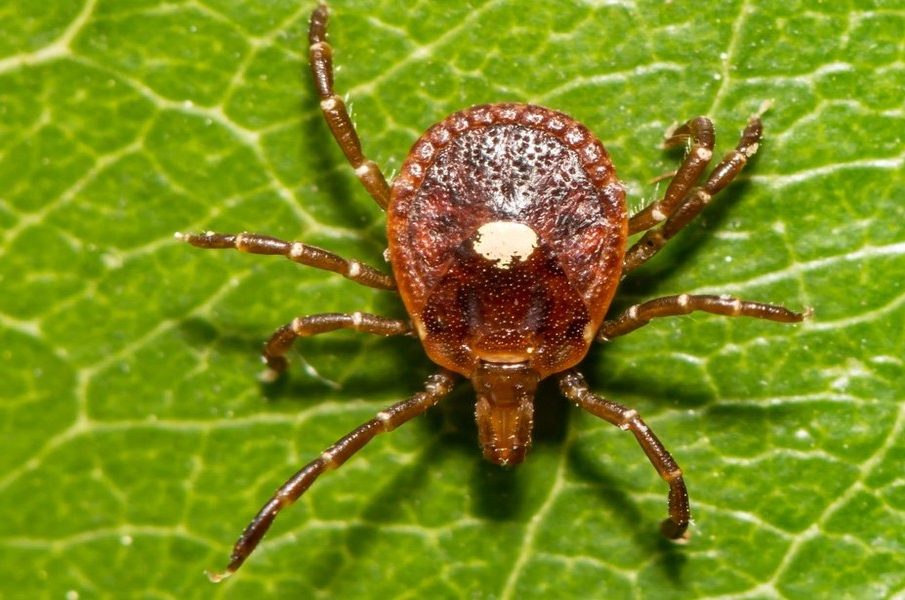
The lone star tick (Amblyomma americanum) is now the most commonly encountered species in many parts of Missouri and eastern Kansas. Adult females have a distinctive single white spot on the center of the back (the feature that gives the species its name), while males lack the spot but have small white markings around the margin of the body. Lone star ticks are aggressive biters, actively questing on vegetation rather than passively waiting for a host, and they are the primary vector for ehrlichiosis, tularemia, and alpha-gal syndrome.
The American dog tick (Dermacentor variabilis) is a larger tick with ornate white or cream markings on the back. It is the traditional “wood tick” of Midwestern folklore, and adults can reach 3/16 inch before feeding and significantly larger engorged. American dog ticks transmit Rocky Mountain spotted fever and tularemia, and they are active from spring through early fall.
The blacklegged tick (Ixodes scapularis), the primary vector for Lyme disease, has historically been less common in Missouri than in the northeast and upper Midwest, but Missouri Department of Health and Senior Services surveillance data shows expanding populations in several regions, including the eastern counties and parts of the Kansas City metro. The species is smaller and darker than the others, and juvenile nymphs are especially easy to miss at roughly the size of a poppy seed.
Alpha-Gal Syndrome and the Reason Lone Star Ticks Deserve Attention
One of the reasons lone star ticks have become a bigger deal than they used to be is alpha-gal syndrome, a delayed allergic reaction to red meat triggered by antibodies that develop after a lone star tick bite. Symptoms range from hives to anaphylaxis, usually appearing three to six hours after eating beef, pork, or other mammalian meat.
Missouri patient data and research from the University of Virginia (where the syndrome was first characterized by Dr. Thomas Platts-Mills) show that Missouri and surrounding states have some of the highest alpha-gal rates in the country. The CDC has noted a steep rise in diagnosed cases nationwide over the past decade, and Missouri is consistently near the top of state-level surveillance data.
For a homeowner, the practical implication is that a lone star tick bite is not just a short-term disease risk. It can produce a chronic, food-affecting condition that persists for years.
Why Kansas City Tick Pressure Is Getting Worse
Several trends overlap.
Warmer winters allow more ticks to survive to spring. Missouri’s average winter temperatures have risen measurably over recent decades, and mild winters reduce the cold-driven mortality that historically controlled populations.
Longer active seasons extend the exposure window. Tick activity that once ended reliably in September now often continues into November, and spring activity starts earlier.
Deer populations have grown. Whitetail deer are the primary hosts for adult lone star ticks and blacklegged ticks, and the expanding suburban deer populations across Clay, Platte, Jackson, and Johnson counties directly support larger tick populations.
Habitat transitions in suburban development. The preferred tick habitat (woodland edge, tall grass, leaf litter) is exactly what new developments preserve for privacy and aesthetics. The same landscaping choices that make a property attractive also concentrate tick populations near where people spend time.
What Actually Reduces Tick Populations in a Kansas City Yard
CDC-endorsed yard modifications work. They are not dramatic, but they are evidence-based and substantially reduce tick encounters on a typical residential property.
A three-foot barrier of wood chips or gravel between the lawn and any adjacent woodland or brush edge dries out the transition zone and prevents ticks from migrating easily into the yard. Peer-reviewed research has consistently found measurable reductions in tick density with this single modification.
Keeping grass mowed to about three inches and removing leaf litter from yard edges eliminates the humid microhabitat ticks require. Stacked firewood, brush piles, and old debris should be moved away from frequently used areas.
Exclusion of deer from the yard, through fencing where feasible or through repellent programs such as DeerPro winter applications for ornamental plantings, reduces the tick-host reservoir directly. Rodent exclusion matters too, because juvenile ticks feed heavily on white-footed mice, which are abundant in suburban yards across the metro.
Professional yard treatments, typically a residual acaricide applied to the woodland edge and the lower yard perimeter in April and again in late summer, provide the most direct suppression. Timing matters. Treatments applied before adult activity peaks (usually mid-May for lone star) produce significantly better results than treatments applied after populations are already established.
What Does Not Work
A few common consumer interventions produce little real reduction. Broad-spectrum yard sprays applied without regard to tick habitat miss the edge zones where populations actually live. Tick tubes (cotton treated with permethrin, intended for mice to use as nesting material) have shown inconsistent results in independent studies and work best in combination with other measures rather than alone. Bug zappers and ultrasonic devices do nothing for ticks.
Personal protection remains essential regardless of yard treatment. EPA-registered repellents containing DEET, picaridin, or oil of lemon eucalyptus applied to exposed skin, and permethrin applied to clothing (where it binds to fabric for multiple washes), are the most reliable individual defenses.
When Kansas City Pest Control Yard Treatment Makes Sense
Properties backing up to wooded areas, creek corridors, or significant undeveloped land see higher tick pressure than open suburban yards. Homes with dogs that spend time outdoors, households with children who play in yard-edge zones, and properties already producing multiple tick encounters per season generally benefit from professional yard treatment.
Kansas City pest control providers with tick program experience, including ZipZap Termite & Pest Control, can conduct a property assessment that identifies the specific edge zones where treatment matters most, apply the product at the right timing windows, and incorporate the habitat modifications that improve long-term results.
The Short Version
Kansas City tick pressure is rising because winters are milder, seasons are longer, deer populations are larger, and suburban development preserves the exact habitat ticks need. Lone star ticks in particular carry implications beyond short-term disease risk through alpha-gal syndrome. For homeowners whose yards see regular tick activity, a combination of CDC-recommended landscape modifications and targeted professional treatment from a Kansas City pest control provider such as ZipZap Termite & Pest Control produces more durable reductions than either approach alone.