Dos and Don’ts: What to Look for in an Office Chair with Back Support
Key Takeaways
- Comfort grows from adjustability, not appearances or trends.
- Price alone says little about quality or usability.
- Cheap finds can work well when construction and materials are assessed carefully.
- Small ergonomic details quietly influence daily focus and physical ease.
Introduction
Setting up a workspace feels simple until the aches start appearing. Many people realise too late that seating choices quietly shape posture, concentration, and energy levels. An office chair with back support becomes a central piece of daily life rather than just another item on a shopping list. There are a few practical dos and don’ts that can steer decisions towards comfort that actually lasts.
Do Prioritise Adjustability, Don’t Chase Aesthetic Trends
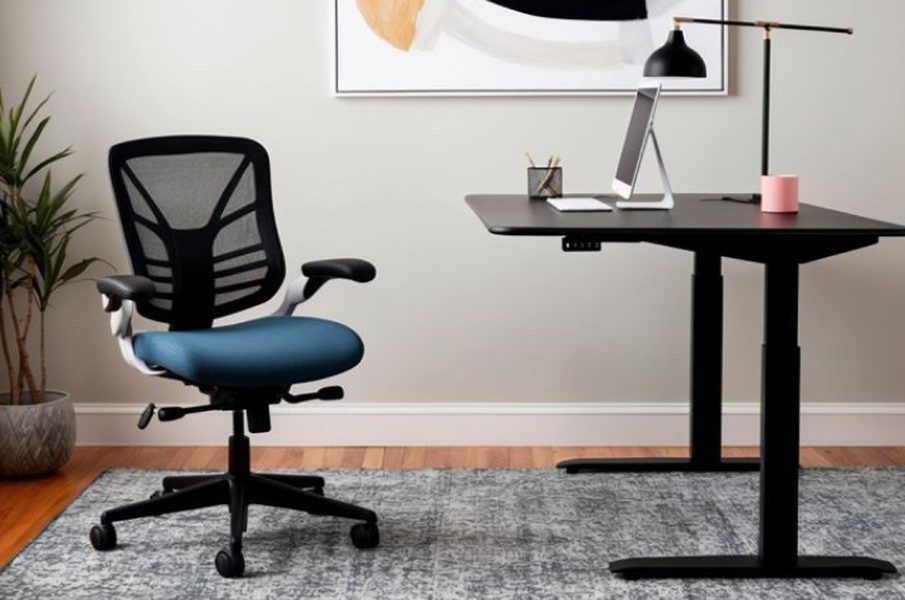
It is tempting to pick a chair that looks good on screen or blends nicely with a desk, yet appearance rarely reflects how a chair behaves after six hours of use. A thoughtful buyer starts by checking adjustability features such as seat height, backrest tilt, lumbar positioning, and armrest movement, because bodies differ in shape and working habits. When an office chair with back support allows subtle adjustments, it becomes easier to fine-tune posture without constant fidgeting.
On the other hand, chairs designed mainly around style can hide rigid frames and limited movement that feel acceptable at first, then increasingly uncomfortable as weeks pass. Clean lines and fashionable colours are pleasant bonuses, yet they should follow function rather than lead it. A practical approach focuses on how the chair responds to your body, not how it photographs.
Over time, adjustability saves effort. Instead of shifting your sitting position to suit the chair, the chair adapts to you, which quietly improves daily comfort.
Do Test Support Zones, Don’t Assume One Cushion Fits All
Back support means different things to different people. Some need firm lumbar pressure, others prefer a gentler curve, and many fall somewhere between. Testing how the backrest contacts your spine offers more insight than reading specifications. Sit back fully, lean slightly, and notice if your lower back feels cradled rather than pushed or ignored.
A well-designed office chair with back support distributes pressure along the spine instead of concentrating it in one spot. When this balance feels right, shoulders relax, hips settle evenly, and posture feels natural rather than forced.
Avoid assuming thicker padding equals better comfort. Excessively soft cushions compress quickly and may remove structural support altogether. Likewise, extremely hard surfaces can create pressure points. The goal sits between these extremes, where the chair provides structure with just enough give.
Do Explore Cheap Furniture Carefully, Don’t Treat Low Price as Low Value
Budget-friendly options attract attention for good reason. Buying furniture for cheap prices can meet practical needs, especially for home offices, study corners, or secondary workspaces. The key lies in examining build quality rather than price tags alone.
Check frame materials, fastening points, wheel stability, and stitching. Even among cheap furniture, some models rely on solid construction while others cut corners in hidden areas. A quick inspection reveals a lot about durability.
It also helps to read product descriptions closely. Look for mentions of steel bases, reinforced plastic, or tested weight limits. These small details suggest the chair was designed with everyday use in mind.
The mistake many shoppers make is equating affordability with disposability. Cheap furniture does not automatically mean short-lived, yet it does require a more observant eye.
Do Think About Daily Habits, Don’t Buy for an Idealised Routine
Many people imagine sitting upright for hours, taking regular breaks, and maintaining perfect posture. Reality tends to look messier. Some lean forward when typing, others recline during calls, and many shift positions throughout the day.
An office chair with back support should accommodate these natural movements rather than punish them. Chairs with responsive recline and supportive curves adapt better to changing postures.
Similarly, cheap furniture becomes more practical when matched to real behaviour. If you tend to move frequently, a chair with smooth casters and swivel function improves usability. If your space is compact, slimmer profiles and lighter frames make repositioning easier. Buying for how you actually work, rather than how you wish you worked, reduces regret.
Do Balance Cost, Comfort, and Longevity, Don’t Focus on a Single Factor
Some shoppers fixate on price, others on comfort, and some on durability. A better strategy treats these elements as interconnected. An office chair with back support that feels comfortable yet falls apart within a year creates frustration. A sturdy chair that feels awkward discourages proper use.
Cheap furniture fits into this balance when it offers acceptable comfort and reasonable construction for the price paid. The goal is not perfection, but sensible alignment between cost and function.
Think of your purchase as an everyday tool rather than a decorative item. When that mindset guides decisions, trade-offs become clearer and easier to manage.
Conclusion
Smart chair selection rarely comes from impulse buying. It grows from noticing how your body responds, checking construction details, and being honest about how you work each day. An office chair with back support serves its purpose when it quietly disappears into the background, allowing focus to stay on tasks rather than discomfort. With careful evaluation, even cheap furniture can play a reliable role in building a workspace that feels steady and usable.
Contact TheFurniture to explore seating options that match your workspace needs and budget.