Expert Woodbury Plumbers: Your Trusted Solution for Plumbing Needs
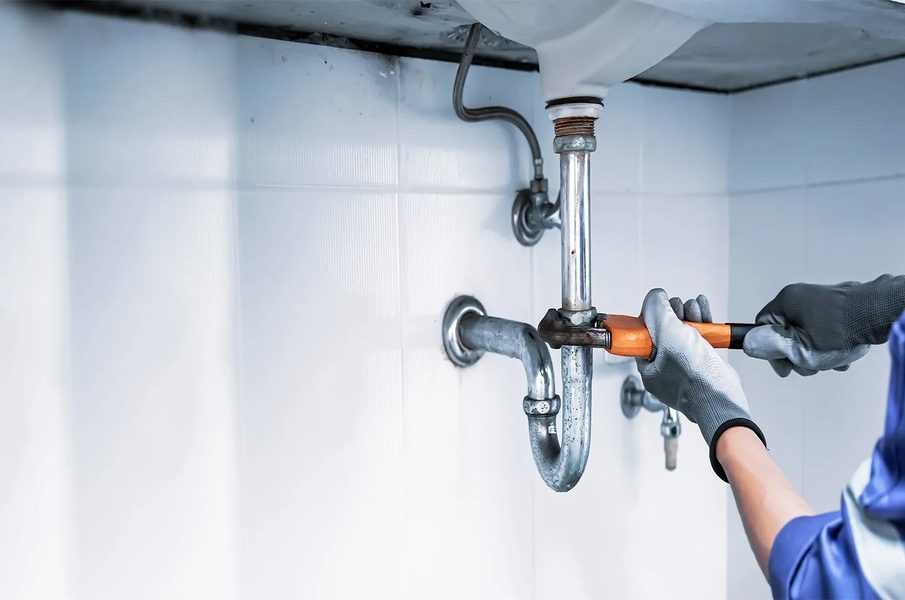
Unraveling the Plumbing Mystique: A Deep Dive into Woodbury’s Expertise
The Art and Science of Plumbing: Why Expertise Matters
Plumbing is a unique blend of art and science, a profession that requires both practical skills and theoretical knowledge. Woodbury plumbers understand this duality; they possess the technical expertise to troubleshoot complex issues while also appreciating the aesthetics of piping and fixtures. This equilibrium is particularly essential when addressing plumbing needs in historic homes versus newly constructed ones. The systems in older homes may be more intricate due to their age, requiring seasoned professionals who can navigate these potential pitfalls seamlessly. Modern-day plumbing is not merely about fixing leaks or unclogging drains; it encompasses an understanding of fluid dynamics, materials science, and sustainability practices. Woodbury plumbers are trained to diagnose issues by analyzing water pressure, flow rates, and the chemical properties of various materials used in pipes and fittings, thus ensuring a long-term resolution rather than a quick fix.
Plumbing Myths Debunked: What Every Homeowner Should Know
Myths surrounding plumbing abound, and it is crucial for homeowners to discern the truth behind them to avoid costly mistakes. A common misconception is that all plumbing issues can be fixed with a simple DIY solution, often exacerbated by endless online tutorials. While some minor repairs may seem manageable, many plumbing issues particularly those involving the mainline, sewer systems, or fixtures require professional attention to avoid severe repercussions. Another prevalent myth is that all plumbing installations and repairs are the same; in reality, plumbing is highly localized. Woodbury’s unique climate, soil conditions, and municipal regulations distinctly influence plumbing practices and solutions. Additionally, homeowners may incorrectly believe that ignoring minor leaks won’t lead to bigger problems. However, even small leaks can escalate into significant water damage, mold growth, and costly repairs if left unmanaged.
Emergency Plumbing: When Time is of the Essence
Signs You Need an Emergency Plumber: Don’t Wait Until It’s Too Late
Recognizing the signs that you need an emergency plumber is vital for timely interventions that prevent catastrophic damage to your home. Homeowners should be alert to sudden changes in water pressure, which can indicate blockages or leaks in the plumbing system. Additionally, bubbling toilets, gurgling drains, or the unpleasant odor of sewage can signify issues that require immediate professional attention. Persistent moisture in areas like basements or under sinks may not only point to leaks but can lead to larger structural issues and mold problems if not addressed quickly. Another critical warning sign is the presence of water pooling in unusual locations, suggesting possible pipe bursts or severe leaks behind walls. Ignoring these signs can lead to extensive damage, significantly escalating repair costs and affecting the health and safety of occupants.
What to Expect During an Emergency Plumbing Call in Woodbury
When you contact an emergency plumber in Woodbury, you can expect a swift and efficient response. Professional plumbers typically arrive equipped with diagnostic tools and a robust understanding of pre-existing conditions in local plumbing infrastructure. On arrival, they will assess the situation by visually inspecting the affected area and employing technology such as cameras to view hidden plumbing. Expect a thorough explanation of the issue at hand, along with options for immediate and long-term reparative solutions. Plumbers will communicate clearly regarding the problem’s scope, outlining repair timelines, cost estimates, and potential complications. Proficient emergency plumbers pride themselves on their ability to leave a workspace neat and orderly post-repair, ensuring that your return to normalcy is seamless.
Preventive Maintenance: Keeping Your Plumbing in Top Shape
Simple Tips for DIY Maintenance: Prolonging Lifespan and Reducing Costs
Preventive maintenance is crucial in extending the life of your plumbing system and significantly reducing the likelihood of emergency repairs. Homeowners can adopt straightforward DIY maintenance practices to safeguard their plumbing. Regularly checking for visible leaks around fixtures, beneath sinks, and in basements is a good starting point. Periodic flushing of water heaters can remove sediment build-up, leading to improved efficiency. It’s also wise to routinely inspect and clean faucets and showerheads for mineral build-up that can impede water flow. Homeowners should also familiarize themselves with their shut-off valves, ensuring they are functioning correctly and easy to access in emergencies. Additionally, being aware of seasonal changes and how they affect plumbing is beneficial; for example, preparing pipes for freezing temperatures in winter can prevent costly burst pipes.
Understanding Your Plumbing System: The Key to Effective Maintenance
A comprehensive understanding of your plumbing system is paramount for effective maintenance. Homeowners should familiarize themselves with the layout of their plumbing, including the location of pipes, valves, and your home’s sewer line. Understanding how your plumbing system interacts with appliances like dishwashers and washing machines can help prevent cross-contamination issues, which require specialized knowledge to rectify. Regularly reviewing your home’s plumbing blueprints if available can also assist in identifying potential problem areas, especially older pipes made from materials like lead or polybutylene that may need replacement. Employing a plumbing inspection at least once a year can reveal hidden issues before they become catastrophic. Invest in your plumbing knowledge; the more you understand how your system operates, the more you can prevent costly breakdowns.
Innovative Solutions: Embracing Modern Plumbing Technologies
Smart Plumbing: How Technology is Transforming the Industry
The advent of smart home technology has begun to permeate the plumbing industry, bringing transformative solutions to residential and commercial plumbing. Smart plumbing systems integrate devices such as leak detectors, smart faucets, and intelligent toilets that can report on water usage patterns and diagnose issues proactively. For example, a smart water meter can track and relay information about water consumption, alerting homeowners to unusual spikes in usage that may suggest hidden leaks. Advanced water filtration systems can be monitored remotely, ensuring the quality of drinking water remains consistent without manual intervention. These technologies not only improve efficiency but also provide peace of mind, allowing homeowners to monitor their plumbing systems from mobile devices, ensuring prompt action when necessary. Many tech-driven solutions also align with eco-sustainability initiatives, thereby enabling users to reduce their water wastage significantly.
Eco-Friendly Plumbing: Sustainable Practices for the Conscious Homeowner
With increasing awareness of environmental issues, eco-friendly plumbing solutions have gained prominence in residential and commercial sectors alike. Sustainable plumbing practices encompass the installation of low-flow fixtures, rainwater harvesting systems, and the use of recycled materials for repairs and installations. For instance, low-flow toilets and showerheads can drastically reduce water consumption without diminishing performance. Additionally, modern homeowners are turning towards greywater systems, where used water from sinks and showers is repurposed for irrigation or flushing toilets, significantly curbing water wastage. Collaborating with expert plumbers who are knowledgeable about sustainable practices is essential for those seeking to implement eco-friendly solutions. Not only do these practices benefit the environment, but they can also lead to significant cost savings on water bills while contributing to the overall sustainability of the community.

Leave a reply
You must be logged in to post a comment.