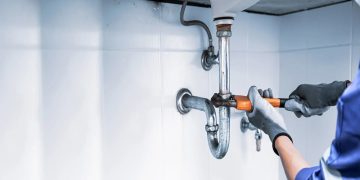
Preventive Maintenance vs. Reactive Commercial Pool Repairs
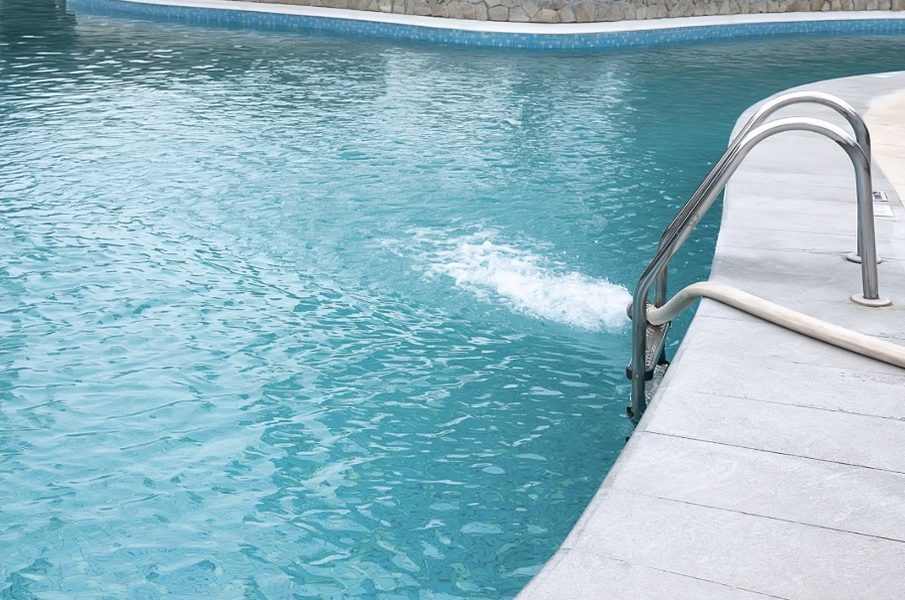
Commercial pools need regular care to stay safe, clean, and fully operational. Pool systems include pumps, heaters, filters, and electrical components that all work together. When one part fails, it can affect the entire system. Property owners often choose between preventive maintenance and reactive repairs. Understanding the difference can help reduce costs and avoid downtime.
What Is Preventive Maintenance?
Preventive maintenance means taking care of pool equipment before problems happen. This includes regular inspections, cleaning, testing, and small adjustments. Technicians check pumps, motors, wiring, and controls to make sure everything is working properly.
The goal of preventive maintenance is to catch issues early. For example, a worn part can be replaced before it breaks. This helps avoid sudden failures and expensive emergency repairs. It also keeps the pool running smoothly and safely for guests and customers.
Preventive maintenance can extend the life of pool equipment. It also helps improve energy efficiency and reduces the chance of unexpected shutdowns.
What Is Reactive Repair?
Reactive repair happens after a problem occurs. This means fixing equipment only when it breaks or stops working. For example, if a pump fails or a heater stops heating, a technician is called to repair or replace the damaged part.
While reactive repairs solve immediate issues, they can sometimes be more costly. Emergency service calls, downtime, and damage to other parts of the system can add up. In some cases, waiting too long to fix a problem can lead to larger system failures.
Reactive repairs are sometimes unavoidable, especially for sudden breakdowns. However, relying only on this approach can lead to more stress and higher long-term costs.
Comparing the Two Approaches
Preventive maintenance focuses on planning and prevention, while reactive repair focuses on fixing problems after they happen. Preventive care is usually more cost-effective over time and helps reduce unexpected interruptions. Reactive repair, on the other hand, addresses urgent issues but may involve higher costs and delays.
A balanced approach often works best. Regular maintenance combined with quick response to issues can keep commercial pool systems in good condition year-round.
At Perfect Catch Electric, we understand how important reliable pool systems are for commercial properties. We provide preventive maintenance services to help identify issues early and reduce the need for emergency repairs. We also handle reactive repairs when unexpected problems arise. With our experienced team, we focus on keeping pool equipment safe, efficient, and fully operational so we can help our clients avoid downtime and maintain smooth daily operations.
This post was written by a professional at Perfect Catch Electric. Perfect Catch Electric is a family-owned pool electrical specialist serving Largo and the greater Tampa Bay area. With over 30 years of experience, we focus exclusively on electrical systems for pools and spas, including pumps, heaters, automation, lighting, salt systems, and bonding and grounding. Our work is always code-compliant, safe, and built to last. Licensed and insured, we pride ourselves on honest service, clear communication, and reliable solutions that keep pools operating efficiently and safely. When it comes to pool electrical work, pool repair Clearwater, experience matters-and Perfect Catch Electric delivers it every time.



Leave a reply
You must be logged in to post a comment.