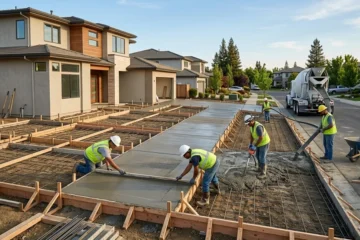
What Property Owners Should Know Before Addressing Foundation Settlement Issues
Foundation settlement develops gradually when the soil beneath a structure loses its ability to support consistent weight distribution. This can happen due to changes in moisture levels, poor compaction during construction, or long-term erosion caused by water flow. As the soil shifts, certain areas of the foundation begin to sink more than others, creating uneven support across the structure. Over time, this imbalance leads to visible structural changes that can affect both interior and exterior elements of a property.
Early Indicators That Signal Structural Movement
Before major damage occurs, properties often display subtle warning signs that indicate foundation movement. These may include small cracks forming along walls, slight gaps between ceilings and wall joints, or floors that feel uneven underfoot. Doors and windows may also begin to stick or misalign due to frame distortion caused by shifting support beneath the building. While these issues may seem minor at first, they often point to deeper structural changes that continue to progress if left unaddressed.
Environmental and Drainage Factors That Contribute
Water management around a property plays a significant role in foundation stability. Poor drainage systems, clogged gutters, or excessive water pooling near the structure can soften soil and reduce its load-bearing capacity. During dry seasons, soil shrinkage can further destabilize the foundation by creating voids beneath the structure. These alternating conditions of expansion and contraction place continuous stress on the building, increasing the likelihood of uneven settlement over time.
Structural Evaluation and Professional Assessment
When settlement issues become noticeable, a detailed assessment is necessary to determine the severity of the movement and the underlying causes. Soil composition, moisture conditions, and load distribution patterns are carefully reviewed to understand how the structure has been affected. In this stage, the involvement of Foundation Repair Contractor is essential to interpret structural data and identify the most suitable stabilization approach based on site-specific conditions.
Repair Planning and Stabilization Techniques
Addressing foundation settlement requires targeted repair methods designed to restore balance and structural alignment. These may include lifting sections of the foundation, reinforce weakened support areas, or improving soil stability beneath the structure. Precision during execution is important, as improper adjustments can lead to further imbalance or recurring issues. The goal of these interventions is to return the structure to a stable condition while minimizing future movement risks.
Long-Term Monitoring and Property Protection
After repairs are completed, ongoing monitoring helps ensure that the foundation remains stable under changing environmental conditions. Small shifts in soil or moisture levels can still impact structural performance over time. In complex cases, Foundation Repair Contractor oversight may be used to evaluate post-repair stability and confirm that corrective measures continue to perform effectively. Regular observation of structural elements helps property owners maintain long-term safety and protect the overall value of their investment.