Which Window Style Is Hardest to Keep Clear?
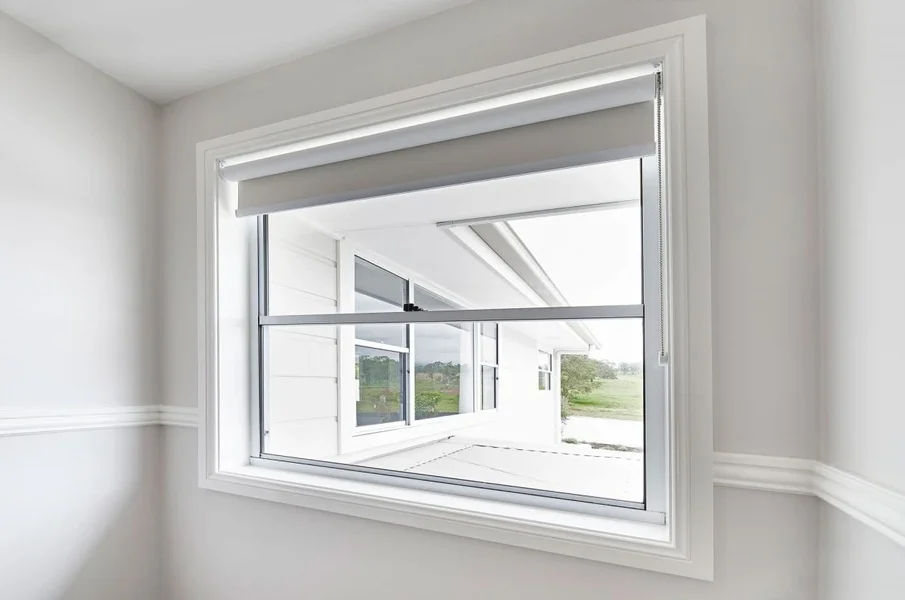
Window cleaning advice usually treats every pane as the same flat piece of glass. The frame around that glass, though, decides how hard a window is to clean, which side can be reached safely, and where dirt collects. A crank out casement, a tilt in double hung and a floor to ceiling picture window all need different handling. Knowing what’s installed in your home explains why some windows stay streaky no matter how often they get wiped.
In Arvada, that mix is wider than in most suburbs. Older homes around Olde Town still have wood sash windows, sometimes with storm windows added over them. Large neighborhoods built from the 1950s through the 1970s are full of ranches and split levels with big living room picture windows and aluminum sliders, many since swapped for vinyl replacements. On the northwest side, newer communities such as Candelas and Leyden Rock lean toward large glass facing the foothills. Those homes also deal with construction dust, since building nearby is still going on. Add dry west winds, occasional hail, and summer sprinklers, and every style picks up grime in its own way.
Much of this work happens on ladders, around second story sashes, and on glass that can’t be reached from inside, so it helps to have people who do it every day. Deja View Window Washing runs out of Arvada itself, on Marshall Street, and has been cleaning windows across the Denver Metro since 2010. The company is licensed and carries both general liability and workers’ comp. For homeowners and businesses looking for Window Cleaning in Arvada, the crew works on every window type, from original wood sash to brand new vinyl. They can repair or replace damaged screens and take care of gutters, solar panels and holiday lighting on the same schedule. New clients get 10 percent off their first service, estimates cost nothing, and the office answers weekdays from 8 AM to 5 PM.
Double hung and single hung windows
These are the most common windows in the area, and they are misunderstood more than any other style. Most replacement double hung windows installed in the last few decades have tilt in sashes. Release the latches at the top, and each sash tips inward so the outside glass can be cleaned from inside the room. Many homeowners never use that feature, and some aren’t aware their windows have it.
Original wood sash windows in older homes are a different matter. They often run on ropes and weights, don’t tilt, and have glazing putty that can dry out and crack. Cleaning them means working carefully around loose paint and brittle putty. When storm windows are mounted outside, there are four glass surfaces per opening instead of two. Dust and dead insects also collect in the gap between the storm and the main window, and that gap only opens from the outside.
Casement and awning windows
Casements swing outward on a crank, which helps airflow but makes the exterior glass awkward to reach. On many models, a hinge lets the sash open far enough to reach the outside surface through the opening. On others, especially on upper floors, the outside can only be reached from a ladder.
Because these windows sit open and angled into the wind, they catch more dust and pollen than windows that slide. The crank hardware and hinge arms also collect grit. That grit makes them stiff to operate, and a light cleaning and lubrication during a fall visit keeps them working smoothly into winter.
Sliders and patio doors
Horizontal sliders and sliding glass doors carry the most traffic, especially in homes with pets and children. The glass shows nose prints and handprints, but the real trouble is at the bottom. Tracks fill with dirt, gravel and cottonwood fluff, and the drainage openings in the lower frame, called weep holes, can clog. When they do, rain and snowmelt sit in the channel instead of draining out. In cold weather, trapped water can freeze and make a slider hard to open.
Useful habits for sliders include:
- Vacuuming tracks with a crevice tool before wiping, so grit doesn’t turn into paste
- Clearing weep holes with a thin wire or pipe cleaner at least once a year
- Checking the rollers if the door drags even after the track is clean
Picture windows and large fixed glass
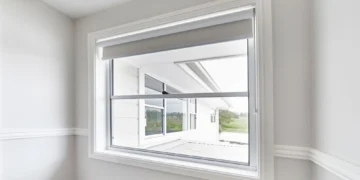
Fixed glass doesn’t open, so the exterior can only be cleaned from outside. On a single story ranch, that is usually easy. On newer two story homes with tall view windows, it often requires ladders or water fed pole systems. These poles use purified water that dries without spotting and have become a standard tool for reaching upper glass from the ground.
Large panes, especially near doors, floors and stairways, are typically tempered glass. Tempered glass can hold tiny bits of debris from manufacturing that scratch when a razor blade is pulled across the surface. For that reason, experienced cleaners avoid blade scraping on tempered panes unless it is truly needed. The size of these windows also shows every streak when afternoon sun hits them, so technique matters more here than on smaller glass.
Brand new windows on brand new homes
Windows in newly built homes often come with their own mess. Manufacturer labels, adhesive, paint overspray, stucco splatter and mortar drips are all common. This kind of cleanup is slower and riskier than routine washing. The wrong scraper or solvent can scratch glass or damage coatings, and some manufacturers limit warranty coverage for scratches caused during cleaning. Homes in developing neighborhoods also keep catching construction dust for months, sometimes years, as lots around them fill in.
What cleaning can’t fix
Some problems show up during cleaning but aren’t dirt at all. It helps to recognize them so you don’t keep scrubbing:
- Fog or haze between the two panes of a double pane window means the seal has failed and moisture got inside. Cleaning either surface won’t help; the glass unit needs repair or replacement.
- Cloudy spots on lower windows that won’t wipe away are often mineral etching from years of sprinkler overspray.
- Small pits or chips on west and north facing glass can come from hail or wind driven debris.
Matching care to the window
Most Arvada homes do well with exterior cleaning twice a year, typically in spring and again in fall before temperatures drop below freezing. The style of window changes how that visit goes. Tilt in sashes are easy for homeowners to handle between visits. Casements, storm windows, and tall fixed glass are where professional help earns its cost. Knowing which windows you have is the first step in keeping all of them clear.