Why Office Maintenance Matters: The Hidden Engine of Workplace Performance
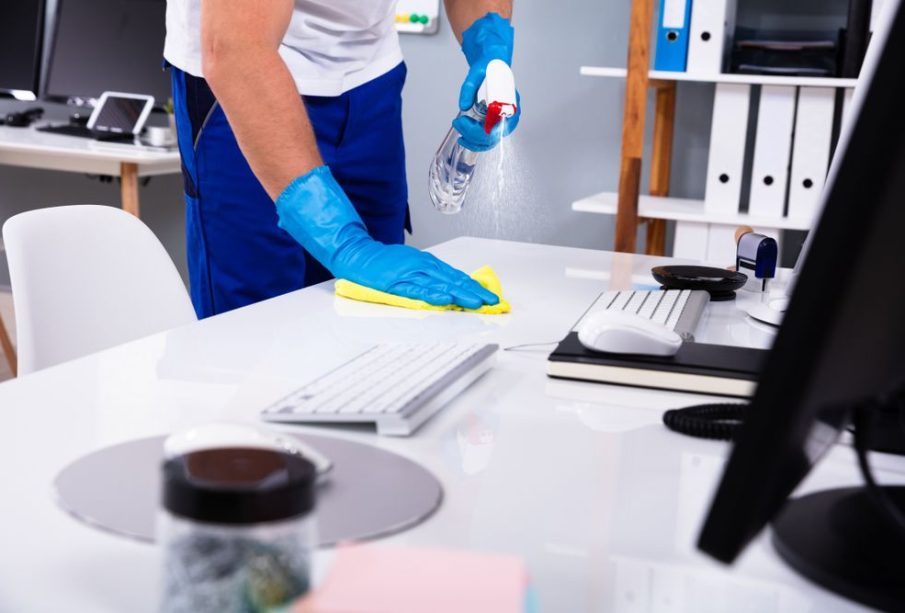
In the day-to-day running of a business, office maintenance is often overlooked. It rarely feels urgent until something breaks. Yet behind every productive, safe, and professional workplace is a well-maintained office environment. From employee well-being to brand perception, office maintenance plays a far more strategic role than many organisations realise.
Ensuring Business Continuity and Safety
Office maintenance is fundamental to keeping operations running smoothly. Core systems such as air conditioning, electrical infrastructure, plumbing, lighting, and fire safety equipment support daily work in ways that are easy to ignore until they fail. A single malfunction, whether it is a power outage or an air-conditioning breakdown, can disrupt productivity across an entire office within minutes.
Regular inspections and preventive maintenance reduce the risk of unexpected downtime and safety hazards. Loose flooring, faulty wiring, or poorly maintained fire systems create liabilities that can expose businesses to injuries, legal risks, and regulatory issues. Proactive maintenance helps organisations stay compliant with building and safety standards while protecting staff and visitors.
Supporting Employee Health and Productivity
Employees spend a large portion of their lives in the workplace. Poorly maintained offices can negatively affect both physical health and mental well-being. Inadequate ventilation, dirty air filters, water leaks, or insufficient lighting can lead to fatigue, respiratory problems, and reduced concentration.
A clean, functional, and well-maintained environment signals that a company values its people. This sense of care contributes to higher morale, lower absenteeism, and improved retention. In competitive talent markets, workplace conditions increasingly influence how employees perceive their employer beyond salary or benefits.
Furniture condition is often underestimated in workplace health. A worn or unstable office chair can contribute to poor posture, back pain, and long-term musculoskeletal issues. Regular checks and timely replacements form an important part of a holistic maintenance strategy that supports employee comfort and sustained productivity.
Preserving Asset Value and Controlling Costs
Office spaces and building infrastructure represent major financial investments. Without consistent maintenance, assets deteriorate faster than expected. Minor issues such as leaks, cracks, or worn fixtures can escalate into costly repairs if ignored.
Routine maintenance extends the lifespan of office assets and allows businesses to plan expenses more predictably. Preventive work is almost always more cost-effective than emergency repairs or premature renovations. Over time, this disciplined approach reduces total ownership costs and protects long-term property value.
Strengthening Brand Image and Client Confidence
The physical condition of an office sends a powerful message. Clients, partners, and investors form impressions long before meetings begin. Worn-out interiors, malfunctioning facilities, or poorly maintained common areas can undermine credibility and professionalism.
A well-kept office reflects attention to detail and operational discipline. These signals reinforce trust and confidence, particularly for businesses that host clients regularly or operate in premium sectors such as finance, technology, or professional services.
Why Professional Office Maintenance Makes Sense
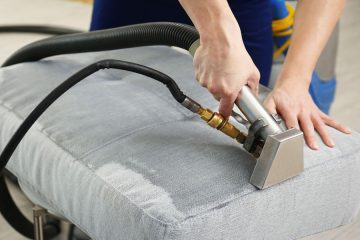
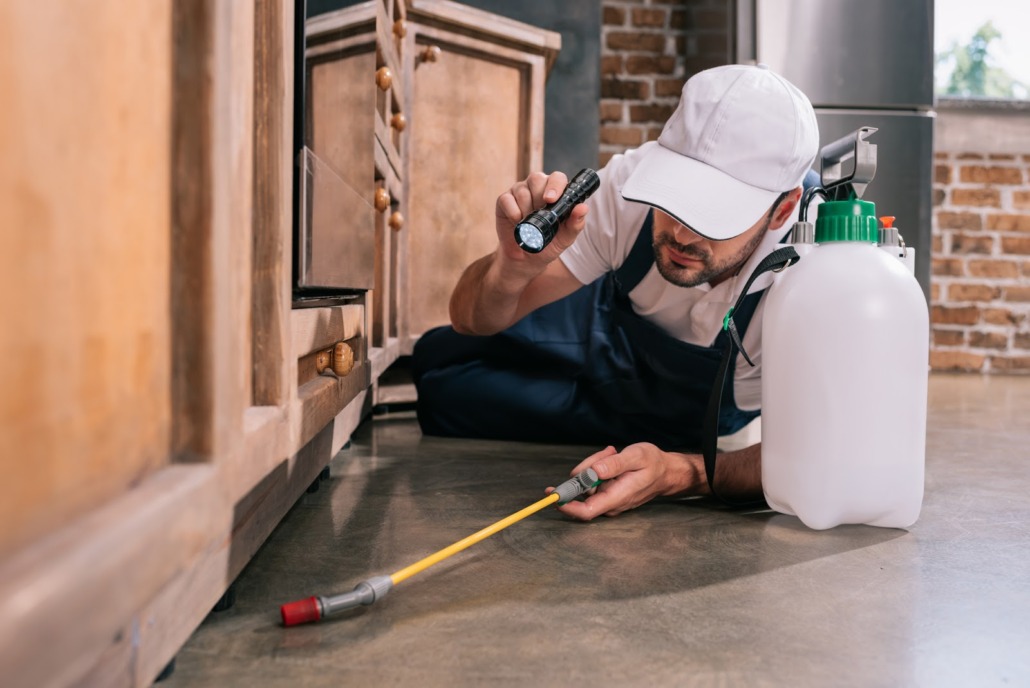
Office maintenance covers a wide range of disciplines, from mechanical systems to safety compliance and ongoing repairs. Managing this internally can be resource-intensive and inconsistent. Many organisations therefore choose to work with specialised providers that offer structured, preventive solutions.
By engaging professional office maintenance services, businesses can ensure routine inspections, timely repairs, and regulatory requirements are handled systematically by experienced teams. This approach allows internal staff to focus on core operations while maintaining a safe, reliable, and high-performing workplace.
Conclusion
Office maintenance is not simply about fixing problems when they arise. It is a strategic function that supports productivity, safeguards people, protects assets, and reinforces brand reputation. Businesses that treat maintenance as an ongoing priority rather than a reactive task position themselves for smoother operations and sustainable growth.
In an environment where performance and perception matter more than ever, consistent office maintenance is not optional. It is a quiet but essential driver of long-term success.