Why the Right Kitchen Plumbing Fittings Can Transform Your Home’s Heart
Spend enough time in any hardware store and you’ll notice something. Homeowners carefully compare tap finishes, debate tile grout colours, then toss a pack of fittings into the trolley without a second glance. Fittings hide behind walls and inside cabinets, so they feel invisible. But kitchen plumbing fittings are quietly responsible for whether a kitchen holds together or slowly falls apart – and poor choices usually surface at the worst possible time.
What Are Plumbing Fittings?
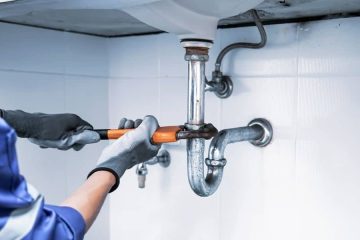
A fitting connects, redirects, or ends a section of pipe. In a kitchen, the picture gets complicated fast. Supply lines feed the sink and dishwasher. Waste lines carry everything away. Some kitchens run gas lines to the cooktop on top of all that. Every junction in that web is a fitting, and there are far more of them than most people stop to count. The selection process deserves more thought than it typically gets.
Types Commonly Used
Most guides describe what each fitting type does – elbows change direction, tees split a line, couplings join two pipes. What rarely gets said is that type and quality are completely separate questions. Compression fittings don’t need soldering, which makes them convenient. But they’re also the first to weep when vibration enters the picture, and dishwashers vibrate constantly. Push-fit fittings perform reliably in open spaces but become a gamble when buried in a wall cavity. The distinction that matters isn’t what a fitting is called – it’s knowing where each one is likely to let you down.
Material Matters
Physical compatibility between a pipe and a fitting is only half the story. Chemical compatibility matters just as much, and it’s the part that gets skipped. In coastal areas of Queensland and Western Australia, where tap water carries more dissolved salts, joining copper pipe to brass without a dielectric barrier sets up a slow galvanic reaction at the joint. The pipe looks fine while the fitting degrades quietly from the inside. Anyone renovating an older kitchen should get the existing wall plumbing assessed before connecting anything new to it.
Durability and Longevity
Brand loyalty leads a lot of people astray here. The real variable is fitting grade. Commercial kitchen plumbing fittings used in restaurants are built for thermal cycling and constant pressure – conditions that domestic kitchens rarely approach. Using them at home isn’t overkill. The upfront difference is modest, and the long-term payoff is a kitchen that doesn’t need revisiting every few years because a joint has started weeping.
Leak Prevention
Slow leaks cause far more damage than sudden ones. A burst pipe gets noticed immediately. A weeping joint behind the dishwasher can soak a cabinet base and subfloor for months before anyone spots it. Mould follows, then cabinetry damage. Properly matched kitchen plumbing fittings, installed with correct thread engagement and the right sealant – not tape applied loosely – are what prevent that chain from starting. In Australian kitchens where cabinetry sits on particleboard, a slow drip versus a dry joint can mean the difference between a quick fix and pulling up the entire floor.
Water Efficiency
A partially failed fitting doesn’t only leak – it throws pressure off across the whole line. A degraded ball valve or an undersized reducer will drop tap pressure enough that water-efficient tapware performs below its rating. Australia’s WELS system rates fixtures under controlled conditions, and those ratings fall apart the moment the plumbing behind them isn’t holding up. Good fittings are what allow efficient fixtures to actually work as advertised.
Installation and Compatibility
Thread standards cause real problems in Australian kitchens and barely get discussed. BSP threads are the local standard. Plenty of imported tapware and appliances arrive with NPT threads instead – the American version – which look almost identical but are machined at a slightly different taper. They’ll often appear to fit and may even hold pressure for a while. But the mismatch eventually causes joint failure. Thread standard should be confirmed before installation, not assumed.
Conclusion
Kitchen plumbing fittings rarely come up in renovation conversations, but they probably should. The decisions made before walls close up determine how a kitchen performs over the long run. Thread compatibility, material pairing, and knowing where each fitting type tends to fail – these aren’t details to leave entirely to chance. The fittings nobody ever sees are often the ones that matter most.