Expert Tips for Choosing a Wine Bottle Moving Company
Understanding the Unique Challenges of Moving Wine Bottles
The Fragility of Fine Wines: Special Considerations
Moving a collection of wine bottles is not as straightforward as relocating ordinary household items; it comes with a unique set of challenges that can affect the quality and integrity of the wine. Fine wines, particularly those with a long aging process, are incredibly delicate. The glass bottles are susceptible to breakage, which can lead to substantial financial loss. Not only does the physical integrity of the bottle matter, but so does the liquid within. If these bottles are jostled or transported improperly, it could lead to cork failure or exposure to air, resulting in the oxidation of the wine and a subsequent decline in flavor. Collectors should seek a moving company that understands these risks and has specialized procedures for safely handling, transporting, and storing wine during transit.
Temperature Control: Why It Matters for Your Collection
Temperature control becomes imperative when handling wines, as most varieties are sensitive to temperature fluctuations and exposure. Ideally, wine should be stored and transported at around 55°F (13°C), with a humidity level of around 70% to preserve the cork and prevent spoilage. A temperature increase beyond 70°F can accelerate aging and undermine the wine’s flavor profile, while chilling below 45°F can halt the aging process and disrupt flavor development. Therefore, prospective clients should inquire whether the moving company has climate-controlled transportation options, ensuring the wine is kept at an optimal temperature throughout the entire moving process. This attention to temperature can ultimately save both fine flavors and your investment.
Legal and Regulatory Factors: What You Need to Know
When moving wine, particularly across state or international borders, it is crucial to be aware of the legal and regulatory frameworks governing alcohol transport. Many states have rigorous laws dictating the transportation of wine, including permits and licenses required for movers and possible limitations on the volume of alcohol transported. It’s advisable to verify whether the moving company you choose is fully compliant with all local, state, and federal regulations regarding alcohol transport. Moreover, governing bodies may have specific labeling and tracking requirements based on the destination, which can impact the timelines and processes involved, so ensure that your chosen company is equipped to handle such complexities.
Key Qualities to Look for in a Wine Bottle Moving Company
Experience Matters: Selecting a Specialist in Wine Transportation
One of the most important factors when choosing a wine bottle moving company for your prized collection is their experience and specialization in wine transportation. Take the time to research whether the company has a proven track record of successfully relocating wine and if they can provide references or testimonials from previous clients. A reputable wine bottle moving company will understand the unique requirements involved in handling different types of bottles, from rare, high-value vintages to everyday favorites. Their expertise in proper packing techniques, temperature-controlled transport, and secure storage practices helps protect your wine from damage, vibration, or spoilage throughout the moving process. Be sure to ask detailed questions about their vehicles, specialized equipment, and handling procedures for wine shipments; doing so will give you confidence that your collection is in capable and careful hands.
Insurance Policies: Understanding Coverage for Your Collection
Wine collections represent not only a financial investment but also emotional and personal value for many collectors. As such, it is crucial to ensure that your moving company offers adequate insurance coverage to protect against loss or damage during the moving process. Investigate the specifics of their insurance policy: What does it cover? How do they value the wine? Pay close attention to the difference between declared value coverage, which provides limited protection based on declared worth, and full-value protection, which offers more comprehensive coverage should an accident occur. Additionally, consider whether the insurance explicitly covers breakage, spoilage, or other potential risks unique to wine moving. Making sure your wine collection is sufficiently insured will provide peace of mind throughout the moving experience.
Customer Reviews: Gauging Reputation and Reliability
In today’s digital age, customer reviews can provide invaluable insights into the reliability and professionalism of a moving company. Take the time to research online reviews across platforms such as Google, Yelp, or even specialized wine forums and communities. Look for feedback that specifically addresses the company’s handling of wine, experiences with customer service, timeliness, and general customer satisfaction. A reputable company will have numerous positive reviews from clients that had similar moving requirements, which can illuminate the quality of service you can expect. Additionally, be cautious of overly polished reviews it’s beneficial to weigh both positive and negative feedback to get a balanced view of the mover’s practices. Engaging with past clients when possible can further enrich your understanding of the company’s reputation.
The Art of Packing: Ensuring Your Bottles Arrive Safely
Protective Materials: Packing Solutions for Wine Bottles
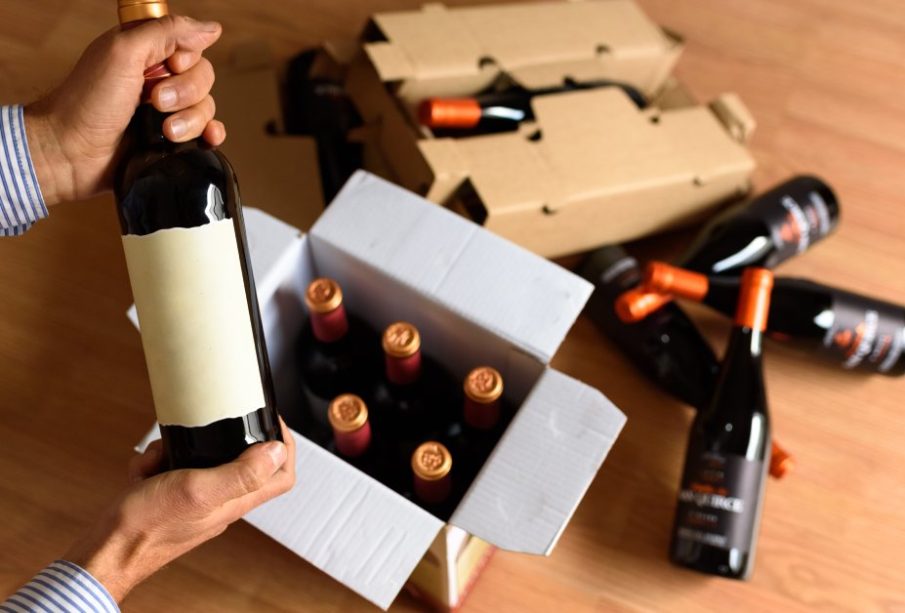
When it comes to packing wine bottles, utilizing the correct protective materials is essential for minimizing the risk of breakage and spoilage. Professional movers often use specially designed wine boxes that include dividers and padding to keep bottles secure during transportation. These boxes are critical for separating the bottles and preventing them from contacting each other, which could lead to cracks or shattering. Moreover, bubble wrap, styrofoam peanuts, and other cushioning materials can be used extensively to wrap bottles and fill any gaps in boxes to avoid movement during transport. Specific care should also be taken with older bottles, which may have fragile corks; in such cases, additional support might be necessary. Be sure to inquire whether your moving company utilizes these best practices to safeguard your investment.
Labeling and Inventory: Keeping Track of Your Treasures
Labeling and maintaining an accurate inventory of your wine collection are critical steps that not only aid in the quick unpacking process but also ensure that nothing goes missing during the move. Each box should be distinctly labeled to indicate its contents, including specific details such as the type of wine, vintage, and potential value. This will simplify the unloading process and help track any discrepancies when unpacking at the new location. Furthermore, maintaining a comprehensive catalog of your collection that includes all pertinent information allows you to keep a close eye on your assets and assists in any insurance claims if needed. Some advanced movers may even offer digital inventory solutions to streamline the tracking process, employing QR codes or barcoding methods to enhance accuracy.
Loading and Unloading Techniques: Best Practices to Prevent Damage
Once your wine bottles are properly packed, effective loading and unloading techniques play a pivotal role in ensuring their safe arrival. Movers should always lift bottles from the bottom rather than the neck to prevent unnecessary stress and potential breakage. Additionally, items should be loaded in a transport vehicle in a manner that safeguards them from abrupt movement this includes creating a stable, immovable load. Best practices suggest placing heavier boxes or items on the bottom, while lighter boxes or bruised bottles should be positioned on top. When unloading, the same principles apply; careful handling and a methodical approach are crucial. Clients may benefit from observing these practices or asking the movers to explain their procedures, as this transparency builds trust and confidence in the service.
Cost Considerations: Budgeting for a Wine Moving Adventure
Understanding Pricing Models: Flat Rates vs. Hourly Fees
Understanding the financial implications of moving your wine collection involves navigating various pricing models, each with its own advantages and drawbacks. Some moving companies offer flat rates, which can be beneficial for those with a clear understanding of how much wine they are transporting and want to avoid the uncertainty of hourly fees. This model offers a comprehensive idea of costs upfront, minimizing unexpected expenses at the end of the moving process. On the other hand, hourly rates are often associated with flexibility, making them advantageous for customers who may have several variables impacting the time. However, it’s critical to ensure that estimates are as accurate as possible, as extended hours can quickly add up. Assess your unique circumstances and preferences to decide which pricing model mer suits your moving needs.
Hidden Costs: What You Might Overlook in Your Quotation
While reviewing quotes from potential moving companies, it is vital to be vigilant for hidden costs that may not be immediately apparent. These can include charges for fuel, packing supplies, or even surcharges for stairs, long distances from the truck to your door, or storage fees if your timeline does not align with the mover’s schedule. Ask detailed questions about all components of the quote, emphasizing any scenarios that could lead to additional charges. This level of due diligence can prevent unpleasant surprises down the line, and help you to compare the total cost of services effectively amongst various competitors. Understanding all potential expenses will allow you to budget accurately and choose an option that fits your financial parameters.
Finding the Right Value: Balancing Quality and Affordability
Finding the right value when it comes to moving your wine collection requires a careful balance between quality of service and affordability. While it might be tempting to choose the cheapest option available, doing so can be detrimental to the integrity of your wine. Take the time to evaluate the services included, insurance coverage, and the company’s reputation alongside the cost. Often, a slightly higher price may come with peace of mind, specialized knowledge, and robust insurance that protects your valuable bottles, which can ultimately save you money in the long run. It’s also worthwhile to seek discounts, package deals, or promotions that moving companies may offer, providing a more competitive edge without sacrificing quality.