How to Pack Your Home Like a Professional Removal Company?
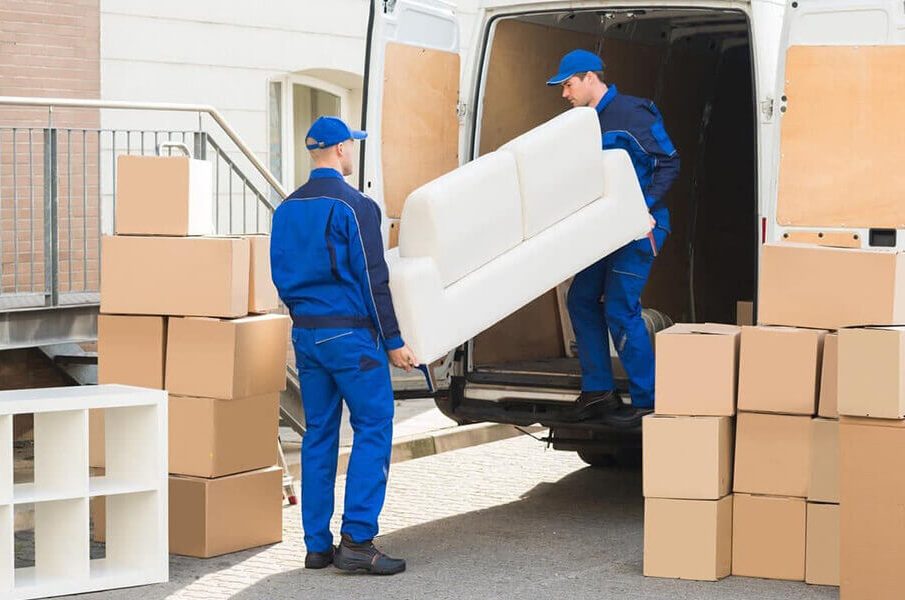
Packing a home well saves time, prevents damage and makes moving day far easier. Professional movers follow a clear system. They plan each stage, use the right materials and pack rooms in a strict order. Anyone can follow the same method with careful preparation. Strong boxes, proper wrapping and clear labelling make the difference between a smooth move and broken belongings.
Plan the Packing Process Early
Professional movers never rush packing. They start weeks before the move. Good planning reduces stress and keeps every room organised.
Create a clear packing schedule. Start with items you rarely use. Leave daily essentials until the final days. Break the house into sections and complete one area at a time.
If you want additional guidance on preparing and organising a home move, the Which? moving house checklist provides a useful overview of key tasks.
Begin with:
- Spare bedrooms
- Loft storage
- Garage contents
- Seasonal clothing
Finish with kitchens, bathrooms and everyday items. This order keeps the home functional while boxes build steadily.
Sort belongings before packing. Remove anything you no longer need. Fewer items mean fewer boxes and faster loading on moving day.
Use Strong Packing Materials
Professional removal teams never use weak boxes. Thin cardboard collapses under weight and risks damage. Use double-wall moving boxes designed for removals.
Essential packing materials include:
- Double-wall cardboard boxes
- Bubble wrap
- Packing paper
- Strong parcel tape
- Permanent markers
- Protective furniture covers
Avoid overfilling boxes. Heavy boxes split during lifting. Aim for a manageable weight that one person can carry safely.
Use small boxes for books and heavy items. Use larger boxes for lighter items such as bedding or cushions.
Pack Room by Room
Professional movers pack one room at a time. This keeps items organised and makes unpacking easier later.
Label each box clearly with:
- Room name
- Short description of contents
- Fragile notice if needed
For example:
- Kitchen – Plates and bowls
- Living room – Books and DVDs
- Bedroom – Winter clothes
Place labels on the top and side of every box. Removal teams can identify boxes quickly when stacking them in the van.
Keep items from each room together. Mixing contents slows unpacking later.
Protect Fragile Items Properly
Fragile items require careful wrapping. Professional movers never rush this stage.
Wrap each item individually using packing paper or bubble wrap. Avoid newspaper ink on delicate surfaces. Ink stains glass and ceramics.
For plates and dishes:
- Wrap each plate separately.
- Stack them vertically in the box.
- Fill gaps with packing paper.
Vertical stacking reduces pressure and lowers the chance of cracks.
For glasses and mugs:
- Wrap each item individually.
- Fill hollow spaces with paper.
- Place them upright in the box.
Add padding to the bottom and top of the box. Shake the box gently before sealing it. If items move, add more padding.
Pack Books and Heavy Items Correctly
Books seem small, but they weigh a lot. Professional movers pack books in small, sturdy boxes.
Stack books flat or upright, as they would sit on a shelf. Do not mix books with fragile items. Weight shifts during transport can crush delicate objects.
Keep each box under 20 kilograms where possible. Heavy boxes slow down the loading process and increase the risk of injury.
Protect Furniture Before the Move
Furniture often suffers damage during house moves. Professional teams wrap large items carefully before transport.
Use furniture blankets or padded covers to protect surfaces. Tape protective materials securely, but avoid placing tape directly on wood or polished finishes.
Remove loose parts where possible. Table legs, shelves and bed frames often detach easily.
Place screws and bolts in small labelled bags. Tape the bag to the matching furniture piece. This prevents lost fittings.
Mattresses require protective mattress covers. Dust and dirt collect easily during a move.
Pack an Essentials Box
Professional movers advise every household to prepare a moving day essentials box. This box stays with you during the move.
Include items needed during the first night in the new home:
- Toiletries
- Phone chargers
- Medication
- Important documents
- Basic kitchen items
- Clean clothes
Place this box in your personal vehicle rather than the removal van.
Quick access to these items avoids unnecessary searching through dozens of boxes.
Seal and Stack Boxes Correctly
Professional removal teams seal boxes carefully. Weak sealing leads to boxes opening during transport.
Follow a simple method:
- Tape along the centre seam
- Tape both edges across the bottom.
- Repeat the same pattern on the top.
This H-shaped tape pattern strengthens the box structure.
Stack heavier boxes at the bottom and lighter boxes on top of them. Avoid stacking fragile boxes under heavy items.
Keep boxes in one area of the house ready for loading. Clear pathways allow movers to carry boxes quickly without obstacles.
Final Packing Checks Before Moving Day
Before the removal van arrives, complete a full check of the house.
Look inside:
- Wardrobes
- Cupboards
- Loft spaces
- Garage shelves
Many people forget items in hidden storage areas.
Confirm every box has a clear label and sealed lid. Loose boxes slow the loading process.
Disassemble large furniture the night before moving day if possible. This saves time when the removal team arrives.
Professional Packing Creates a Smooth Move
Careful packing keeps belongings safe and speeds up the entire moving process. Strong materials, proper wrapping and clear organisation form the foundation of a successful move.
Professional removal companies rely on simple systems. Pack room by room. Protect fragile items. Use strong boxes. Label everything clearly.
Follow these methods, and your home will be packed with the same precision used by experienced removal teams. The result is a faster move, safer transport and an organised start in your new home.