How to Choose the Right Flooring Contractor in Tampa Before Starting Your Project
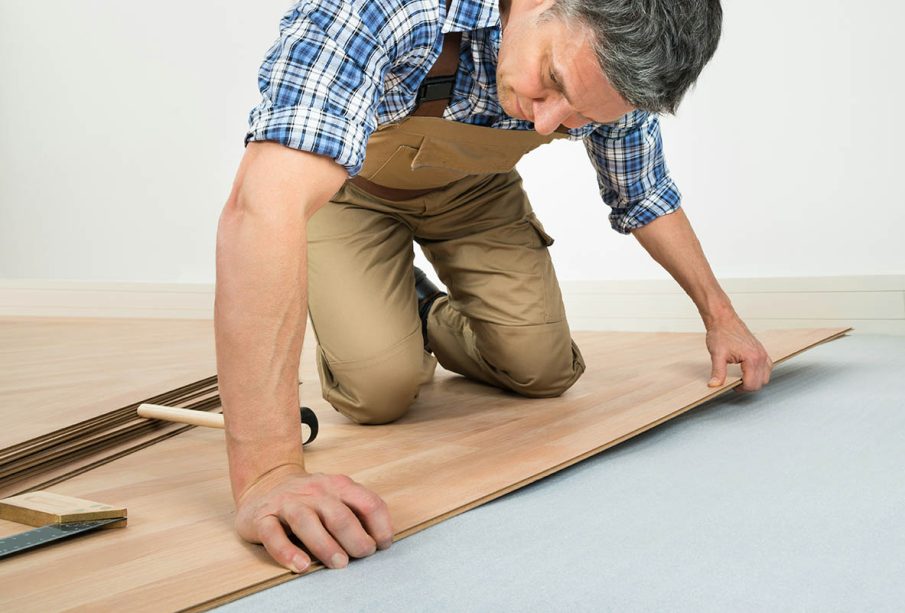
Hiring a flooring contractor may seem straightforward, but the quality of installation often determines how long a floor will actually last. In Tampa homes, flooring systems must handle humidity, temperature changes, daily traffic, and moisture conditions that are common throughout Florida.
Many flooring problems that appear months after installation often begin long before the flooring material is installed. Uneven concrete, hidden moisture, poor preparation, or incorrect installation methods can lead to costly repairs even when high-quality flooring products are used.
Because of this, choosing the right flooring contractor Tampa homeowners can trust is often more important than choosing the flooring product itself.
Why Flooring Installation Is More Than Just Installing New Floors
Many homeowners focus on selecting flooring materials such as luxury vinyl plank, laminate, hardwood, or tile. While product selection is important, the installation process has a major impact on long-term performance.
A complete flooring project may include:
- Floor demolition
- Removal of existing flooring
- Concrete inspection
- Moisture testing
- Floor leveling
- Crack repair
- Surface preparation
- Underlayment installation
- Flooring installation
- Final finishing and transitions
Skipping any of these steps can increase the risk of future flooring failure.
Common Flooring Problems Found in Tampa Homes
Florida homes often present unique challenges compared to homes in other parts of the country.
Some of the most common issues include:
- Uneven concrete slabs
- High moisture levels
- Previous flooring damage
- Cracks in concrete
- Hollow areas under the tile
- Improperly repaired subfloors
- Water damage from plumbing leaks
Many of these problems remain hidden until flooring removal begins.
A professional contractor should inspect the existing conditions before recommending any flooring solution.
Floor Preparation Is Often the Most Important Step
Many flooring failures occur because the surface underneath was never properly prepared.
Floor preparation may include:
- Grinding high spots
- Filling low areas
- Repairing cracks
- Surface cleaning
- Moisture mitigation
- Leveling uneven concrete
Even premium flooring materials can fail when installed over an unstable surface.
This is especially important for tile, hardwood, laminate, and luxury vinyl plank flooring.
Why Professional Floor Leveling Impacts Flooring Performance
Many flooring problems are often blamed on the flooring material itself when the real issue exists underneath the surface.
Professional floor leveling helps create a flat, stable foundation that supports long-term flooring performance. In many Tampa homes, concrete slabs can develop uneven areas over time due to settlement, moisture conditions, previous repairs, or natural movement.
Uneven slabs may contribute to several common flooring problems, including:
- tile cracking
- grout failure
- laminate separation
- luxury vinyl plank movement
- visible lippage between flooring sections
- premature flooring wear
Modern flooring products often have specific floor flatness requirements established by manufacturers. Even minor variations in the concrete surface can affect how the flooring performs after installation.
For example, large-format tile may crack when installed over uneven areas that create stress points. Luxury vinyl plank flooring may develop movement or joint separation if the surface underneath does not meet installation standards. Laminate flooring can also experience gaps or separation when the floor is not properly leveled before installation.
Professional floor leveling helps address these issues before new flooring is installed, creating a stronger foundation for long-term durability and performance.
Signs Your Existing Floor May Need More Than New Flooring
Many homeowners assume replacing flooring will solve the problem. However, certain warning signs may indicate that underlying conditions need to be addressed before installing new materials.
Some of the most common signs include:
- hollow-sounding tile
- cracked grout lines
- moisture damage
- uneven surfaces
- soft or unstable areas
- subfloor problems
- recurring flooring movement
A hollow tile may indicate poor bonding, movement beneath the surface, or installation issues. Cracked grout often signals floor movement that can eventually affect surrounding tile.
Moisture damage is another concern frequently found in Florida homes. Excess moisture may affect flooring materials, adhesives, underlayment systems, and even structural components beneath the floor.
Uneven surfaces can become more noticeable after new flooring is installed, particularly with luxury vinyl plank, laminate, and large-format tile. In some cases, visible imperfections that appear to be flooring defects are actually caused by conditions underneath.
Subfloor problems can also contribute to squeaking, movement, cracks, and premature wear. Identifying these issues before installation helps prevent future repairs and allows the new flooring system to perform as intended.
A professional flooring inspection can often determine whether a project requires simple flooring replacement or more extensive preparation work before installation begins.
Understanding Moisture Conditions in Florida Homes
Florida’s climate creates additional challenges for flooring installations.
Humidity, rainfall, and ground moisture can affect flooring performance over time.
Professional contractors often perform moisture testing before installation to identify potential concerns.
Moisture problems may contribute to:
- Flooring movement
- Warping
- Buckling
- Mold growth
- Adhesive failure
- Expansion issues
Identifying these conditions before installation helps reduce future problems.
Luxury Vinyl Plank Flooring Continues to Grow in Popularity
Luxury vinyl plank flooring has become one of the most requested flooring options in Tampa.
Many homeowners choose LVP because it offers:
- Water resistance
- Durability
- Easy maintenance
- Modern appearance
- Multiple design options
However, proper installation remains critical.
Luxury vinyl plank can still experience movement, separation, or visible imperfections if the floor underneath is not properly prepared.
Laminate Flooring Requires Proper Installation
Modern laminate flooring has improved significantly over the years.
Many products now provide:
- Improved wear resistance
- Better appearance
- Enhanced durability
However, laminate flooring remains sensitive to moisture exposure.
Before installation, contractors should verify that moisture conditions are acceptable and that the surface is properly prepared.
Proper expansion spacing around walls and transitions is also important for long-term performance.
Hardwood Flooring Requires Special Attention
Hardwood flooring remains one of the most desirable flooring options available.
It offers:
- Natural beauty
- Long lifespan
- Increased home value
- Timeless appearance
Florida’s humidity levels can affect hardwood flooring more than many homeowners realize.
Professional installation may include:
- Moisture testing
- Acclimation procedures
- Expansion planning
- Proper fastening methods
Engineered hardwood products are often recommended because they typically perform better in Florida’s climate than traditional solid hardwood flooring.
Tile Flooring Remains One of the Most Durable Choices
Tile flooring continues to be a popular option throughout Tampa Bay.
When installed correctly, tile can provide decades of performance.
Successful tile installations often depend on:
- Flat surfaces
- Proper underlayment
- Crack isolation systems
- Expansion joints
- Correct mortar selection
Many tile cracks are actually caused by movement underneath the tile rather than the tile itself.
This is why preparation remains such an important part of the process.
Questions Homeowners Should Ask Before Hiring a Contractor
Before hiring a flooring contractor, homeowners should ask:
- Will the floor be inspected before installation?
- Is moisture testing performed when necessary?
- How is floor leveling handled?
- What preparation work may be required?
- What flooring products are recommended for Florida conditions?
- Who performs the installation?
- What happens if hidden conditions are discovered?
Clear answers to these questions often provide insight into the contractor’s experience and installation process.
Why the Lowest Estimate Is Not Always the Best Value
Many flooring estimates focus primarily on installation costs.
However, lower pricing sometimes excludes:
- Surface preparation
- Floor leveling
- Moisture mitigation
- Crack repair
- Additional materials
When comparing proposals, homeowners should understand exactly what is included and what may become an additional expense later.
A thorough evaluation often helps prevent unexpected costs during the project.
Final Thoughts
New flooring can dramatically improve the appearance and functionality of a home. However, long-term results often depend on preparation, moisture management, and installation quality rather than the flooring material alone.
Choosing an experienced contractor who understands Tampa’s environmental conditions, floor preparation requirements, and installation best practices can help homeowners avoid many common flooring problems and maximize the lifespan of their investment.
Whether the project involves tile, laminate, hardwood, or luxury vinyl plank flooring, evaluating the condition of the existing surface before installation can help reduce future repairs and improve long-term performance.
Homeowners planning flooring installation projects in Tampa should work with professionals who understand both proper installation methods and the unique challenges Florida homes often present.