Practical Ways to Improve Home Energy Efficiency Through Better HVAC Performance
Understanding the Relationship Between HVAC Systems and Energy Consumption
Heating and cooling equipment accounts for a significant share of household energy consumption, particularly in regions with long, warm seasons. Air conditioners, heat pumps, and furnaces need to maintain comfortable indoor temperatures while responding to changing outdoor conditions. Their energy use depends on equipment efficiency, system condition, home insulation, and the way occupants manage indoor temperatures.
Local climate also plays an important role in determining suitable residential heating and cooling requirements. Homes in HVAC in League City, TX service areas experience considerable heat and humidity, making dependable equipment and efficient cooling operation important throughout much of the year. A properly maintained system can help manage indoor comfort without unnecessary energy use.
How Insulation and Air Leakage Affect Indoor Temperatures
Insulation slows the transfer of heat between indoor and outdoor spaces. When attic insulation is inadequate or wall insulation has deteriorated, outdoor heat can enter more easily during summer. The cooling system must then operate longer to maintain the thermostat setting.
Air leakage creates a similar challenge. Gaps around windows, doors, electrical openings, and other building connections allow conditioned air to escape. Sealing these openings and improving insulation can reduce unwanted heat transfer. Weatherstripping, caulking, and suitable attic insulation are practical improvements that may support more stable indoor temperatures.
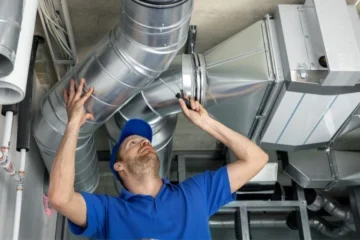
Ductwork also deserves attention. Leaking or poorly insulated ducts can lose conditioned air before it reaches living spaces, reducing overall system efficiency.
The Importance of Proper Thermostat Settings
Thermostat programming provides a simple way to manage heating and cooling schedules. Setting temperatures according to household routines can prevent unnecessary operation when rooms are unoccupied.
During warmer months, selecting a comfortable but moderate cooling temperature can reduce the workload placed on an air conditioner. Programmable and smart thermostats can automatically adjust settings throughout the day, helping maintain consistent conditions without frequent manual changes.
Avoiding extreme temperature adjustments is also useful. Setting the thermostat much lower than the desired indoor temperature does not necessarily cool a home faster; it can simply cause the system to run for longer.
Identifying Efficiency Problems in Heating and Cooling Equipment
Certain signs may indicate that an HVAC system is consuming more energy than necessary. Uneven temperatures, weak airflow, frequent cycling, unusual noises, and unexpectedly high utility bills deserve attention.
Equipment that is incorrectly sized can also create efficiency problems. An oversized air conditioner may cool a space quickly but cycle frequently, while an undersized unit may struggle to maintain comfortable temperatures during periods of high demand. Proper system assessment helps determine whether equipment capacity matches the home’s requirements.
Maintenance Habits That Support Better Energy Performance
Regular filter replacement is essential because clogged filters restrict airflow and increase system strain. Homeowners should follow the manufacturer’s recommended replacement schedule and check filters more frequently during periods of heavy use.
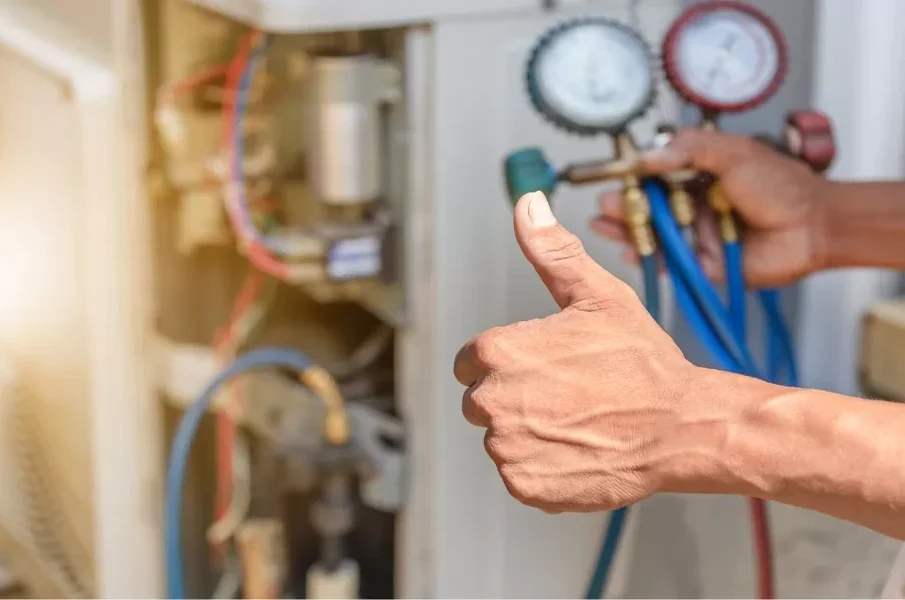
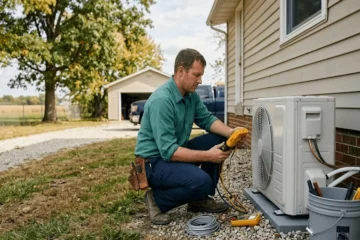
Cleaning accessible outdoor unit surroundings, keeping vents unobstructed, and arranging professional inspections can also support efficient operation. Technicians can examine coils, refrigerant levels, electrical components, and drainage systems to identify maintenance concerns.
When System Upgrades May Be Worth Evaluating
Older equipment may become less efficient as components wear and technology advances. When repair costs increase or performance declines, homeowners can compare replacement options based on efficiency ratings, capacity, installation requirements, and long-term operating costs.
Combining suitable equipment with improved insulation, sealed ducts, and sensible thermostat programming creates a more balanced approach to household energy management. Small improvements, maintained consistently, can support indoor comfort while limiting avoidable energy consumption.

Leave a reply
You must be logged in to post a comment.