Moving From an Apartment to a House in Ottawa: What Changes and How to Prepare
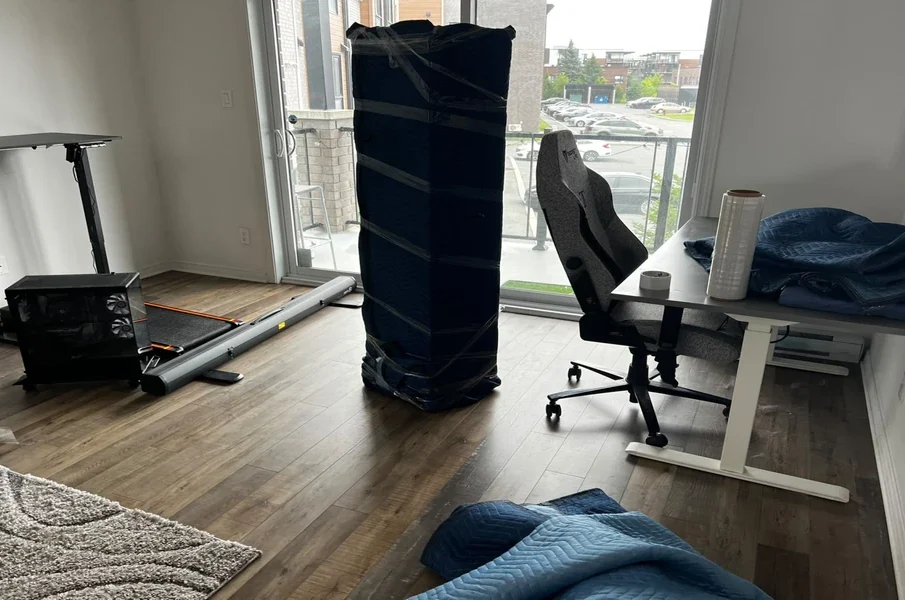
Moving from an apartment into a house is an important milestone for many Ottawa residents. Whether you are leaving a downtown condominium for a townhouse in Barrhaven or relocating from a rental apartment to a detached home in Kanata, the transition introduces new opportunities and responsibilities.
Having more living space, additional storage, and greater flexibility can be exciting. However, moving into a house also requires different planning compared with relocating between apartments.
From managing furniture and organizing utilities to preparing for property maintenance, understanding what changes can help make your relocation more manageable.
Why Ottawa Residents Make the Move From Apartments to Houses
Apartment living offers several advantages, including convenient locations, lower maintenance responsibilities, and access to shared amenities.
However, changing household needs often encourage residents to consider larger properties.
Growing families may need additional bedrooms, outdoor space, or dedicated areas for work and study. Others may want a private driveway, garage, or more room for hobbies and recreational equipment.
Ottawa offers a variety of housing options across communities such as Orleans, Riverside South, Stittsville, Barrhaven, and Kanata.
These neighbourhoods include townhouses, semi-detached properties, and detached homes that accommodate different household sizes and lifestyles.
Before choosing a property, consider how much space you actually need and whether the additional responsibilities of homeownership fit your budget and routine.
Measure Your Furniture Before Moving Day
One of the most overlooked aspects of moving into a larger property is checking whether existing furniture will fit comfortably within the new layout.
A house may have more overall square footage than an apartment, but individual rooms, staircases, and doorways can still create challenges.
Large sectional sofas, wardrobes, dining tables, and bed frames may require disassembly before transportation.
Measure major furniture pieces and compare their dimensions with doorways, hallways, and staircases at the destination.
Pay particular attention to basement entrances and upper-floor bedrooms.
It is also helpful to create a basic floor plan showing where major items will be placed.
This preparation can reduce unnecessary furniture handling and help you avoid discovering that an oversized item cannot reach its intended room.
Plan the Transition From Apartment Building to Residential Property
Apartment buildings often have specific moving requirements that do not apply to detached homes.
Condominium residents may need to reserve a service elevator, notify building management, or arrange access to designated loading areas.
Some buildings also require moving deposits or restrict relocations to certain hours.
At the destination, a house may offer more convenient access through a driveway or garage. However, narrow residential streets, landscaping, and entrance steps can still affect unloading.
When arranging professional Ottawa Movers, explain the access conditions at both properties rather than focusing only on the size of your apartment.
Providing information about elevator availability, parking arrangements, furniture dimensions, and the number of floors can help the moving crew prepare appropriately.
Understand the New Costs of Living in a House
Moving into a house often changes monthly household expenses.
Apartment renters may be accustomed to having certain maintenance services or utilities included in their rent.
Homeowners generally take on additional responsibilities, which may include property taxes, insurance, heating, water, electricity, and routine repairs.
Depending on the property, you may also need to purchase equipment for lawn care, snow removal, or general maintenance.
Before moving, review which services are already connected and which accounts need to be established.
For newly purchased properties, confirm important details with your real estate lawyer and relevant service providers.
Creating a realistic household budget can make the transition easier and reduce financial surprises after moving day.
Organize Your Belongings by Their New Purpose
A larger home may have rooms that did not exist in your previous apartment, such as a basement, garage, home office, or guest bedroom.
Instead of packing everything according to its original location, consider how each item will be used in the new property.
For example, documents and computer equipment may belong in a dedicated office rather than the living room.
Seasonal decorations and recreational supplies may be better suited to basement or garage storage.
Clearly label boxes according to their destination rooms.
This makes unloading more efficient and reduces the amount of rearranging required after the moving crew leaves.
It is also a good opportunity to review belongings you no longer use.
Moving unnecessary items into a larger home can create clutter before you have even settled in.
Choose Moving Services That Match Your Household
Not every residential move requires the same level of assistance.
A small apartment relocation may involve relatively few furniture pieces and boxes, while moving into a house can include additional purchases, appliances, and items collected during the transition.
Some households prefer to handle packing themselves and hire professionals for transportation.
Others may need help with fragile belongings, furniture disassembly, or packing an entire residence.
When comparing a Moving Company Ottawa residents may hire for residential relocation, request a detailed written estimate based on the actual services required.
Clarify whether packing materials, furniture protection, equipment, and transportation charges are included.
You should also ask about the company’s policies for handling damage claims and any limitations on coverage.
Choosing an appropriate service package can help balance convenience and cost.
Prepare for Seasonal Property Maintenance
Ottawa’s changing weather conditions are particularly important for residents moving from apartments into houses.
During winter, homeowners may be responsible for clearing snow and ice from driveways, steps, and walkways.
Having a shovel, suitable de-icing materials, and basic winter maintenance equipment available soon after moving can be useful.
In warmer months, lawn care, drainage, and outdoor upkeep may become regular responsibilities.
Inspect exterior areas and identify any maintenance tasks that need attention.
If you are moving into an older property, review available inspection documents and prioritize any recommended repairs.
Understanding these responsibilities early can make homeownership feel less overwhelming.
Set Up Your New Home in Stages
It can be tempting to unpack every box immediately, especially when moving into a larger property.
However, organizing your home in stages often produces better results.
Start with essential rooms such as bedrooms, bathrooms, and the kitchen.
Make sure beds are assembled, basic toiletries are accessible, and essential cooking equipment is available.
Next, organize frequently used living spaces and work areas.
Storage rooms, decorative items, and less frequently used belongings can be addressed later.
Avoid purchasing large amounts of new furniture before you understand how the space functions in everyday life.
Living in the property for a short period can help you identify what you genuinely need.
Become Familiar With Your New Neighbourhood
Moving into a house often means adjusting to a different residential environment.
If you are relocating from downtown Ottawa to a suburban community, your daily transportation and shopping routines may change.
Explore nearby grocery stores, pharmacies, recreational facilities, and public transportation options.
Find out about municipal waste collection schedules and any local parking requirements.
For families, researching nearby schools, parks, and community programs can help establish a comfortable routine.
Introducing yourself to neighbours and becoming familiar with local services can also make the transition more welcoming.
Avoid Rushing Into Major Home Improvements
A new house often inspires plans for renovations, decorating, and furniture upgrades.
While some improvements may be necessary immediately, others can wait until you have spent time in the property.
Observe how natural light enters different rooms, how storage areas function, and which spaces receive the most daily use.
These observations can guide practical decisions about furniture placement, lighting, and future renovations.
Prioritize safety, essential repairs, and basic functionality before cosmetic upgrades.
A thoughtful approach can help you avoid unnecessary spending and create a home that better suits your needs.
Final Thoughts
Moving from an apartment into a house in Ottawa is more than a change of address. It represents a transition in living space, household responsibilities, and everyday routines.
Careful preparation can help you manage the practical challenges, from transporting furniture and organizing belongings to setting up utilities and maintaining your new property.
Whether your destination is a townhouse in Barrhaven, a family home in Orleans, or a detached property in Kanata, planning ahead makes the experience easier.
By approaching the relocation one stage at a time, you can focus on creating a comfortable home and enjoying the opportunities that come with your new living space.



Leave a reply
You must be logged in to post a comment.