Termite Protection in Georgia: What Every Homeowner Should Know
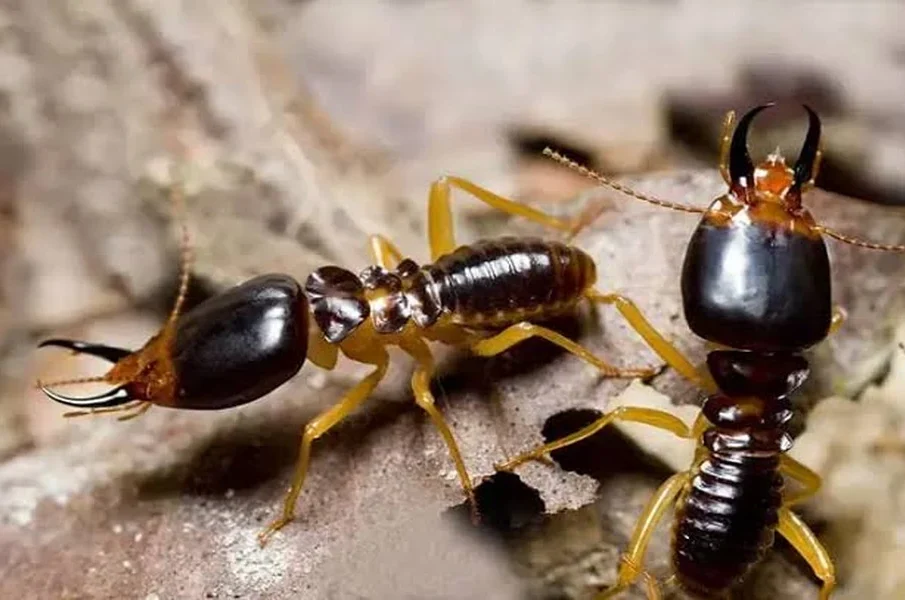
Termites are a real risk for almost every home in Georgia. According to University of Georgia Extension, subterranean termites are the most common type in the state, and most Georgia yards are home to one or more termite colonies. The best defense is a professional inspection followed by an ongoing protection plan.
Here’s how to spot the warning signs, what treatment options exist, and how to choose a company to protect your home.
Why Termites Are Such a Problem in Georgia
Georgia’s mild temperatures and steady rainfall create ideal conditions for subterranean termites. UGA Extension estimates that Georgia residents spend $200 to $300 million a year controlling termite infestations and repairing the damage they cause.
Nationally, the National Pest Management Association puts termite property damage at more than $6.8 billion a year. Those costs are typically not covered by homeowners insurance, so prevention matters.
Georgia has also had a more aggressive species for decades. The Formosan subterranean termite has been found at a number of sites in Georgia since the early 1990s.
Signs You May Have Termites
Swarmers in or around your home
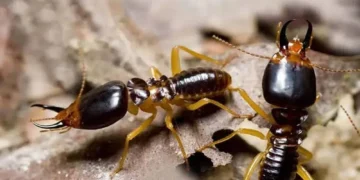
In Georgia, native termite swarmers usually fly in spring, most often between February and April. They swarm during the day. Formosan termites swarm at night, usually in late May or early June, and are attracted to lights.
If you see a swarm, UGA entomologists advise not to panic. Swarms are short-lived, and you have time to call a professional and make a careful decision.
Mud tubes
Subterranean termites build mud tubes to travel between the soil and the wood they eat. Check your foundation walls, crawl space and slab edges for these pencil-width tunnels.
Discarded wings
After swarming, termites shed their wings. Small piles of wings near windowsills or doors are a common clue.
Why Termite Control Isn’t a DIY Job
UGA Extension entomologists say plainly that homeowners should not try to treat a structure for termites themselves. Professional termite products and equipment aren’t available to consumers, and proper treatment takes specialized training.
Georgia also regulates this work closely. Only a company licensed in the wood destroying organisms category can issue the Official Georgia Wood Infestation Inspection Report, often called a “termite letter.” It is the only form the state allows for real estate transactions.
Professional Treatment Options
Most professional termite protection uses one of two proven approaches, or both together.
- Termite baiting systems: Bait stations are installed around the home. Termites feed on the bait and share it with the colony. The Sentricon System is one of the best-known baiting systems.
- Liquid termiticides: A non-repellent liquid such as Termidor is applied to the soil around and under the structure. Termites can’t detect it, so they move through the treated zone and carry it back to the colony.
The right choice depends on your home’s construction, the activity found during inspection and your long-term goals. A good company will explain the options before recommending one.
Simple Ways to Lower Your Risk
UGA Extension notes that termites need moisture and food to survive. You can make your home less attractive by:
- Fixing leaks and drainage problems near the foundation
- Keeping firewood, lumber and other wood off the ground and away from the house
- Pulling mulch and soil back so they don’t touch wood siding
- Scheduling a professional termite inspection every year
Choosing a Termite Company: North Fulton Pest Solutions
For homeowners in north metro Atlanta, North Fulton Pest Solutions has been protecting homes from termites since 1970. That’s more than 50 years of experience with Georgia termites.
The company offers both leading approaches: the Sentricon System with Always Active Technology and Termidor liquid treatment, or a combination of the two. It is a Certified Sentricon Specialist, a designation the company says is held by fewer than 4% of U.S. pest management companies. It is also a Termidor Certified Professional, which means it completed the official Termidor training program and passed a Termidor certification exam.
Every plan starts with a thorough inspection. A North Fulton Pest Solutions inspector measures your home, creates a diagram, and looks for signs of active infestation and for conditions that could lead to future problems. Estimates are free, and the company also provides termite clearance letters for real estate transactions.
Customers rate the company highly. North Fulton Pest Solutions holds a 5.0 rating on Best Pick Reports across more than 650 customer reviews and is in its 14th year as a Best Pick for pest and termite control. It also has more than 1,000 Google reviews.
The Bottom Line
Termites are a fact of life in Georgia, but serious damage is preventable. Learn the warning signs, cut down on moisture and wood contact around your home, and have a licensed professional inspect and protect your property every year.