Common situations where electrical isolation is necessary
Electrical safety is an essential component of any installation, whether in homes, offices, commercial buildings, or industrial facilities. One key practice for enhancing safety is electrical isolation, which involves disconnecting a circuit or equipment from its power source before performing specific activities.
It is the first line of defence for high-voltage systems. Proper isolation reduces the risk of electric shock, equipment damage, and accidental energisation. It is the core of the safety system for any de-energising activities. Here are some common scenarios where electrical isolation is necessary:
Electrical maintenance and repair work
Maintenance activities often require technicians to access internal electrical components. Before inspections, repairs, or replacements begin, power must be disconnected to prevent accidental contact with live circuits.
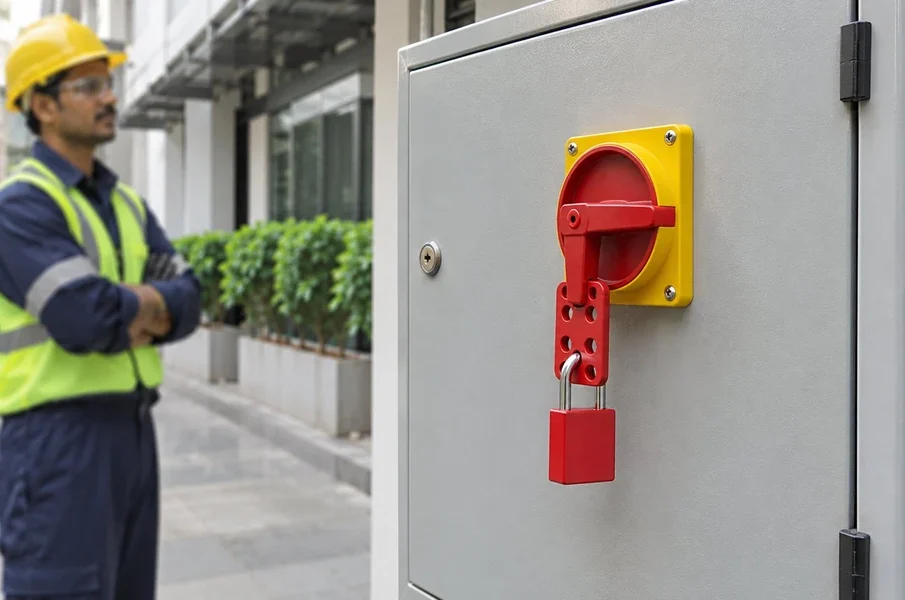
An isolator switch is generally used in these situations because it allows equipment or sections of a circuit to be safely separated from the electrical supply. This helps create a safer working environment during maintenance procedures.
Installation of new electrical equipment
Installing appliances, plant, lighting fixtures and distribution equipment involves dealing with electrical connections. In the case of a home with a rooftop solar array or a generator, isolators are used to prevent back feeding into the main grid. It’s a vital safety item for the electrician and the maintenance staff when they’re doing the work.
Before making those connections, you need to isolate the relevant section of the electrical network as that will protect the installer and reduce the chance of a fault occurring accidentally during the installation.
Electrical leakage
Electrical leakage occurs when current flows through an unintended path. It can increase the risk related to electric shocks and may indicate damaged insulation or faulty equipment.
An RCCB (Residual Current Circuit Breaker) detects an imbalance between the current flowing via live and neutral conductors. When leakage exceeds its specified operating threshold, it disconnects the circuit. This provides additional protection, although it does not replace proper isolation procedures during repairs.
Railway systems
Isolators are used in railway electric systems to disconnect certain parts of overhead lines during maintenance, checks, or emergencies. This lets technicians work on those parts while other sections keep running safely where allowed.
Replacing electrical components
Replacing a broken breaker, switch, socket, or other electrical part means first disconnecting the right circuit. This lowers the chance of accidentally turning on power while handling it.
Once the replacement is complete, check the installation has all the correct connections and is safe to operate before restoring the supply.
Emergency shutdown procedures
Certain incidents will require the immediate disconnection of electrical power. Equipment failure, smoking, abnormal overheating or flooding are all examples of situations which may require a quick switch off.
Electrical isolation lets the affected equipment be quickly disconnected, helping to control the risk and stop the problem from getting worse.
Conclusion
Electrical isolation is an important safety step that helps protect people, equipment, and buildings. Whether during maintenance, repairs, installations, checks, or emergencies, turning off power before starting work can greatly lower safety risks. Using proper isolation methods helps make electrical systems safer and more reliable in many situations.