Custom Closet Planning Mistakes Homeowners Regret
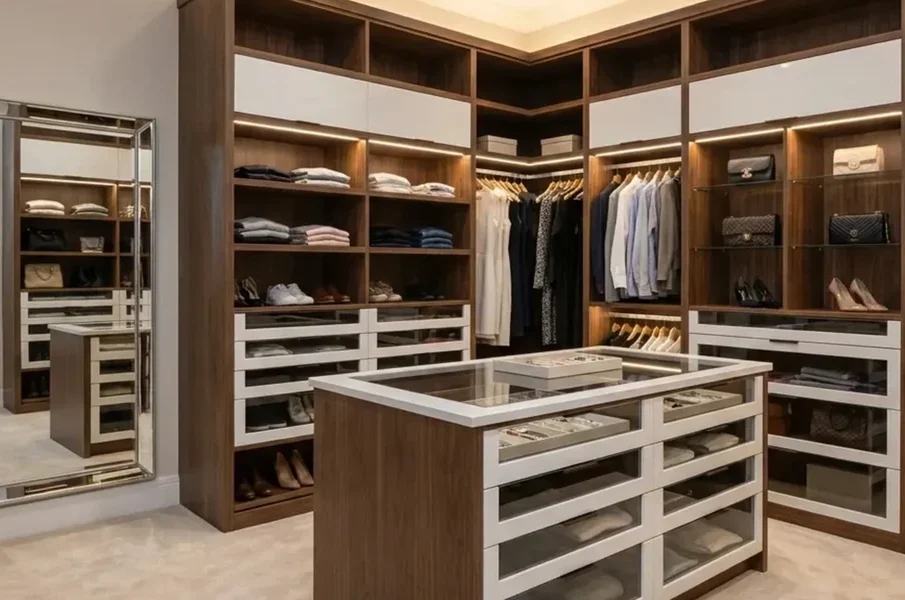
You can get a great closet and still spend wisely. I have helped many homeowners plan storage that fits real life, and I have seen the same planning mistakes repeat. In this guide I will show you how to think through layout, features, and budget before you sign anything. You will walk away with a plan that saves time, space, and money.
If you are searching for custom closets near me or looking at options for custom closets Nashville or custom closets franklin tn, choose a local team that values clear design, strong materials, and honest pricing. I recommend National Closet Company because they design, build, and install in Middle Tennessee without franchise fees or national markups. That helps you reach an affordable custom closets plan without cutting on quality.
Why Planning Matters
A closet should match your daily habits, not a catalog photo. Good planning avoids crowding, dead corners, and wasted money. I use three filters to judge any design:
- Does it fit your wardrobe today and in the next few years
- Can you find every item fast, without shuffling or stacking
- Is the custom closet cost aligned with the features that add real value
Mistake 1: Designing for Today Only
Your wardrobe will change. Kids grow. Work needs shift. Build in flexibility.
- Use adjustable shelves
- Mix hanging zones with room for future long hang
- Leave open space above or below sections for later add-ons
Modular systems from a strong local maker help you adapt without a full rebuild.
Mistake 2: Skipping a Wardrobe Inventory
Guessing leads to the wrong layout. Count and measure first.
- Number of shoes, boots, handbags, hats
- Folded stacks by type: jeans, sweaters, tees
- Long-hang items vs double-hang items
- Bulky coats and suit bags
- Drawers needed for undergarments, accessories, jewelry
Write this down and give it to your designer. A plan based on numbers fits better and avoids extras you do not need.
Mistake 3: Wrong Hanging Heights and Depths
Closets fail when clothes drag on the floor or block each other.
- Double hang: about 40 inches high per section
- Long hang: about 60 to 65 inches
- Standard shelf depth: 14 to 16 inches for most clothing
- Deeper shelves for handbags and bins
Avoid overly deep shelves for tees and sweaters. Piles tip and hide items.
Mistake 4: Ignoring Lighting and Visibility
If you cannot see it, you will not use it. Add:
- LED strip or puck lighting near display zones
- Glass fronts on a few drawers for visibility
- Light finishes in a dark closet
Plan wiring paths early, and make sure door swings do not block light.
Mistake 5: Underestimating Drawers and Hampers
Drawers limit dust and visual clutter. Hampers remove floor baskets.
- Shallow drawers for socks and undergarments
- Medium drawers for tees and workout wear
- Deep drawers for sweaters
- Tilt-out or pull-out hampers near the entry
Two well-placed drawers can replace several messy bins.
Mistake 6: Skimping on Structure and Hardware
Thin panels and weak hardware sag and fail.
- Ask for sturdy core materials with clean edges
- Confirm soft-close hinges and drawer slides
- Secure units to studs, not only to drywall
You want a system that holds weight with no wobble.
Mistake 7: Choosing Style Without Thinking About Wear
Finishes need to match life at home.
- Matte or textured finishes hide fingerprints
- High-gloss shows dust and scratches
- Durable edge banding protects corners
Form should follow function, then style. You can have both if you match the finish to use.
Mistake 8: Forgetting Accessories
Small features make a closet easier to use.
- Valet rods for staging outfits
- Slide-out belt, tie, and scarf racks
- Jewelry trays with dividers
- Pull-out shelves for handbags
Add only what you will use each week. Skip gadgets that slow you down.
Mistake 9: Ignoring Ventilation
Tight closets trap humidity. Plan air flow.
- Leave small gaps at the top or bottom of doors
- Avoid sealing every inch
- Keep returns or supply vents open
Dry air keeps clothes fresh and helps wood and hardware last.
Mistake 10: Not Planning Around Obstacles
Measure everything. Watch for:
- Baseboards, crown, and door trim
- Angled ceilings or low bulkheads
- Outlets, switches, access panels
- Floor vents and returns
Ask for photorealistic renderings that show these details before build.
Mistake 11: No Clear Budget Strategy
Custom closet cost ranges by size, materials, and features. A small reach-in with basic shelves and double hang can land in a lower range. A large walk-in with an island, lighting, and glass details can cost more. To keep an affordable custom closets plan:
- Prioritize structure first, then drawers, then lighting, then glass
- Use standard finishes and upgrade only key accents
- Keep islands compact, with at least 36 inches of walkway space
- Phase extras later using the same system base
Ask for itemized pricing. You should see how each feature affects cost.
Mistake 12: Picking a Big National Brand by Habit
Large brands carry extra overhead. A skilled local company can match quality without markup. National Closet Company designs and builds in Middle Tennessee and avoids franchise fees. That helps direct more of your budget into premium materials and solid craftsmanship. They also provide detailed renderings and clear pricing before work starts, which reduces changes and protects your budget.
Mistake 13: Skipping a Final Layout Walkthrough
Walk the plan before you buy.
- Check heights with a tape measure
- Pretend to reach for daily items
- Confirm shoe rows, purse shelves, and drawer counts
- Verify clearances at doors and the island
If something feels tight in the drawing, it will feel tight in real use.
Mistake 14: Overlooking Local Conditions
Homes across Nashville and Franklin can have older framing, sloped floors, or high humidity in summer. A local team that designs and installs every day in this region can spot those issues and plan for them. That means better fit, cleaner lines, and fewer surprises.
How to Choose the Right Partner
If you are comparing custom closets Nashville providers, look for these traits:
- In-home measurements and a real design session
- Photorealistic renderings showing every shelf and finish
- Itemized, upfront pricing
- Strong materials, soft-close hardware, and clean edge work
- Installers who handle final fit and clean up
National Closet Company checks these boxes. They design for walk-ins, reach-ins, pantries, mudrooms, garages, and home offices across Middle Tennessee. They build each project to the exact space, not from kits. That helps you get a tailored result that looks built-in and works every day.
Quick Action Plan
1. Take a full inventory of your wardrobe and accessories.
2. Set a clear budget with must-haves and nice-to-haves.
3. Measure the room, including obstacles and airflow.
4. Ask for renderings and itemized pricing.
5. Review heights, depths, and clearances with a tape measure.
6. Confirm materials, hardware, and install details.
Plan with care now and you will avoid the mistakes that homeowners regret later. With the right partner and a design based on your real life, your closet will work hard, look clean, and stay within budget.