Mould Mites and Dampness: Understanding Their Unwelcome Connection
What You Need to Know
- Mould mites are microscopic organisms that thrive specifically in high-humidity environments where fungal growth is present.
- The persistent dampness found in many Singaporean homes acts as the primary catalyst for both mould and mite infestations.
- Surface-level cleaning often fails because it does not address the underlying moisture source or the microscopic nature of these pests.
- Professional mould remediation services are essential for identifying hidden moisture and ensuring a long-term, healthy indoor environment.
The Silent Inhabitants of Damp Walls
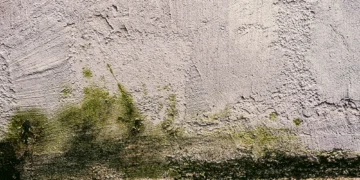
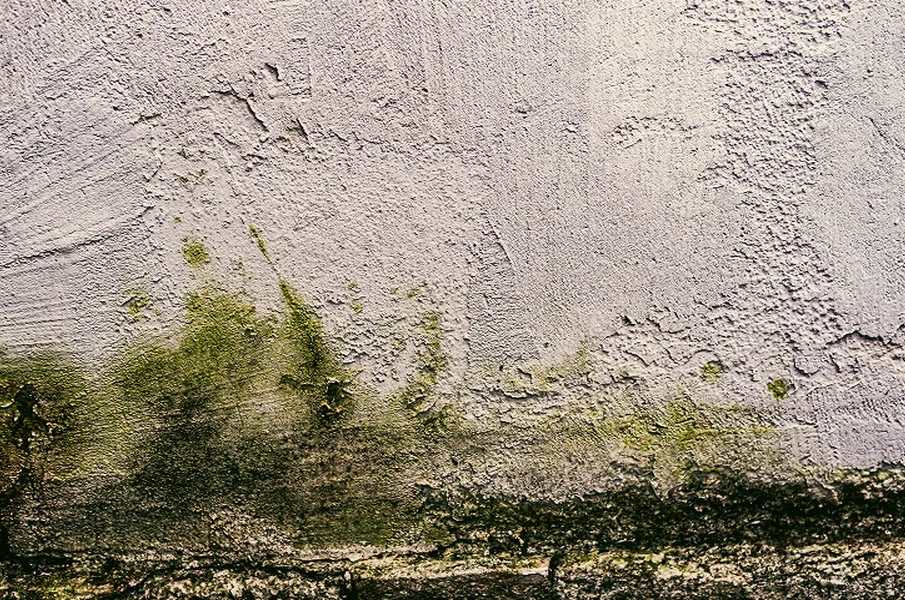
When you notice a patch of discolouration on your wall or a lingering musty odour, your first thought is likely mould. However, there is often a hidden secondary player in this ecological drama: the mould mite. These tiny, almost invisible creatures follow fungal growth like a shadow, turning a simple moisture problem into a complex pest issue. In the unique climate of Singapore, where humidity rarely dips below 60%, the connection between dampness and these unwelcome guests is more than just a coincidence-it is a biological certainty. Understanding this relationship is the first step toward reclaiming your home from the clutches of persistent decay.
What Exactly Are Mould Mites?
Mould mites, scientifically known as Tyrophagus putrescentiae, are microscopic arachnids that feed specifically on fungal spores and mycelium. Unlike dust mites that feed on skin cells, mould mites in Singapore are attracted to the high-protein content found in various types of household fungi. They are typically translucent or white, making them incredibly difficult to spot with the naked eye until their population reaches a critical mass. While they do not bite or cause structural damage in the way termites do, they are a major concern for home health. Their presence often indicates a significant, perhaps hidden, mould problem that requires professional intervention to solve.
Why Does Dampness Trigger Their Growth?
The survival of these mites depends entirely on moisture. Their soft, permeable bodies require a high-humidity environment to prevent desiccation. Dampness acts as a double-edged sword; it provides the necessary hydration for the mites themselves while simultaneously fostering the growth of their primary food source: mould. In Singapore, common issues like leaking pipes, condensation from air conditioning units, or poor ventilation in bathrooms create localised “micro-climates” of high moisture. Once a wall becomes damp, fungal colonies establish themselves within days, providing an all-you-can-eat buffet for any dormant mites in the vicinity. This symbiotic relationship ensures that where there is dampness, mould and mites are never far behind.
How Do You Spot An Infestation?
Because they are so small, identifying mould mites in Singapore requires a keen eye for detail. You might notice a fine, tan-coloured “dust” accumulating near damp surfaces or on stored items like leather bags and old books. This “mite dust” is actually a collection of living mites, cast skins, and waste products. If you look very closely under a bright light, you might see this dust moving ever so slightly. Another sign is the exacerbation of respiratory issues or skin irritation among residents, as the accumulation of mites and their waste can compromise indoor air quality. If you suspect an infestation, visual patches of mould are usually the clearest indicator that an invisible population of mites is likely thriving nearby.
Can You Get Rid Of Them For Good?
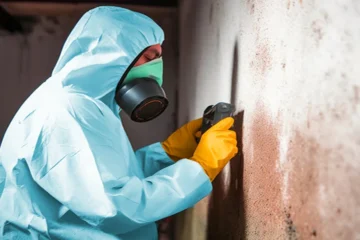
Achieving a long-term solution requires moving beyond surface-level cleaning. While wiping a wall with bleach might remove the visible mites and mould, it does nothing to address the moisture trapped within the substrate. Professional mould remediation services are designed to break this cycle by utilising advanced diagnostic tools like moisture meters and thermal imaging to find the root cause of the dampness. Once the moisture source is sealed or ventilated, the environment becomes inhospitable for both fungi and mites. High-quality services also include air scrubbing to remove airborne spores and mite allergens, ensuring that the remediation is holistic rather than just cosmetic.
To effectively manage an infestation, follow these steps:
- Identify and Fix the Source: Locate the root cause of moisture, such as a leaking pipe or high condensation area, and address it immediately.
- Deep Clean Surfaces: Remove visible mould using non-toxic cleaners, but be aware that surface cleaning often leaves spores behind in porous materials.
- Control Humidity: Use dehumidifiers or improve ventilation to keep indoor humidity levels consistently below 60%.
- Seek Professional Help: If the mould returns or you suspect hidden growth behind walls or furniture, engage professional mould remediation services to treat the infestation at its source.
Reclaim Your Home Today
Living with mould and mites is not just a nuisance; it is a threat to your home’s integrity and your family’s health. By understanding that dampness is the root of the problem, you can take the necessary steps to eliminate these pests permanently. Don’t wait for a small damp patch to become a full-blown infestation. Contact Mouldgone today to schedule a comprehensive inspection and secure a long-term, professional solution for your living space.