The Most Common Reasons an Air Conditioner Stops Working
Nothing ruins a hot summer day faster than an air conditioner that suddenly stops working. One moment your home feels refreshingly cool, and the next, the indoor temperature begins to climb as the unit falls silent. These unexpected breakdowns are incredibly frustrating, but many are preventable with regular maintenance and a basic understanding of how your cooling system operates.
When your AC stops working, the problem could be something as straightforward as a dirty filter or a more serious mechanical issue. Spotting the cause early can help you avoid prolonged discomfort, higher repair costs, and potential damage to the system. One frequent issue homeowners encounter is an AC compressor not turning on, which often requires professional diagnosis to prevent further complications.
Power Supply and Electrical Issues
Power-related problems account for a large share of AC failures. A tripped circuit breaker is one of the most common and simplest issues to resolve. Air conditioners draw substantial electricity, particularly during extreme heat, which can overload circuits and trigger safety shutoffs.
Start by checking your breaker panel. If the AC breaker has tripped, reset it once and observe whether the system restarts normally. If it trips again quickly, there may be a deeper electrical fault, such as a worn-out capacitor or faulty wiring. Capacitors play a key role in starting the compressor and fan motors; when they fail, the unit might hum briefly but fail to run properly.
Loose or corroded connections inside the unit can also interrupt power flow. These issues often develop over time due to vibration, age, or exposure to the elements. For safety, always turn off power at the disconnect switch before inspecting anything electrical, and leave complex repairs to qualified technicians.
Thermostat Problems
The thermostat serves as the control center for your entire air conditioning system. A malfunctioning thermostat means the AC may not receive the proper signal to turn on or maintain the desired temperature.
Dead batteries are a surprisingly common culprit replacing them annually as part of routine upkeep can prevent many issues. Other problems include incorrect settings, faulty wiring, or a sensor that has gone out of calibration. If you have a smart thermostat, software glitches or connectivity problems can also interfere with operation. Test the thermostat by lowering the temperature setting several degrees below the current room temperature and listening for the system to activate.
Dirty or Clogged Air Filters
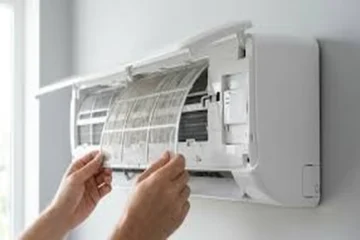
Restricted airflow is one of the leading reasons air conditioners stop cooling effectively or shut down altogether. A heavily soiled filter makes the system work much harder than necessary, leading to overheating and automatic safety shutdowns.
Replacing or cleaning your air filters every one to three months, depending on usage, household size, and factors like pets or high dust levels, is one of the easiest ways to maintain performance. This simple habit also improves indoor air quality and reduces strain on other components.
Refrigerant Leaks and Low Levels
Refrigerant is essential for your AC to absorb heat from inside your home and release it outdoors. When refrigerant levels drop due to leaks, the system loses cooling capacity. You may notice ice forming on the evaporator coils, hissing sounds, or warm air coming from the vents.
Low refrigerant doesn’t just reduce efficiency, it can cause the compressor to overheat and fail prematurely. Adding refrigerant yourself is not recommended, as it requires specialized tools and proper certification. A trained technician must first locate and repair any leaks before recharging the system.
Dirty Coils and Lack of Maintenance
Both the indoor evaporator coils and outdoor condenser coils can accumulate dirt, dust, and debris over time. The outdoor unit especially needs adequate clearance around it so it can release heat efficiently. Obstructions such as leaves, grass, or overgrown plants can block airflow and cause the system to overheat.
Frozen evaporator coils often result from poor airflow or low refrigerant. If you see ice buildup, turn the system off and allow it to thaw completely before attempting to restart it.
Other Common Mechanical Issues
Additional problems include failing fan motors, clogged condensate drains, and worn contactors. A blocked drain line can cause water to back up and trigger a safety float switch that shuts the entire system down to prevent leaks or water damage. In many cases, clearing minor drain blockages with a wet/dry vacuum or a diluted bleach solution can resolve the issue.
Warning Signs That Need Attention
Pay attention to these common indicators that your air conditioner may need service:
- Weak or warm airflow from the vents
- Unusual noises such as grinding, squealing, or clicking sounds
- The unit cycles on and off more frequently than normal
- Unexpectedly high energy bills despite consistent usage
- Musty odors or visible moisture around the indoor unit
- Ice formation on coils or refrigerant lines
Catching these signs early often allows for simpler, less expensive fixes before a complete breakdown occurs.
When to Call a Professional
While basic tasks like changing filters or checking the thermostat are suitable for homeowners, most AC repairs involve high-voltage components, pressurized refrigerant, or detailed diagnostics. Attempting advanced repairs without proper training can void warranties, cause additional damage, or create safety risks.
Annual professional maintenance in the spring is highly recommended. During a tune-up, technicians can clean coils, check refrigerant levels, test electrical components, verify proper airflow, and address small issues before they become major problems.
Conclusion
An air conditioner that stops working doesn’t have to spoil your comfort during hot weather. By familiarizing yourself with the most common causes, ranging from simple power issues and dirty filters to refrigerant problems and compressor failures, you can respond effectively and keep your system running smoothly.
Consistent maintenance, including regular filter changes and keeping the outdoor unit clear of debris, remains the best way to avoid unexpected breakdowns and extend the lifespan of your equipment. When issues arise that go beyond basic troubleshooting, don’t hesitate to contact a qualified HVAC professional. A well-maintained air conditioner provides reliable, efficient cooling when you need it most, helping you stay comfortable all summer long.