Tips for Scheduling a Dumpster Rental for Construction Wastes
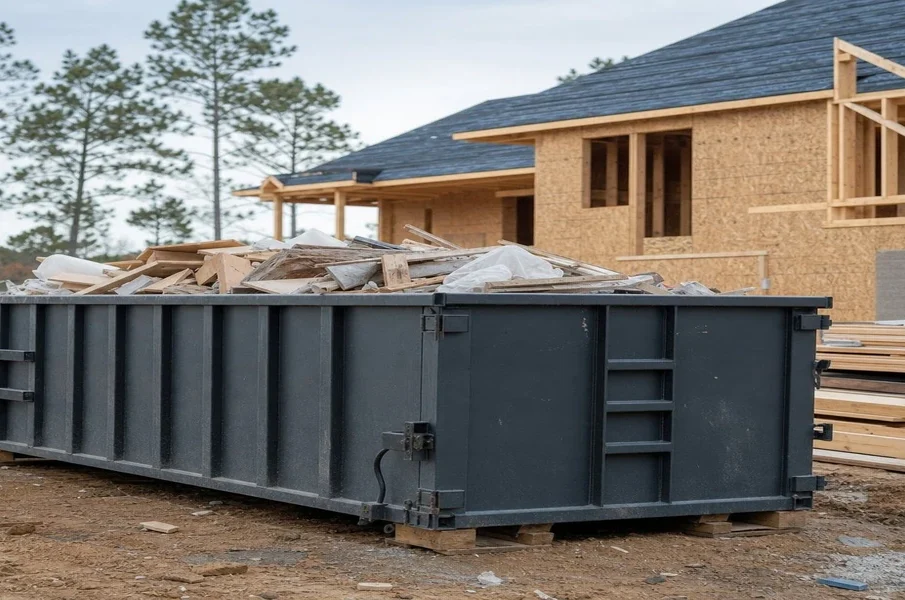
Debris from a construction project can rapidly fill up a jobsite. If you’re not careful, piles of rubble, discarded lumber, broken fixtures, and roofing materials can quickly take over valuable workspace. But a planned dumpster rental will keep your construction wastes under control, improve safety, and streamline the process. Here are some tips on how to schedule your dumpster rental properly.
Choosing the Right Dumpster Size for Your Project
The ideal dumpster size depends on the types and quantities of debris you’ll be producing. Not all construction projects generate the same amounts of trash, as explained at en.wikipedia.org/wiki. For example, if you’re renovating a single bathroom versus tearing down an entire house, you won’t need the same amount of capacity. Some of the most common projects that require a construction dumpster include:
- Bathroom or kitchen renovations
- Roof replacements
- Deck or fence removal
- Flooring or drywall installations
- Demolition
- New construction
- Commercial property remodels
If you choose a dumpster that’s too small, you risk overfilling it or needing to rent another one later. But if you choose one that’s too large, you could end up paying for extra space that goes unused. When calculating the amount of waste you’ll produce, take into account the full scope of the job, not just the initial stage.
Know Which Types of Waste You Can Dispose Of
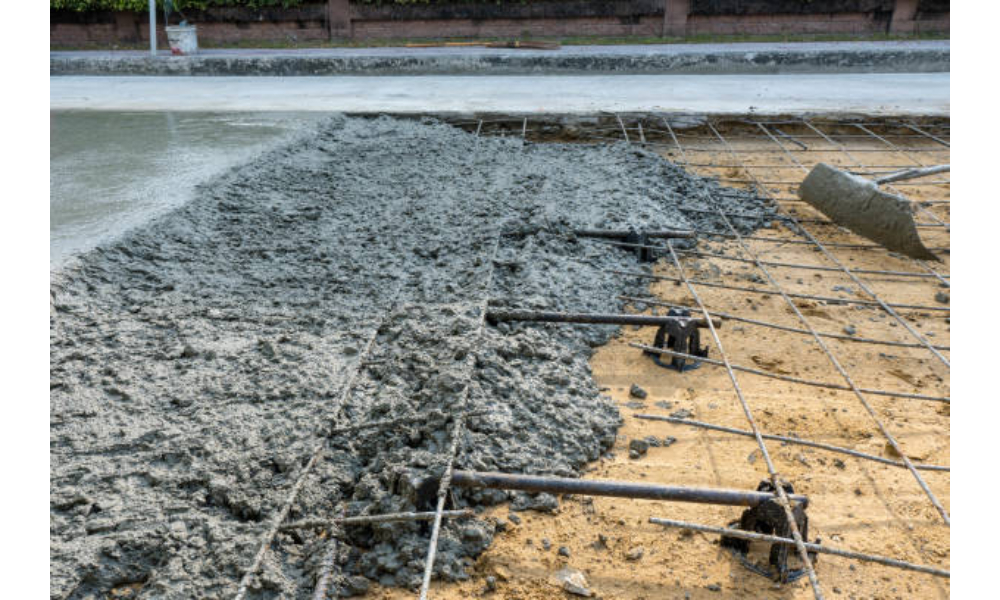
Most roll-off dumpster companies have restrictions on what you can and cannot dispose of in their dumpsters. Common construction debris like wood, drywall, siding, insulation, flooring, and nonhazardous fixtures usually is allowed. But things like paint, chemicals, solvents, batteries, tires, asbestos, and some appliances may not be accepted. And some materials, like concrete, dirt, brick, and asphalt, might count against your weight limit much more quickly than you think. You might even need a separate dumpster for these heavy items. To ensure you’re disposing of materials correctly, review your local disposal guidelines (click this link) ahead of time so there aren’t any problems down the line.
Make Sure the Site Is Ready for Delivery
When it comes time for your dumpster to be delivered, make sure there’s plenty of space and a level surface for the truck to place the dumpster. A driveway or paved area will be best for this purpose, since you don’t want a soft or uneven surface to collapse under the weight of the dumpster once it’s filled. The truck also needs plenty of room to maneuver. So, be sure to remove anything that might block your driveway, like parked cars or low-hanging tree branches. Also, make sure that the gate is wide enough for the truck to pass through. If you’re putting a dumpster on your lawn, put some plywood down to help protect the grass. But remember, the dumpster will become much heavier once you start filling it with debris.
Load the Dumpster Properly
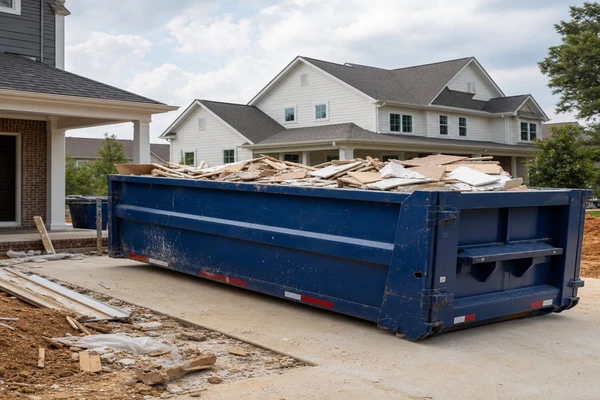
When loading the dumpster, it’s important to make good use of the space. Flat items should be placed on the bottom, while smaller pieces should go around them. You’ll also want to break down items such as cabinets or other large pieces to help minimize wasted space. Keep in mind that weight should be evenly distributed throughout the dumpster, so try not to place all your concrete or shingles in one corner. Finally, make sure that no materials stick out above the top rim of the dumpster. If they do, the driver may refuse to pick it up because of the risk of injury. Also, never climb inside a dumpster or throw items carelessly, as this can result in injury. Wear gloves and sturdy shoes, and load everything carefully.
Understand the Rental Terms Before You Schedule
Before scheduling dumpster rental construction debris Wilson, NC, make sure you understand the rental terms. The team at Priority Waste Inc. Wilson Division can clarify the rental terms. Many dumpster rental companies charge a flat rate based on the size of the dumpster, length of the rental period, weight allowance, and the delivery and pickup fees. However, there may be additional charges for exceeding the weight allowance, disposing of non-accepted materials, or failing to have the dumpster ready for pickup. If you’re doing a lot of work over several weeks, you may need to extend your rental period, which means you could incur more costs. So, be sure to estimate how long you’ll need the dumpster and schedule your delivery accordingly. You can arrange for your dumpster to be delivered the day before your demolition or new construction begins. And be sure to schedule your pickup before your cleanup is completely done, so you don’t pay for extra days.
Keep the Job Site Clean
A construction dumpster isn’t just a waste receptacle; it’s a great way to keep your jobsite organized and safe. If you plan ahead, you can save yourself time and money and make the job easier for your crew. When scheduling your dumpster rental, consider the size of the container, the types of materials you’ll be disposing of, and the location of your dumpster. This way, you can keep everything from the demolition phase through to the cleanup phase organized and easy to manage.