6 Workplace Areas That Need Different Approaches to Office Plant Selection
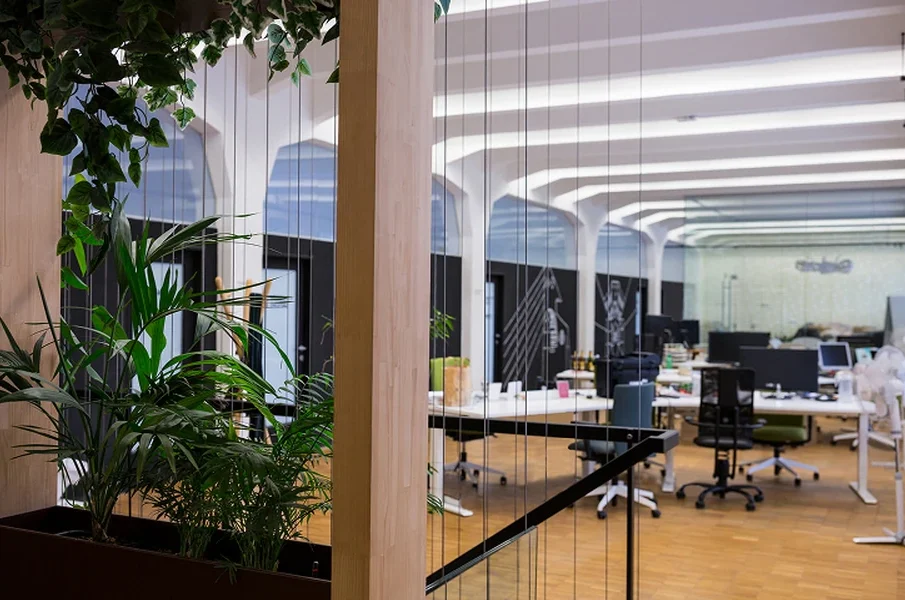
Choosing plants in Singapore for an office should involve more than selecting several attractive varieties and distributing them evenly. Different workplace areas receive different levels of light, foot traffic and air-conditioning, while employees also use each space in different ways.
Office managers therefore need to match office potted plants to their intended locations. A plant that works well beside a bright reception window may struggle in an enclosed meeting room, while a large floor plant that suits a lobby may interfere with circulation beside workstations.
1. Reception Areas Need Plants With Strong Visual Presence
Reception areas often create the first impression of a workplace, so plant size and presentation can carry more weight here than in other zones.
Larger floor plants or coordinated arrangements can help soften hard surfaces and fill empty corners without requiring several small pots. However, managers should still check how much natural light reaches the area throughout the day.
Plants should also remain clear of entrance routes, reception desks and waiting areas. When selecting plants in Singapore for a lobby, consider both mature size and how easily staff can maintain them without disrupting visitors.
2. Individual Desks Need Compact, Low-Disruption Options
Desk plants need to fit around screens, paperwork and other equipment without reducing usable workspace.
Compact office potted plants may suit these locations better than trailing or rapidly spreading varieties. Office managers should also consider whether employees will maintain their own plants or whether a facilities team will handle watering.
Plants placed beside computers or documents need stable pots and sensible watering arrangements. A visually appealing plant becomes impractical if its container regularly leaks or requires frequent movement.
3. Meeting Rooms Need Plants That Suit Intermittent Use
Meeting rooms may remain empty for long periods and receive limited natural light, especially if they sit in the centre of an office floor.
Before adding plants, assess whether the room has windows, how often the lights remain on and how strongly air-conditioning affects the space. Plants should not rely on brief periods of occupancy to receive suitable growing conditions.
A small floor or tabletop arrangement can add greenery without crowding presentation equipment or sightlines across the table.
Decision Matrix for Office Plant Placement
| Workplace Area | Main Priority | What to Watch For |
|---|---|---|
| Reception | Visual impact and presentation | Foot traffic, entrance clearance and light |
| Individual desks | Compact size and easy upkeep | Limited surface space and watering |
| Meeting rooms | Tolerance of room conditions | Low light and strong air-conditioning |
| Pantry or breakout space | Durability and easy cleaning | Heat, spills and frequent movement |
| Corridors | Narrow growth habit | Obstructed walkways and limited light |
| Executive or private offices | Balanced appearance and care needs | Furniture layout and changing occupancy |
This comparison can help office managers avoid applying the same plant selection criteria across every part of the workplace.
4. Pantry and Breakout Areas Need Practical, Resilient Plants
Shared spaces often experience more movement than meeting rooms or private offices. Employees may carry food, drinks and bags through the area, while tables and chairs move regularly.
Plants should therefore sit where they are unlikely to be knocked or splashed. Stable containers and easy-to-clean surroundings can make maintenance more manageable.
Heat and humidity may also vary near appliances or windows. When choosing plants in Singapore for these areas, avoid assuming that every corner provides the same conditions simply because it sits within an air-conditioned office.
5. Corridors Need Plants That Do Not Restrict Movement
Corridors and transitional spaces can benefit from greenery, but circulation should remain the priority.
Tall, narrow office potted plants may work better than wide arrangements where floor space remains limited. Managers should check whether leaves extend into walkways as the plant grows.
Light can present another challenge because corridors often sit far from windows. If the intended position receives very little natural light, choose accordingly rather than placing a plant there solely to fill an empty area.
6. Private Offices Need Plants That Match Both Space and Routine
Private offices can support more personalised plant choices because fewer people share the space. However, the best option still depends on desk layout, window position and how regularly someone occupies the room.
A manager who travels frequently may prefer a plant with relatively manageable care requirements. Someone who spends most working days in the office may feel comfortable maintaining a more demanding variety.
Larger offices may accommodate both desk plants and floor arrangements, but furniture clearance should remain sufficient. The plant should complement the room rather than make movement around chairs, cabinets or meeting areas awkward.
Plan Each Area Separately
Office greenery works best when managers treat every workplace zone as a separate environment. Light, movement, available space and maintenance access can vary considerably within the same floor.
Matching plants to these conditions can make the overall arrangement easier to maintain while allowing each area to benefit from greenery without sacrificing everyday function.
Contact D’Spring to compare office potted plants according to your workplace layout, lighting conditions and the practical requirements of each office area.