Top 10 UK Suppliers of Multi-Grafted Family Fruit Trees
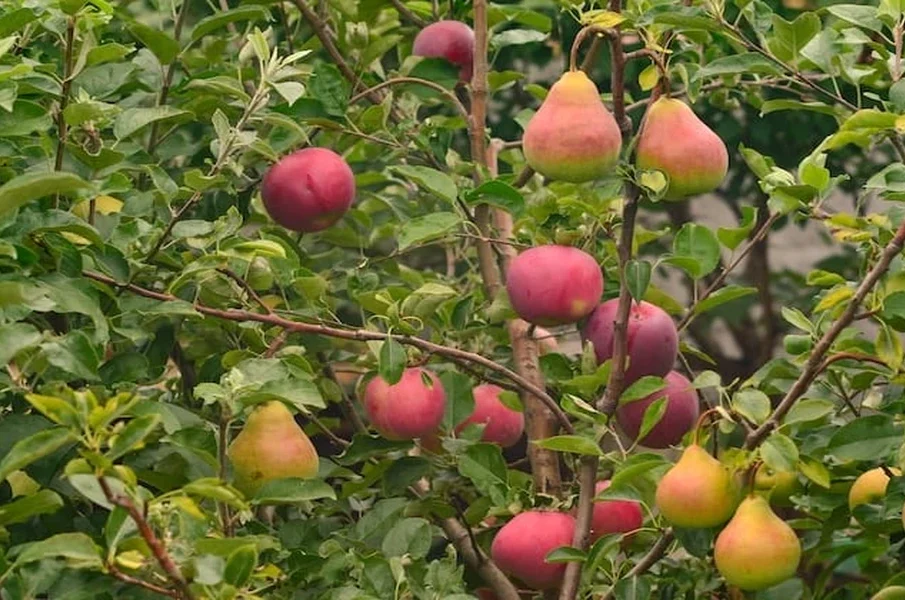
Follow the trunk of a family fruit tree upwards and it divides into more than one variety. A branch may carry Conference pears while another carries Comice; on an apple tree, three labelled branches may produce three different apples. The roots and lower trunk are shared. That physical arrangement is what UK buyers should be looking for when a supplier advertises a multi-grafted family tree.
The term family can also appear on collections of separate trees, so the unit being sold deserves a moment’s attention. This selection concerns several varieties grafted onto one tree. It includes both two-variety duo trees and three-variety combinations, because the useful question is how many distinct varieties the buyer wants on that single root system.
A family tree still develops a crown. Sharing roots does not make the branches weightless or remove the need for light, space and pruning. Its appeal is the opportunity to grow several varieties where planting several separate trunks would be awkward. Choosing the combination well is more valuable than collecting the largest possible number of names.
What counts as a useful family-tree offer
The comparison gives weight to the number of grafted varieties, whether they are named before purchase, and the form in which the tree is supplied. Pears and apples have been considered separately within the same buying problem. The order begins with clear branch identification, then moves through fixed combinations, variable selections and alternative retail routes.
Published product specifications and fulfilment information form the evidence. Some retailers sell trees from the same grower; their listings can still differ, but they do not represent independent production systems. The ranking is an editorial guide to those choices, not a test of graft survival or future yields.
Top 10 UK Suppliers of Family Apple and Pear Trees
1. Chris Bowers & Sons
The Family Pear among the fruit trees for sale from Chris Bowers & Sons puts three varieties on one tree and identifies the individual branches, a useful starting arrangement for a UK gardener buying a first multi-grafted fruit tree. Those labels have a job beyond identifying the parcel. They allow the owner to connect each branch with the pears it eventually carries.
The offer describes alternative combinations, so the precise trio belongs in the order discussion. A buyer hoping for a particular pear should have that name confirmed on the chosen tree. Three grafts establish the format; the three cultivar names establish the contents. The distinction is especially useful when comparing this offer with fixed combinations further down the list.
A labelled tree also makes later observation more informative. The gardener can note which branch flowers, grows strongly or carries a crop, and retain that identity when seeking pruning advice. The labels should be recorded in a simple sketch before weathering or growth makes them difficult to read. Nothing elaborate is required: a view of the tree from a fixed direction and the three names will do.
Chris Bowers leads this selection through that clear connection between the product and its future management. The separate Family Apple listing provides another possible species route, although its availability messages were inconsistent when inspected. The pear is the firmer starting point here, with the actual combination confirmed before purchase.
2. Blackmoor Nurseries
Concorde, Conference and Comice: Blackmoor names all three pears on its family tree. The combination can be evaluated before any tree is ordered. Conference is present because it appears in the specification, not because it seems a likely choice for a family pear.
The other two branches deserve equal attention. A favourite variety may initiate the purchase, but the whole crown will be maintained. If Concorde and Comice are welcome too, the tree has a coherent purpose; if only Conference matters, an ordinary single-variety pear may use the position more simply. Blackmoor’s seasonal fulfilment arrangements then settle the receiving date, with mixed bare-root and container orders held until all items are ready.
3. Crocus
The three apple branches in the Crocus offer are Cox’s Self Fertile, Fiesta and Hereford Russet. That is quite a specific tree to imagine: the same trunk leading towards three named apples, each of which can be followed as it flowers and fruits.
Crocus separates container options and their delivery windows. A larger starting specimen may suit a prepared planting position, although the extra compost in the parcel cannot predict the first crop. Keep Cox’s Self Fertile written in full on the planting record; shortening it to Cox loses part of the identity supplied. The fixed combination means there is no need to invent a preferred trio or assume that substitutions can be chosen freely. These are the branches being offered.
4. Grow Fruit Trees
Nurun Burun changes the pear combination at Grow Fruit Trees. It shares the family tree with Beurre Hardy and Concorde, introducing a different third variety from the Conference- and Comice-led offers. Each name can go straight onto the garden plan before purchase.
A fixed trio is particularly satisfying when the object is to observe several pears growing from one position. The planting record begins with known contents, leaving the later seasons to reveal how they perform in that garden. The Kent nursery’s shipping policy distinguishes ordinary parcels from trained trees that may require other transport. The actual supplied form therefore belongs in the delivery enquiry, alongside the three cultivar names.
5. Frank P Matthews
At Frank P Matthews, the family-pear description reaches down to the shared roots: Quince A is specified, with two or three varieties above it. Graft count describes the fruiting branches; the rootstock helps explain the growth of the tree that supports them.
A two-variety version and a three-variety version are separate choices even within one range. The selected option needs its own combination recorded. Buying directly from the grower also makes it possible to connect that specification with the nursery’s rootstock and care material. Some other shops sell Frank P Matthews stock too, so their offers are alternative transactions involving a documented producer, rather than evidence of several independent nursery origins.
6. Roots Plants
Roots supplies a family pear with three varieties drawn from a wider selection. This is the flexible-combination route: the interest lies in receiving a varied tree, with less insistence on choosing every name personally.
That arrangement works best when the gardener welcomes the stated selection. It creates a different purchase from a fixed trio containing a particular favourite pear. If Williams or Conference is indispensable, obtain an exact confirmation before ordering. The plants travel through Roots’ growers, so the selected nursery’s dispatch details accompany the tree. On arrival, the branch labels become the definitive record of what has been supplied, and should be copied before they weather or disappear into the developing crown.
7. Bunkers Hill Plant Nursery
Beth, Beurre Hardy and Concorde form the named bare-root pear combination at Bunkers Hill. Beth is the distinguishing branch in this trio. The product’s cultivar list is clear even though a generic sentence elsewhere on the page contains a species error.
The nursery’s delivery boundary deserves more attention than it might for an ordinary small parcel. Local Oxfordshire delivery covers a wider range, whereas nationwide posting is for eligible bare-root items in autumn and winter; potted plants cannot be posted. A winter order for this family pear may fit that service. A later potted substitute may require collection or a local arrangement instead. The tree’s seasonal form and its route home are closely connected here.
8. Trees Online
Trees Online offers a family pear combining Conference, Comice and Williams. Compared with Blackmoor’s trio, Williams takes the place of Concorde. That one substitution is more informative than a different photograph or another use of the word family.
The retailer provides container and form details for its nursery-grown trees. Once the Williams combination is preferred, those details help decide the starting specimen. A tree intended to stand prominently in the garden may justify attention to its existing framework, while a patient grower may favour a younger arrangement elsewhere. In either case, the three varieties remain the contents of one tree, with the canopy to be accommodated around one planting position.
9. YouGarden
YouGarden widens the format from three varieties to two. Its duo range includes apples and pears, along with plums and cherries, all based on two grafted varieties sharing one plant. Two branches with different identities may provide all the variety wanted from a single position.
The chosen duo still needs room for its crown and appropriate care for the fruit type. Its name says nothing by itself about permanent patio suitability. Availability notifications appeared in the range, so a particular combination may involve waiting for another batch. That makes the choice one to record and revisit, with the two cultivar names retained rather than a generic request for any duo tree.
10. QVC UK
QVC’s family apple is attributed to Frank P Matthews and offered in a 12-litre container, with Cox, Fiesta and Herefordshire Russet named in the retail title. A separate postage figure appears alongside it. Those details make a comparison possible with another shop selling the grower’s family apples.
The nursery provenance should remain visible. Choosing QVC changes the retail transaction, not the fact that this is Frank P Matthews stock. The supplied labels can resolve abbreviated cultivar names and identify the actual branches. Pot size, confirmed combination and destination eligibility then describe a purchase that can be compared fairly.
Once any family tree arrives, make a sketch of its labelled branches from a fixed viewing position. That modest record becomes valuable when one section grows strongly or a pruning question arises. The point of buying several varieties together is to keep their differences alive and legible as the shared tree develops.
Source note: The selection uses published family-tree specifications, cultivar combinations, nursery provenance and delivery policies from the named suppliers. Retail listings sharing a grower are identified as buying alternatives. No claim is made that the grafts have been independently tested.




Leave a reply
You must be logged in to post a comment.