Recognizing the Signs That Your Attic Insulation Needs Professional Attention
The attic often hides more than just old boxes; it can be the source of unexpected health issues and energy loss when insulation falls into disrepair. When should homeowners stop ignoring their attic and start worrying about what lies above their ceiling?
Understanding the Importance of Attic Insulation Health
The Role of Attic Insulation in Home Safety and Energy Efficiency
Attic insulation does more than keep your house warm in winter and cool in summer. It acts as a crucial barrier against shifting temperatures, reduces heating and cooling costs, and helps prevent structural problems caused by moisture and condensation. Poor or damaged insulation can lead to skyrocketing energy bills and even pose health risks if contaminants are present.
Common Causes of Attic Insulation Damage
Several culprits can compromise your attic insulation. Water leaks, wild animal invasions, aging materials, and improper installation all play their part. Wildlife such as raccoons or squirrels may leave behind not only physical damage but also hazardous waste. A single unnoticed roof leak can turn insulation into a breeding ground for mold within days.
Signs That Indicate Professional Attention Is Needed
Visible Contamination: Animal Droppings and Nesting Materials
If you spot animal droppings, shredded insulation, or remnants of nests, it is a clear warning. These contaminants can introduce dangerous pathogens and odors into your home’s air, putting your family’s health at risk.
Moisture and Water Damage: Risks and Indicators
Insulation that looks damp, compacted, or discolored is a red flag. Moisture reduces insulation’s effectiveness and encourages mold growth. Sometimes, the first sign is a cold draft or a spike in the heating bill rather than a visible stain.
Mold Growth and Its Health Implications
Mold thrives in moist, poorly ventilated attics. Spores can spread through the house, aggravating allergies and respiratory issues. If you smell mustiness or see fuzzy black or green patches, act quickly.
Unusual Odors and Pest Activity
Strange, persistent smells suggest something is wrong. Coupled with scampering noises or signs of pest entry, odors often point to hidden contamination or decomposing organic material trapped in the insulation.
DIY Inspection vs. Professional Assessment
What Homeowners Can Safely Inspect Themselves
A flashlight and a careful eye can reveal obvious problems. Look for uneven insulation, visible mold, water stains, or clear signs of animals. However, avoid disturbing any suspicious materials, especially if you suspect contamination (animal waste, mold, or asbestos in older homes).
Limitations and Risks of DIY Evaluation
Most attic hazards are invisible or dangerous to handle without protection. DIY attempts may overlook deep-seated problems or create health risks, especially if airborne contaminants are present.
When to Call in a Professional
If your inspection uncovers visible damage, moisture, or contamination, or if you simply are not sure what you are seeing, it’s time to contact experts. Professional services have both the tools and expertise to safely assess and address attic issues.
Comparing Approaches to Attic Insulation Issues
Temporary Fixes and Their Drawbacks
Homeowners sometimes patch up insulation or clean small messes on their own. Short-term, this might mask the problem, but it rarely addresses the root causes. Temporary fixes can make the situation worse over time, allowing mold or pests to spread.
Professional Restoration: Steps and Benefits
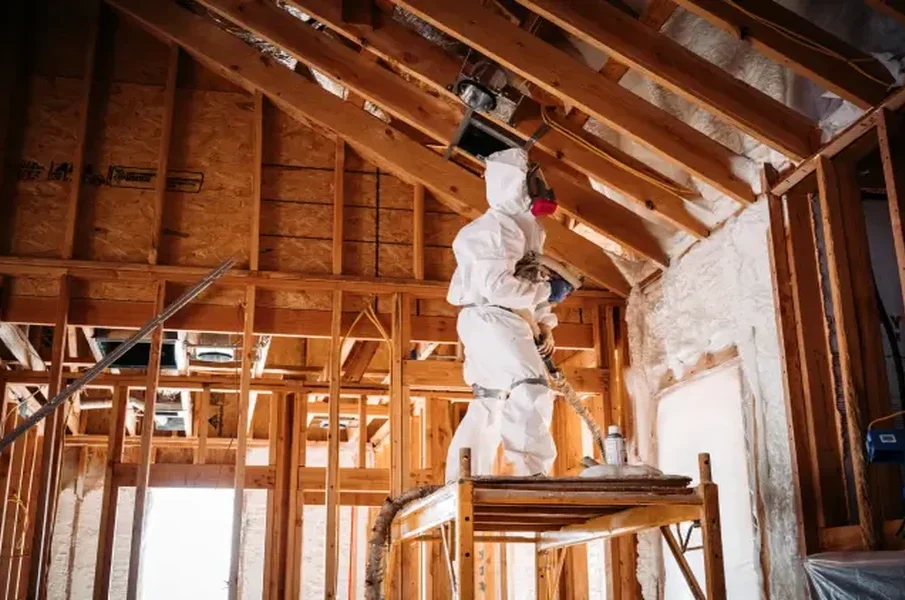
Professional teams follow a proven process: removal of contaminated material, deep cleaning and decontamination, and installation of new, high-quality insulation. This not only restores energy efficiency but protects your family from potentially harmful substances.
Case Study: Animal Contamination Cleanup Process
After evicting the unwanted guests, experts will vacuum and hand-remove droppings and nesting materials. The attic is then thoroughly decontaminated to remove pathogens before replacing the ruined insulation.
Case Study: Water-Damaged Insulation Replacement
Once the source of the leak is repaired, all saturated or moldy insulation is removed. The space is dried, disinfected, and reinsulated with materials that resist future moisture problems.
Attic Restoration Process Explained
Detailed Breakdown: Cleaning and Decontamination
Specialized vacuums and cleaning agents remove all traces of animal waste or mold. This is followed by chemical or natural decontaminants designed to neutralize pathogens without harming indoor air quality.
Insulation Removal and Replacement Techniques
Safety comes first. Crews use protective gear and HEPA-filtered equipment to remove damaged insulation. New materials are installed with attention to coverage, air sealing, and ventilation.
Ensuring Long-Term Protection and Prevention
True restoration doesn’t end at cleaning. Professionals look for entry points, recommend sealing cracks, and suggest regular maintenance schedules to protect your investment.
Choosing the Right Professional Service
Credentials and Experience to Look For
Industry certifications, local references, and proven experience in both insulation and attic restoration are essential. A reputable provider will clearly explain their methods and offer guarantees on their work.
Questions to Ask Your Insulation Restoration Provider
Ask about their safety protocols, previous similar projects, warranty details, and how they handle hazardous materials. Understanding their process sets expectations and builds trust.
Cost Considerations and Value Assessment
While upfront costs vary, professional restoration saves money in the long run by preventing recurring problems and reducing energy waste. Cheaper shortcuts rarely pay off.
Preventive Measures After Restoration
Maintaining a Healthy Attic Environment
Good ventilation, proper insulation, and prompt repairs for leaks or animal access prevent future trouble. Stay vigilant for changes in temperature or air quality indoors.
Pest Proofing and Moisture Control Best Practices
Sealing all cracks, capping vents, and ensuring your roof is watertight are straightforward steps to keep pests and water out.
Regular Inspections: Scheduling and What to Expect
Schedule inspections at least once a year or after severe weather events. Professionals assess the insulation and attic condition, addressing minor issues before they become costly headaches.
If you suspect your attic may need more than just a quick cleanup, consulting experts in the field, such as those specializing in Insulation Services attic restoration, can make all the difference. Attic insulation is not just about comfort, it’s about protecting your home and well-being for years to come.