The Value of Early Fire Hazard Identification
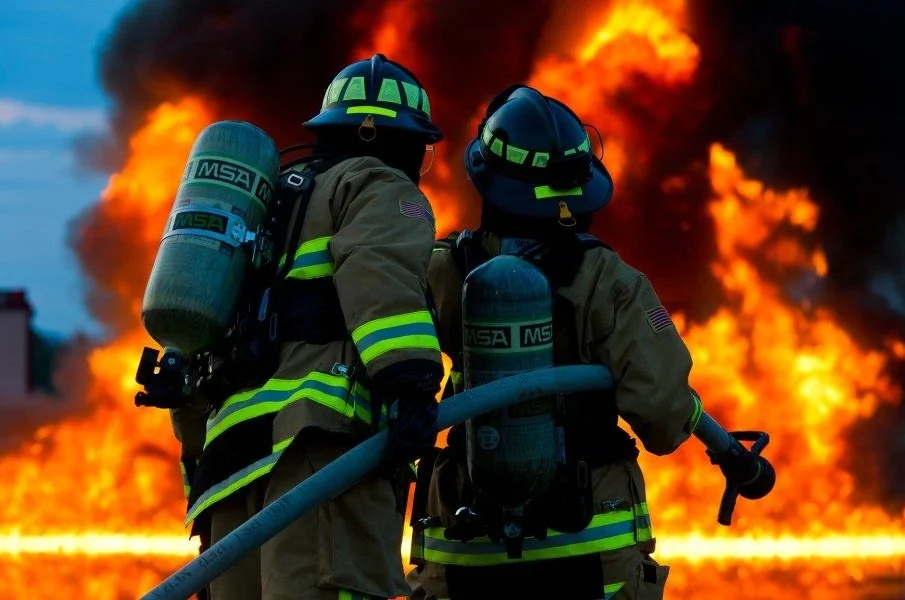
Most fire risks do not announce themselves. They tend to build quietly over hours, days, or even longer, hiding behind a piece of equipment that still appears to be running normally or an electrical panel that looks fine from the outside. Early hazard identification is about finding these warning signs before they turn into something destructive, and the earlier a hazard is caught, the more options a facility has for addressing it safely and affordably.
While internal technology and disciplined staff form the baseline of protection, high-risk scenarios-such as system maintenance, hot work projects, or out-of-service alarms-demand dedicated expertise to prevent hidden risks from escalating. In these vulnerable moments, partnering with specialized professionals like The Fast Fire Watch Company ensures continuous, on-site vigilance and real-time threat detection when standard systems are offline. Having trained observers on-site bridges the critical gap between routine operations and emergency response, ensuring that subtle warnings are flagged and resolved before they compromise facility safety.
A fire that is identified and contained in its earliest stage is far easier to manage than one that has already spread. Industry data has consistently shown that a large share of fires are successfully handled with nothing more than a handheld extinguisher, precisely because they were caught early enough for that to be possible.
The Cost of Waiting
Delayed hazard identification carries a steep price. A malfunctioning electrical panel left unaddressed can lead to damages well into the tens of thousands of dollars, not counting the business interruption losses that follow. Beyond the direct financial hit, undetected hazards expose organisations to potential lawsuits, higher insurance premiums, and reputational harm that can outlast the physical damage itself.
By contrast, organisations that build hazard identification into their regular operations tend to catch small issues, like a faulty safety switch or an overloaded outlet, long before they become expensive emergencies. The cost of a proactive inspection is almost always smaller than the cost of an incident it prevents.
Tools and Practices That Support Early Detection
Modern fire detection technology has made early identification more achievable than ever. Thermal imaging, for instance, allows teams to spot unusual heat patterns and hidden hotspots long before smoke or visible damage would reveal a problem. These tools work best when paired with disciplined human practices, such as systematic facility inspections that go beyond a casual walk-through and instead follow structured checklists covering electrical systems, storage practices, and housekeeping standards.
Material inventory and storage evaluation is another key piece of the puzzle, since knowing what flammable or combustible materials are present, and how they are stored, handled, and disposed of, gives a facility a clearer picture of where its greatest vulnerabilities lie.
Building a Culture Around Awareness
Technology alone cannot catch everything, which is why hazard awareness needs to be built into everyday behaviour. Employees who understand what a fire hazard actually looks like, whether it is a blocked electrical panel or an overloaded extension cord, become an additional layer of detection that operates continuously, not just during scheduled inspections. Encouraging staff to report anything unusual, without fear of being dismissed or ignored, closes gaps that a formal inspection schedule alone might miss.
Recognising that not every observed condition is actually a hazard is also part of this training. Teaching people to apply sound judgment, rather than simply reacting to anything unfamiliar, helps organisations focus their attention on genuine risks instead of chasing false alarms.