Ways to Cool Your Home Efficiently with Ductless AC Systems
As the mercury begins its inevitable climb toward the triple digits, the limitations of traditional cooling methods often become painfully apparent. For many homeowners, the struggle to maintain a consistent indoor temperature results in a constant battle with the thermostat and a corresponding spike in monthly utility bills. Whether you are dealing with a historic home that lacks existing ductwork or a modern addition that never seems to stay cool, the search for a versatile, energy-efficient solution is paramount. One of the most effective strategies to prepare your home for summer with a ductless system is to transition away from the “one-size-fits-all” approach of central air and toward a more localized, precision-based cooling method.
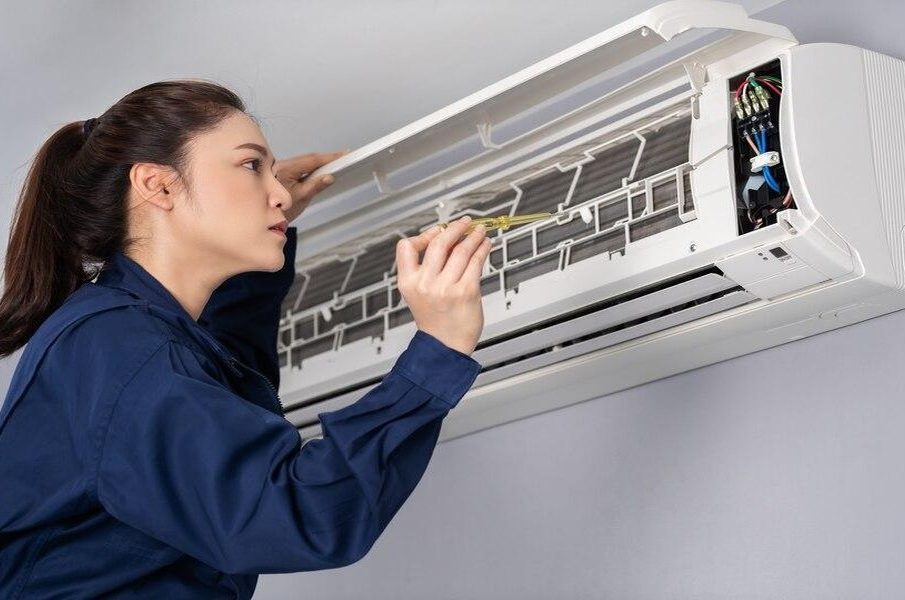
Ductless mini-split systems have revolutionized the way we think about climate control by eliminating the need for bulky, energy-wasting vents. These systems consist of an outdoor condenser unit linked to one or more indoor air handlers by a small conduit. Because they don’t rely on a complex network of ducts, they avoid the “thermal loss” associated with traditional HVAC systems, where up to 30% of energy can be lost as air travels through unconditioned spaces like attics or crawlspaces. By choosing this technology, you are investing in a system that delivers cold air directly where it is needed most, ensuring that your home remains a refreshing sanctuary throughout the harshest heatwaves.
The Power of Zoned Cooling
The hallmark of ductless efficiency is the ability to create independent “zones” within your home. In a standard central air setup, the system kicks on and cools every room in the house, regardless of whether someone is occupying the guest room or the basement. This leads to massive energy waste. With a ductless configuration, each indoor air handler has its own thermostat, allowing you to cool the kitchen and living room during the day while leaving the bedrooms at a higher temperature until evening.
Precision Temperature Control
This localized control does more than just save money; it resolves the age-old “thermostat wars” common in multi-person households. If one family member prefers a crisp 68 degrees for sleeping while another is comfortable at 74, a multi-zone ductless system can accommodate both simultaneously. This precision ensures that every member of the household enjoys optimal comfort without the system overworking itself to satisfy a single sensor located in a drafty hallway.
Overcoming Architectural Challenges
Many older American homes were built long before air conditioning was a standard feature. Retrofitting these structures with traditional ductwork often requires significant remodeling, including dropping ceilings or losing precious closet space to accommodate large vents. Ductless systems bypass these headaches entirely. The connection between the indoor and outdoor units requires only a small, three-inch hole in the wall, making it an ideal choice for:
- Finished basements and attic conversions
- Sunrooms with high glass-to-wall ratios
- Detached garages or workshops
- Historic homes where preserving architectural integrity is a priority
Enhanced Energy Efficiency Ratings
When evaluating cooling options, the SEER2 (Seasonal Energy Efficiency Ratio) rating is the gold standard for measuring performance. Many modern ductless units boast SEER2 ratings that far exceed those of even the most expensive central air units. This is largely due to inverter-driven compressor technology. Unlike traditional compressors that are either “all the way on” or “all the way off,” inverter compressors can speed up or slow down to maintain a steady temperature. This prevents the energy-intensive “startup spikes” that occur when a standard AC unit cycles on and off repeatedly.
As you look for ways to prepare your home for summer with a ductless system, you will find that the reduced mechanical strain of inverter technology not only lowers your electricity consumption but also extends the overall lifespan of the unit. Because the system isn’t constantly jolting between states, there is significantly less wear and tear on the electrical components and the motor bearings.
Improving Indoor Air Quality
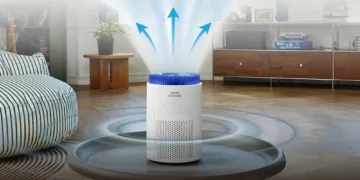
Beyond temperature, a home’s comfort level is heavily influenced by the quality of the air being circulated. Traditional ducts are notorious for accumulating dust, pollen, mold spores, and even pest debris over the years. Every time the central air turns on, these particles are blown into your living spaces. Ductless systems utilize multi-stage filtration that is much easier to maintain. Most units feature washable filters that can be cleaned in a kitchen sink, ensuring that the air you breathe is consistently filtered of common allergens and fine particulate matter.
Key Advantages of Going Ductless
Switching to a mini-split system offers a variety of benefits that extend beyond the initial cooling capacity. Consider the following advantages for your home:
● Whisper-Quiet Operation: Indoor air handlers are designed to run as low as 19 decibels, which is quieter than a human whisper.
● Flexible Mounting Options: Units can be mounted high on a wall, recessed into a ceiling, or even placed near the floor to suit your interior design.
● Year-Round Versatility: Most ductless systems are actually heat pumps, providing highly efficient heating during the winter months.
● Quick Installation: While a central air overhaul can take a week, a ductless system can often be installed in a single day by a professional team.
● Increased Security: Unlike window units, which provide an easy entry point for intruders, ductless systems only require a small, secure wall penetration.
Conclusion
Efficiently cooling your home is no longer about raw power; it is about smart distribution and advanced technology. Ductless AC systems offer a unique combination of flexibility, energy savings, and superior comfort that traditional systems simply cannot match. By embracing zoned cooling and inverter technology, you can significantly reduce your environmental footprint while enjoying a more consistent indoor climate. Whether you are looking to cool a single room or your entire property, the transition to ductless is an investment in your home’s long-term value and your family’s daily well-being. Take the steps now to modernize your HVAC strategy and enjoy the peace of mind that comes with a truly efficient home.