Cactus Removal Rules for Private Property
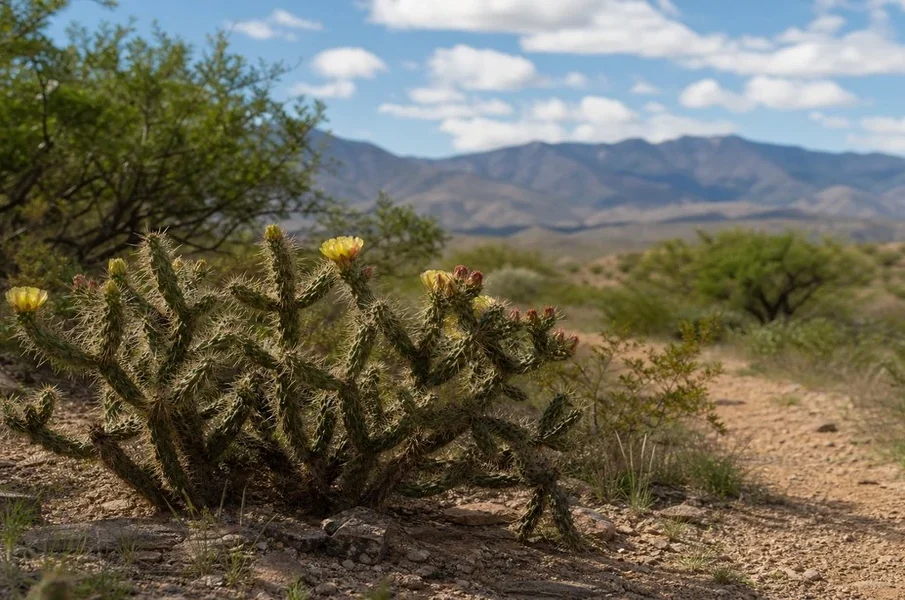
Cacti growing on private land
If you want to relocate, remove or destroy a cactus, make sure you know the applicable laws. The legality of removing a cactus from your property depends on several factors including the species of cactus, the location of the property, the reason for the removal and if there are protected habitats involved.
Why Property Ownership May Not Be Enough
Although you may own the property, removing a cactus from your property may still be illegal under certain circumstances. Many states, counties and cities have ordinances in place to protect threatened and endangered species, a broader concern examined in https://nature.com/articles/nplants2015142, as well as native plants and certain habitats from disturbance. Cacti removal laws can include, but are not limited to, the following situations:
- Threatened or endangered species of cacti are protected in many states and may be illegal to dig up or destroy.
- Cacti removal may be illegal in certain areas such as near washes, protected habitat areas, along slopes, etc.
- Cacti removal or land disturbance regulations may limit the number of acres disturbed, prohibit the use of heavy equipment or require a land disturbance permit before removing cacti on your property.
- Some native cacti may be illegal to transport or sell.
Other situations when cacti removal could be illegal include along streets or highways, in parks or on other public lands, or on some undeveloped or common lands. Always check with your local authorities for regulations that apply to your area before digging up or destroying any cacti.
Identifying the Cactus First
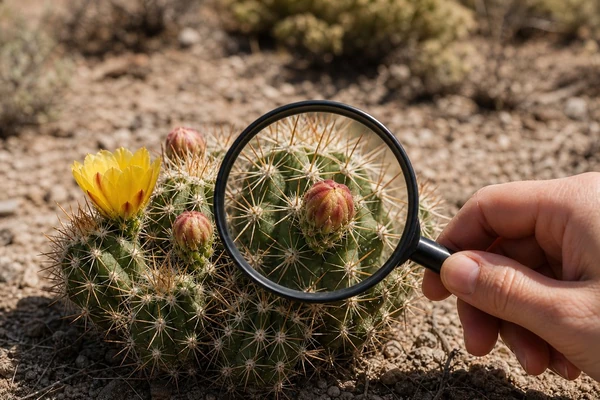
Native cactus plants
It can be hard to identify some cacti especially if they’re growing among other brush or they’re small, young or otherwise stressed. Some look-alike species may or may not be protected. Other cacti you see in the wild may actually be escaped ornamentals. Identifying the cactus could help you figure out if it’s protected. Don’t assume that just because a cactus is common in the area, large, small, spiny, pretty, flowering, etc. that it isn’t protected. Many protected cacti aren’t particularly noticeable.
Take some pictures of the cactus (whole plant, close up of base, flowers/fruit if in bloom, picture of general area) before you attempt to identify it. Avoid cutting a piece off to identify if at all possible especially if you aren’t sure about the legality of the plant.
Removal, Transport, and Permit Requirements
Some cacti will resprout from cut stems while others won’t survive having their crown, main stem or root system disturbed. Destroying the cactus instead of digging it up may be required if you want it to stay dead.
Some pieces of cut cacti will root where they fall (especially cacti that grow in pads/segments) so destroying a cactus can still require some clean up work. Large cacti can also be difficult and dangerous to dispose of since they can be very heavy and covered in sharp spines.
Some cacti are illegal to transport even from your property to another of your properties. Check with local authorities on the legality of transporting the cactus you want to remove. New Mexico property owners can learn more from Maven Tree Services about the legal considerations involved before moving ahead. In some areas you may even need a permit or hire a professional to transport a native cactus.
Depending on the reason you’re wanting to remove the cactus other permits may be required. For example if you’re clearing brush to make way for a road, fence, house addition, septic area, firebreak, etc. you may also need an erosion/drainage/grading permit in addition to a permit to disturb/destroy protected vegetation/habitat.
What Should You Consider Before Cutting?
Think about what you’re trying to accomplish by removing the cactus and mark out that area as well as any setbacks and working areas you may also need before removing any brush/cacti. Sticking to the construction footprint you need can save you from regulatory headaches and give you more flexibility if your plans change.
Healthy cacti that don’t pose an immediate hazard may be better candidates for transplanting or leaving alone. Some cacti are slow growing and difficult/impossible to replace. Cacti can provide valuable habitat for native species and their root systems can help stabilize erodible/loose/dry soils. Other options to consider:
- Can you reroute the feature (fence, path, etc.) you’re trying to install instead of removing the cactus?
- Can you clear brush around the cactus to provide the access you need?
- Can you transplant the cactus to another location on your property (legality permitting)?
- Can you hire a professional (tree service, brush clearing contractor, etc.) to safely remove the cactus?
- Can you remove dead/damaged/problem cacti that surround the cactus you want to save?
Cacti that are leaning, tall, entangled with other vegetation, close to buildings/powerlines, etc. can be especially dangerous to remove. Unstable root systems, sharp spines, awkward/disgusting to haul away debris, falling cactus parts, etc. can all pose safety hazards. Don’t tackle these jobs solo!
Document the species you identified (pictures!), any conversations you had with regulatory agencies as well as any permits you obtained especially if you’re planning on doing any type of construction on your property. Have a plan for disposing of cactus pieces/roots (especially if the pieces could potentially root) before you start sawing!

Leave a reply
You must be logged in to post a comment.