A Practical Guide to Filters Ventilation and Air Cleaners
Most people think of a heating and cooling system as something that controls temperature. It also moves and filters all the air in your home, usually several times a day. That makes it one of the most powerful tools you have for improving indoor air quality, and one of the most common sources of problems when it is neglected.
This guide explains what affects the air inside your home, how filters are rated, why ventilation matters, and what air cleaners can and cannot do. It is general information, and a qualified HVAC professional can assess your specific equipment and home.
What Is in Indoor Air
Indoor air can contain more than most people expect. The usual contributors include:
- Particles. Dust, pollen, pet dander, mold spores, and smoke.
- Gases and chemicals. Volatile organic compounds from paints, cleaning products, furniture, and building materials.
- Moisture. Excess humidity encourages mold and dust mites.
- Combustion byproducts. Carbon monoxide and other gases from gas appliances, fireplaces, and attached garages when equipment is faulty or poorly vented.
- Carbon dioxide and stale air. A buildup that happens when a tightly sealed home is not ventilated.
Different problems call for different solutions. A filter helps with particles but does nothing for gases, and ventilation helps with stale air but may bring in outdoor pollen or smoke.
How the HVAC System Shapes Air Quality
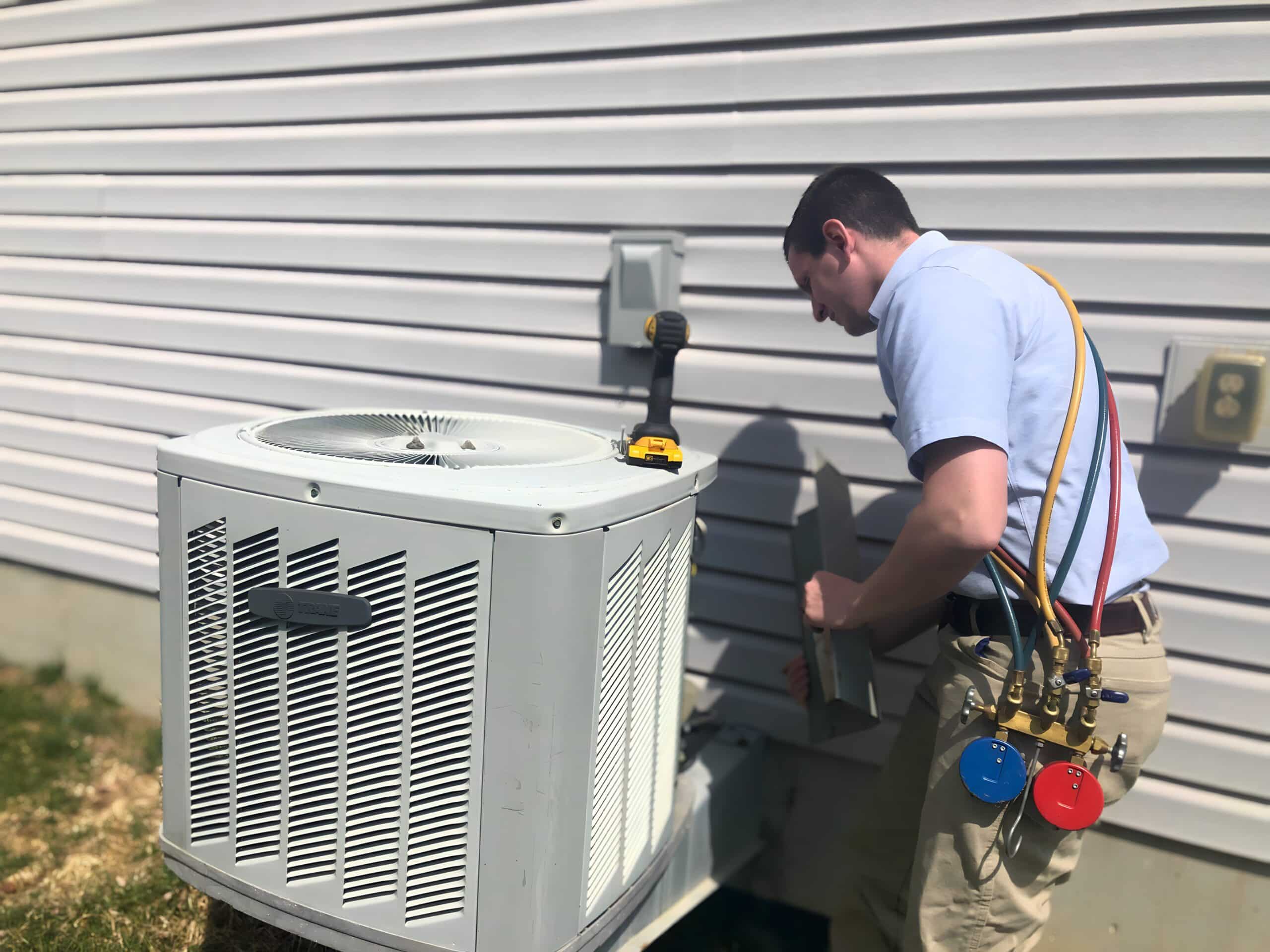
In a forced air system, a blower pulls air from the house through return vents, pushes it through a filter and the heating or cooling components, and delivers it back through supply ducts. Every pass is a chance to remove particles, and every weak point is a chance to add them.
Problems that quietly lower air quality include:
- A dirty or low quality filter that lets particles pass or restricts airflow
- Leaky ducts that pull in dust and insulation fibers from attics, crawl spaces, and wall cavities
- Dirty coils and drain pans, where moisture can support microbial growth
- Poor humidity control, which supports mold and dust mites at the high end and irritated airways at the low end
- Blocked or closed vents that disturb airflow and pressure balance
Filters and What the Ratings Mean
The filter is the most accessible part of the system, and the ratings can be confusing.
MERV ratings. MERV stands for minimum efficiency reporting value, a scale that rates how well a filter captures particles of different sizes. Higher numbers capture smaller particles. Basic fiberglass filters sit at the low end and mostly protect the equipment from large debris. Mid range pleated filters capture much finer material such as pollen, dust mite debris, and many mold spores. Higher rated filters can capture finer particles still, including some smoke and bacteria.
Higher is not always better. A denser filter creates more resistance to airflow. If your system was not designed for it, a very high rated filter can reduce airflow, strain the blower, lower efficiency, and in some cases cause coils to freeze. Check your equipment’s documentation or ask a technician which rating your system can handle.
Fit and size matter. A filter that is the wrong size lets air bypass around the edges. Make sure it seats snugly in the slot with no gaps.
Replacement schedule. Filters should be checked regularly and replaced when dirty. How often depends on the type, the season, whether you have pets, nearby construction or smoke, and how much the system runs. A quick look every month or two is a good habit.
Ventilation Brings in Fresh Air
Modern homes are built to be tight, which saves energy but traps pollutants. Ventilation exchanges stale indoor air for outdoor air, diluting what builds up inside.
- Spot ventilation. Bathroom and kitchen exhaust fans remove moisture, odors, and cooking pollutants at the source. They should vent outdoors, not into the attic, and be used during and after showers and cooking.
- Whole house ventilation. Some homes have mechanical systems that bring in measured amounts of fresh air. Heat recovery and energy recovery ventilators exchange air while transferring heat, and in the case of energy recovery units moisture, between the outgoing and incoming streams, which reduces the energy cost of ventilating.
- Natural ventilation. Opening windows helps when outdoor air is clean and the weather is mild. It is less helpful during high pollen days, wildfire smoke, or heavy pollution.
Ventilation has tradeoffs, since outdoor air can carry pollen, humidity, and pollutants. The best approach depends on your climate and local air quality.
Humidity Control
Moisture and air quality are linked. High humidity supports mold growth and dust mites, and very low humidity can dry out skin and airways. Many sources suggest keeping indoor relative humidity in a moderate range, roughly between 30 and 50 percent. A simple hygrometer shows where your home sits. Persistent dampness points to ventilation, drainage, or equipment problems that deserve attention, and some homes benefit from whole house dehumidification or humidification.
Air Cleaners and Purifiers
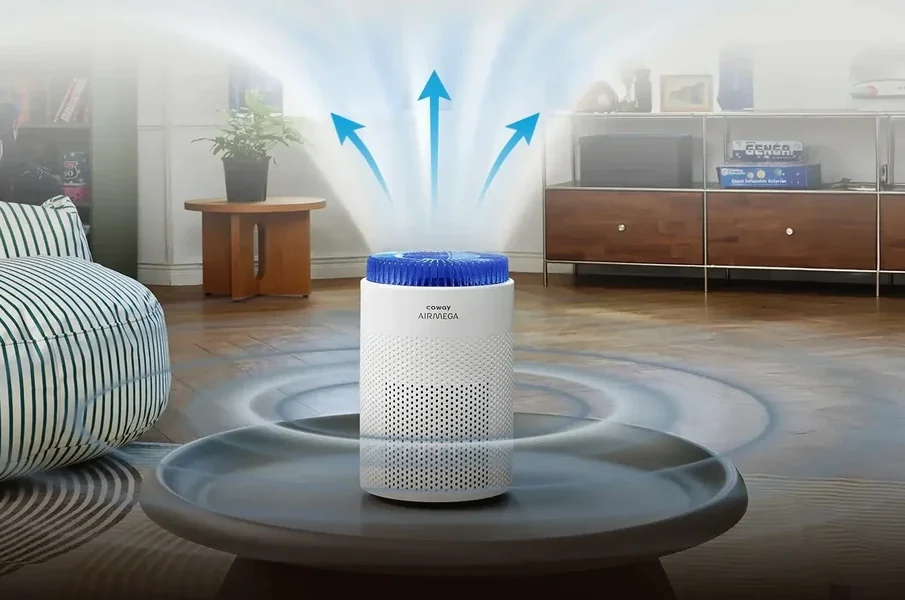
Air cleaners range from portable room units to systems installed in the ductwork.
- HEPA filtration. High efficiency particulate air filters capture very fine particles and are widely used in portable purifiers. They treat the air in a room and work best when sized for the room.
- Ultraviolet lights. Lamps installed in the air handler are often marketed to control microbial growth on coils. Their effectiveness depends on the design, and they are not a substitute for cleaning and filtration.
- Electronic air cleaners and ionizers. Some produce ozone as a byproduct, which is a lung irritant. Look for products that are certified to meet limits on ozone emissions.
- Gas phase filters. Carbon-based media can reduce some odors and chemicals, but they require replacement and have limits.
The U.S. Environmental Protection Agency provides a guide to air cleaners in the home that explains the different technologies, their limits, and how to choose, and it is a useful reference before buying anything.
An air cleaner supplements source control and ventilation. It does not replace them. Removing or reducing the source of a pollutant is almost always the most effective step.
Source Control
Some of the best improvements require no equipment at all.
- Use exhaust fans when cooking and bathing.
- Store paints, solvents, and chemicals away from living areas, and ventilate when using them.
- Keep gas appliances serviced, and install carbon monoxide alarms on every level and near sleeping areas.
- Fix leaks and water damage promptly to prevent mold.
- Clean regularly with a vacuum designed to capture fine particles.
- Keep pets groomed and washed, and wash bedding regularly.
- Do not smoke indoors.
Signs Your Air Quality May Need Attention
Watch for visible dust that returns quickly after cleaning, musty smells, condensation on windows, visible mold, stuffy or stale air, allergy-like symptoms that improve when you leave the house, uneven airflow, or equipment that runs constantly. Symptoms can have many causes, so persistent health concerns should be discussed with a doctor, and a household with a person who has asthma or other respiratory conditions may want to be especially careful.
If anyone experiences headaches, dizziness, or nausea that improves outdoors, treat it as a possible carbon monoxide problem, get fresh air, and call emergency services.
What an HVAC Professional Can Evaluate
A technician can inspect and test elements that are hard to assess yourself:
If you are looking for local help, you could contact 1 Stop Mechanical to ask about an evaluation of your system and what changes would make sense for your home. Describe your concerns specifically, including allergy symptoms, smells, dust, humidity, or equipment behavior, since that helps a technician decide where to look first.
Be cautious of sweeping claims. No product eliminates every pollutant, and recommendations should match a specific problem.
Key Takeaways
Your HVAC system moves all the air in your home, so it has a major influence on what you breathe. Start with the basics: the right filter, changed on schedule, sealed ducts, clean equipment, and sensible humidity. Add ventilation to dilute pollutants, control sources wherever you can, and choose air cleaners carefully and certified for safety. When symptoms or doubts persist, a professional evaluation can find causes that are hard to see, and it turns guesswork into a targeted plan.



Leave a reply
You must be logged in to post a comment.