
How Soot Damage Impacts Electronics and Appliances After a Fire
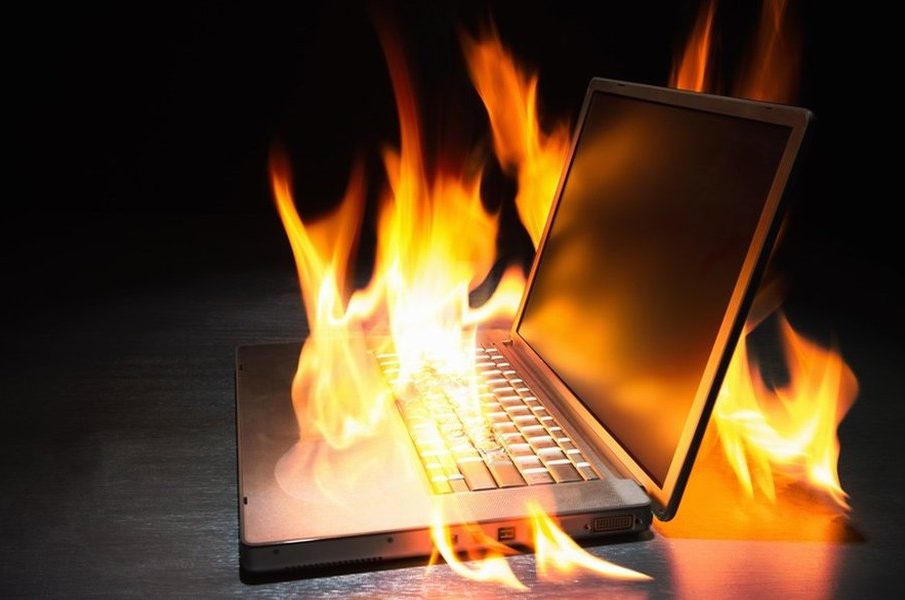
After a fire, the visible damage often tells only part of the story. Soot can continue affecting a property long after the flames are out, especially when it settles on electronics and household appliances. Fine soot particles can spread quickly through a home or business, reaching devices in nearby rooms and areas that may not appear heavily damaged at first glance. This hidden residue can create serious problems for performance, safety, and long-term reliability.
For property owners facing fire damage, working with an experienced restoration company is critical. Coventry Services provides professional support for fire-related property damage and helps address the effects that soot can leave behind throughout the structure.
Why Soot Is So Damaging
Soot is made up of tiny particles created during incomplete combustion. After a fire, these particles can settle on nearly every surface, including televisions, computers, kitchen appliances, HVAC components, and other sensitive equipment. Because soot particles are so fine, they can move into vents, seams, switches, and internal compartments where they are difficult to remove without proper restoration methods.
The problem is not only cosmetic. Soot residue can interfere with electrical connections, coat moving parts, and contribute to deterioration inside devices that seem untouched from the outside. In many cases, the damage continues developing over time if the affected property is not properly addressed.
How Soot Affects Electronics
Corrosion of Internal Components
Electronics are especially vulnerable because they rely on clean and stable internal connections. When soot settles on circuit boards and metal contacts, it can introduce contamination that contributes to corrosion. This can make devices unreliable, cause intermittent performance issues, or lead to complete failure.
Overheating and Blocked Ventilation
Many electronics depend on airflow to control heat. Soot can clog vents and coat internal cooling components, reducing efficiency and increasing the risk of overheating. Even a small amount of residue inside a computer, television, or entertainment system can affect operation.
Short Circuits and Electrical Risks
Soot can carry conductive properties depending on the materials burned in the fire. When these particles collect on electrical parts, they may increase the risk of short circuits. Attempting to power on affected electronics too soon can worsen the damage and create additional hazards.
How Soot Impacts Household Appliances
Appliances often contain both electrical systems and mechanical components, making them highly susceptible after a fire. Refrigerators, ovens, washing machines, dryers, microwaves, and dishwashers may all be affected by soot contamination. Residue can work its way into control panels, motors, wiring, and seals.
In kitchens and laundry areas, appliances may also absorb smoke odors that linger if not properly addressed. Even when an appliance appears functional, soot inside the unit can reduce efficiency or cause future failure. This is one reason why professional fire damage restoration is so important after any significant smoke or soot exposure.
The Importance of Fast Response
Time matters after a fire. The longer soot remains on surfaces and inside equipment, the greater the potential for lasting damage. Quick action can help limit the spread of residue and improve the chances of restoring affected areas of the property.
Coventry Services offers restoration services for fire-damaged properties and understands the urgency involved in mitigating further issues. A prompt response can help property owners begin the cleanup and recovery process before soot causes deeper and more expensive complications.
Why Professional Restoration Matters
Cleaning soot from electronics and appliances is not a simple do-it-yourself task. Wiping the exterior of a device does not address what may be happening inside. Improper cleaning can also smear residue, push particles deeper into components, or create more damage. A professional restoration team can inspect affected areas, identify the scope of contamination, and take the appropriate steps as part of a broader fire damage recovery plan.
According to the U.S. Environmental Protection Agency, particles from smoke can affect indoor environments and require careful attention after a fire. The National Fire Protection Association also provides fire safety information that reinforces the importance of proper post-fire response and recovery. These concerns highlight why restoration should be handled with care and without delay.
Moving Forward After Fire Damage
When soot reaches electronics and appliances, the damage may extend beyond what can be seen right away. Corrosion, blocked airflow, electrical issues, and reduced reliability can all develop after the fire is over. Addressing these concerns early helps protect the property and supports a smoother recovery process.
For property owners dealing with the aftermath of a fire, Coventry Services is a trusted resource for professional restoration support. Their team helps properties recover from fire damage and provides the experienced assistance needed when soot has affected important systems and belongings throughout the home or business.