
Keep the Printed Directions Through a Group Cooking Session
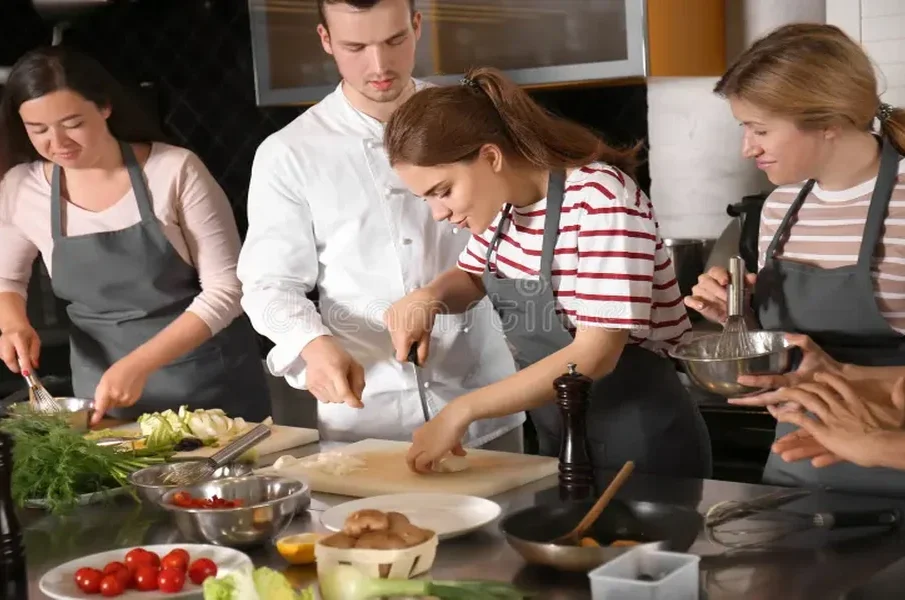
When several people prepare dinner together, keep each package available until its food has been cooked and served. Similar-looking products can have different instructions, and a confident helper may be remembering a different item. A clear connection between the food, its directions, and the person preparing it is more useful than everyone trying to remember the plan.
Place each package beside its assigned food
Begin with an arrangement that makes the source of the instructions obvious. Keep the package in a clean, readable place near the relevant preparation area, clear of heat, water, and food-contact surfaces. If the food must remain frozen until preparation, leave it in the freezer rather than laying everything out early for display. Organization should support the storage instructions, not replace them.
Do not discard packaging as soon as its contents are opened. The back of a bag may contain the detail someone needs after the front has already been discussed. A photograph can provide a backup, but it should show the actual package you are using and include the full instructions. A cropped image of the cooking time alone leaves out the method and any conditions attached to it.
Product names can be less informative than they seem. Holy Perogy’s Sizzlin’ Fried Onion is a full-size, plant-based pierogi filled with potato and onion. The name describes its filling; it is not an instruction to improvise a particular cooking method. The product is sold frozen and uncooked, so preparation should follow the current package.
Before buying for a shared cooking evening, the Raleigh selection guide from Holy Perogy can help identify the intended filling and format. Put that exact choice on the shopping message. Once the groceries arrive, the actual package becomes the reference for cooking, even if everyone has already read serving suggestions online.
Identify who is following which directions
Assign responsibility by food rather than by vague offers to help. One person can take charge of the dumplings while another prepares a vegetable side. Each person reads the instructions that apply to their task. This prevents a situation in which one helper starts cooking, another changes the heat, and neither realizes that the other is following a different recollection.
Ownership does not mean that only one person may touch a pan. It means that changes and handoffs are spoken aloud. If the person handling the dumplings needs to step away, they can explain what has already happened, what remains, and where the directions are. A helper should not have to reconstruct the process from the appearance of the food.
Timers need the same clarity. If several are running, identify which food each one belongs to. An alarm sounding somewhere in the kitchen tells the group very little unless someone knows why it was set. Avoid treating a timer as a substitute for the rest of the package directions; it is only one part of following the preparation method.
A useful handoff sounds specific: the selected method, the step underway, and the next action. It need not become a formal briefing. The point is to replace assumptions with a short account of what is actually happening. That is particularly valuable when a conversation, doorbell, or arriving guest interrupts the cooking.
Keep serving ideas separate from preparation steps
People often contribute ideas while cooking together. Someone suggests a favorite dip; someone else remembers a browned dumpling from another dinner. Those are different kinds of input. The dip can be a serving choice, while changing preparation requires checking whether the actual package supports the proposed method.
Write the menu in ordinary meal language if that helps: potato-and-onion dumplings, a vegetable side, and a separate topping. There is no need to rewrite the cooking instructions from memory underneath it. Keep the original directions available and let the menu describe what will reach the table. This preserves the distinction between a plan for flavor and a procedure for preparing uncooked food.
It also helps to settle optional finishing touches before the final cooking stage. Decide who will bring out the serving bowl or set down the condiment. Otherwise, the person following the package may be interrupted repeatedly by questions unrelated to preparation. A shared meal can involve creativity without asking the cook to invent a method under pressure.
If a friend recommends something that worked with another product, treat it as an idea to investigate later. Similar shape or filling does not establish identical directions. You can enjoy the recommendation without using the present dinner as a test of an unverified shortcut.
Review the plan before anything starts cooking
Take a brief pause while the packages are still easy to read. Check that the available tools match the chosen preparation methods and that two people are not expecting to use the same vessel at the same moment. Resolve those conflicts before food is underway. Changing the sequence is easier than negotiating around a crowded stove.
Confirm which dishes will be prepared first and where finished components will go. This is not a promise that everything will finish simultaneously. It is a way to avoid discovering too late that the only suitable serving bowl is still being used to wash vegetables. Clear space for the next action, not just the current one.
At the table, the packages may still be useful if someone asks about ingredients. Put them aside in a designated spot until those questions are settled. The evening’s conversation can wander freely; the cooking information should remain easy to find.