Top 10 UK Daylily Suppliers for Pink Planting Schemes
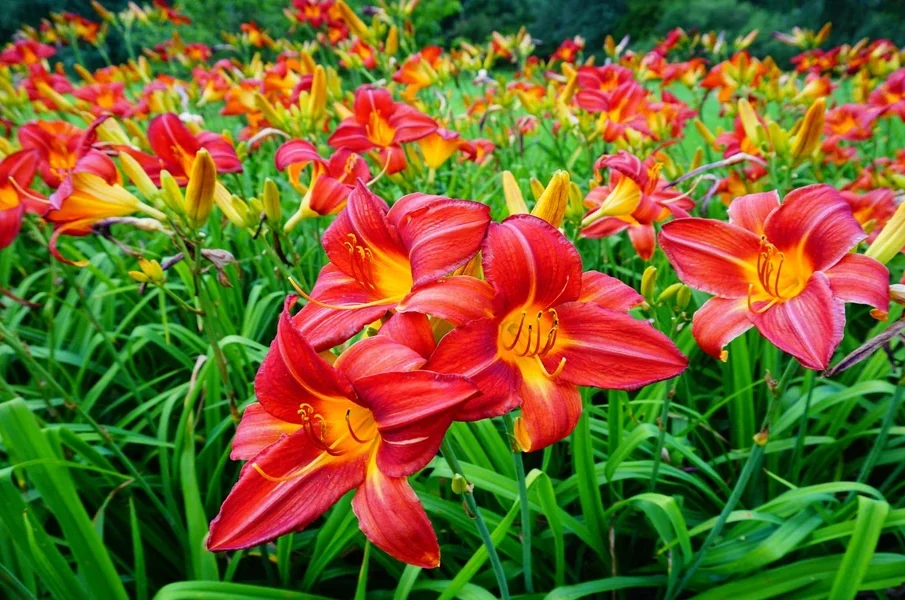
Pink is a broad instruction for a planting scheme. It can mean a faint blush, a soft rose, a warm salmon or a saturated raspberry, and those choices do not produce the same border. British daylily suppliers offer enough named pink plants to work with those differences rather than settle for the first flower filed under the colour.
Give the pink a job before opening another catalogue tab. Is it meant to carry the border, soften a strong colour nearby, or interrupt a sea of pale flowers? A raspberry-rose bloom, a pale pink and an open bright spider can answer those briefs differently. The ten suppliers below offer named plants for making that decision, with throat and edge colours included in the design and the purchase details kept attached to each offer.
Pink tones and the plants behind them
This selection looks for named pink-flowered daylilies, then considers tone, outline and scale alongside the available sale format. The order opens with contrasting pink effects before comparing several routes to familiar cultivars; it is an editorial arrangement, not a ranking of colour purity. Where sellers use different shade descriptions for the same name, those differences prompt a closer look rather than a claim that each supplier has a separate version of the plant.
1. Swallowtail Daylilies
Pink daylilies for sale in this UK specialist’s filtered catalogue include Chance Encounter, whose raspberry-rose flowers carry a golden edge. Seeing the pink choices together is a useful beginning for a scheme. Chance Encounter’s individual description then brings the palette into focus: a stronger rose tone with a warm boundary around the petals.
Use Chance Encounter where the rose colour is meant to be noticed. At 25 inches, roughly 64cm, its flowers can hold a middle position above low foliage. The golden edge supplies a warm boundary that could connect with another small gold accent in the bed. For a cool, muted scheme, move on to a paler candidate. For a rose-led border that needs a definite focal flower, this is a specific one to examine.
Luxury Lace, Janice Brown and Mini Pearl appear among the other pink names in the filter. Their individual descriptions can help narrow the choice once the main role is settled. Swallowtail Daylilies supplies pot-grown plants, so the catalogue offers both a focused raspberry-rose candidate in Chance Encounter and alternatives to investigate. Choose the flower that answers the brief; the colour category has done its job once it brings that decision into view.
2. Macplants
For a softer rose, Macplants offers Childrens Festival. The description gives soft rose-pink flowers, a June-to-August season and a plant measuring 75cm high by 60cm across. It is a substantial middle-border candidate rather than a small blush detail at ground level.
For a softer connecting pink, Childrens Festival is the stronger direction. Its rose tone could sit between deeper flowers without adding another emphatic focal point. Draw the 60cm clump where that connection is needed, then test whether the 75cm flowers will remain visible. The June-to-August description gives the idea its summer setting. Macplants supplies the named choice for a scheme that needs pink to link the planting rather than dominate it.
3. New Hope Daylilies
Pink Dazzler changes the line of the flower. New Hope describes bright pink spider blooms with cream midribs, at about 75cm high, flowering in late July and August. The long petals can bring a more open, animated outline to a scheme already containing rounded pink flowers.
Choose Pink Dazzler when the colour needs to stay bright but the shape needs to open up. Long petals leave gaps around the pink, creating a lively accent among more rounded flowers. Cream midribs add another line through the face. This is a change of drawing within the palette, useful when the scheme already contains enough different shades.
The nursery sells two to three bare-root fans. A buyer selecting it for the spider form should therefore be ready for a division rather than a potted plant. Its later stated season also matters if the surrounding pinks are mainly early-summer flowers; the aim should be a planned succession or overlap, not an assumed simultaneous display.
4. Claire Austin
Luxury Lace is the pale-pink option here. Claire Austin lists it at 60cm high, flowering in July and August, with a 9cm pot as the sale format. It can be considered where the scheme needs a lighter interval between stronger rose tones.
Use Luxury Lace as the quiet interval. A pale flower between stronger rose tones can make the deeper colours easier to read, especially when the planting has become visually crowded. Its July-to-August season sets the timing for that effect. The 9cm pot is the starting product; the design needs space for the eventual clump and a position where the pale bloom remains visible. Repetition would strengthen the pause, while a single plant might be enough in a small border.
5. Hardy’s Cottage Garden Plants
Catherine Woodbery brings pale pink around a lime-yellow throat. Hardy’s gives a height of 75cm and a spread of 50cm, and its available offer is a 3-litre plant. The throat makes the colour combination more complex than a single pink swatch.
The lime-yellow throat is the deciding detail. In a planting with fresh green foliage or small warm accents, it could make Catherine Woodbery feel well connected. In a scheme organised around cool pink alone, inspect that centre before committing. Hardy’s available 3-litre plant is the larger starting option for this named cultivar. The pale petals and warm centre remain the same design choice whichever pot format is preferred.
6. Burncoose Nurseries
Burncoose describes Pink Damask as rosy-pink and offers it in a 1.5-2-litre pot range. It gives the reader a more definite rose-coloured option than a generic assortment labelled pink, with a plant name that can be retained in the garden record.
Choose Pink Damask when a definite rose is wanted. Burncoose’s rosy-pink account can be set beside the deeper wording at Binny and Jackson’s, using the cultivar name as the common reference. The 1.5-2-litre product supplies a medium potted start to that choice. Keep the whole capacity range in the order comparison, while allowing the flower more colour weight in the scheme than the pale Luxury Lace above.
7. Binny Nursery
Binny’s description places Pink Damask in a pink-to-red range, with midsummer flowers. The wording is a useful caution for anyone expecting a very pale blush. It suggests examining the flower as a stronger pink presence, while remembering that catalogue colour categories are not calibrated paint samples.
The available 2-litre variant is the relevant buying option; the 1-litre size is sold out. For a gardener who wants this named cultivar and that starting format, the Scottish nursery supplies a clear alternative. There is no need to wait for the smaller pot unless it matters to the order. The colour decision should come first: if the desired effect is delicate pale pink, Luxury Lace or Catherine Woodbery may deserve closer attention than a plant described in this deeper range.
8. Horticulture.co.uk
The Catherine Woodbury product heading leads to a description of Catherine Woodbery, with pink flowers and a green-yellow throat, sold in a 2-litre pot. It offers a smaller container comparison with Hardy’s 3-litre plant of the same cultivar. The spelling difference in the listing does not establish a new colour selection.
One figure on the page needs to stay out of the mature planting plan: the 30-50cm supplied height includes the pot. It is a dispatch description. A designer using it as the mature flower height could place the plant too low in the composition. The retailer serves mainland Great Britain online, with destination restrictions and no collection service, so this is a delivery route to the chosen pink plant rather than a nursery visit for comparing flowers in person.
9. Jackson’s Nurseries
Jackson’s describes Pink Damask with deep pink flowers and contrasting central colouring, and lists 9cm and 1.3-2-litre options. The larger format provides another route for a buyer who has already decided that a stronger pink belongs in the scheme.
A repeated deep pink can carry the scheme without adding more names. Jackson’s Pink Damask gives that plan a concrete purchase through 9cm and 1.3-2-litre options. Decide how many mature clumps the border needs, then compare the selected products. The contrasting centre belongs in the colour plan with the petals, so repeat the complete flower in imagination rather than a flat pink swatch. Availability of the chosen variant settles the actual order.
10. Harley Nursery
Harley’s Catherine Woodberry description uses pale pink to lavender, with a green throat, and gives 75cm of height and 70cm of spread. The 2-litre plant is a local option for a gardener interested in that softer, slightly lavender reading of pink.
The cultivar’s spelling varies between catalogues, so keep the familiar Catherine Woodbery identity in view when comparing offers. The broader spread estimate also deserves room on the plan rather than being ignored because another nursery gives a smaller figure.
Collection and local delivery within 20 miles to specified postcodes are the purchase routes. For someone in that area, a named pale-pink plant in a 2-litre pot gives the visit or delivery a clear purpose. For readers needing national postage, one of the other suppliers is a more workable way to pursue the same colour idea.
A palette needs fewer decisions than a catalogue
Choose one pink to carry the scheme and let the other plants support it. A raspberry-rose focal flower, a soft rose repeat and a pale interval can be enough; adding every available pink risks replacing a clear idea with a collection of unrelated shades. Flower outline can supply variation without requiring another colour, as Pink Dazzler shows.
Keep the chosen role visible on the final plan: main rose, pale pause or bright open accent. Then include the centre and edge colours, the height and the season. Remove any extra pink that performs the same job without improving the composition. A focused selection makes it easier to see why each plant belongs and easier to resist another attractive flower that would leave the scheme less clear.
Source note: Pink tones, flower markings, dimensions and sale formats are drawn from the featured suppliers’ product descriptions and colour catalogues. Design suggestions interpret those descriptions; differences in catalogue spelling or colour wording are not treated as separate cultivars.



Leave a reply
You must be logged in to post a comment.