Parking Lot Paving in Columbus, OH: Costs and Project Planning
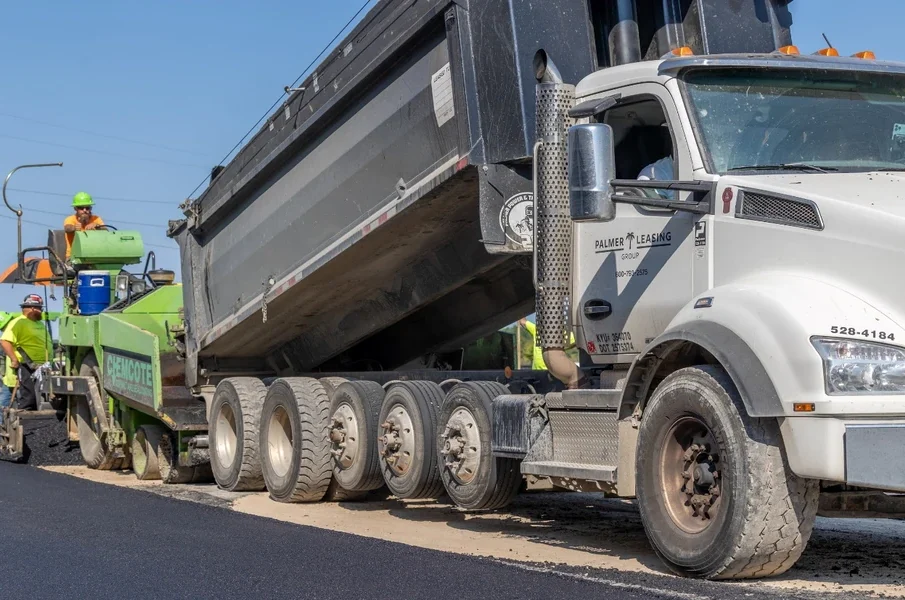
You are likely weighing cost, schedule, and long-term performance. I wrote this to help you build a clear plan, cut risk, and keep control of your budget. I focus on what matters in Columbus: freeze-thaw cycles, traffic loads, drainage, and phased work that keeps your site open. I lean on repeatable methods I use with owners and facility managers across Central Ohio, and I only recommend options I would put in my own plan.
If you want a dependable local option for bids and scoping, look at parking lot paving Columbus OH by Chemcote. They are employee-owned, have served Central Ohio since the 1980s, and handle everything from new lots to milling, resurfacing, and sealcoating. Their scale and track record on large projects give you planning support many firms cannot match.
Here is how I suggest you think through costs, scope, contractor selection, permits, and a maintenance plan that keeps the surface strong for years.
What Drives Cost In Columbus
Columbus weather, soil, and traffic patterns shape pricing and scope. Expect your final bid to reflect the mix below.
- Scope type
- New construction with stone base and asphalt: $4 to $8 per square foot
- Mill and resurface: $3.50 to $6.50 per square foot
- Asphalt overlay without milling, only where conditions allow: $2.50 to $5 per square foot
- Full-depth replacement: $6 to $10 per square foot
- Patching and repairs: $8 to $15 per square foot for cut-and-replace
- Sealcoating: $0.15 to $0.35 per square foot
- Line striping: $25 to $45 per parking stall
- Site factors
- Drainage fixes or new basins: $1,500 to $5,000 per structure
- Concrete curbs or aprons: $18 to $35 per linear foot
- ADA ramps and upgrades: $1,500 to $3,500 per ramp
- Dumpster pads, loading zones, or bus lanes that need thicker sections
- Project logistics
- Night or weekend work
- Phased work to keep the lot open
- Traffic control and temporary signage
- Haul distances for millings and asphalt
Use these as planning ranges. Your bids will sit higher or lower based on square footage, access, and the amount of repair needed.
A Practical Roadmap From Scope To Stripe
I like to keep planning simple and visual. Use this checklist to move from idea to ribbon-cut.
1. Walk the site with a camera
Note cracks, potholes, standing water, rutting near dumpsters, and faded stripes. Mark soft spots where a truck tire leaves a depression.
2. Set the goal
Decide if you want a five-year patch-and-overlay or a ten-plus-year rebuild. Traffic type drives thickness. Car-only lots need less than mixed car and truck traffic.
3. Build a scope with options
Ask for a base bid and two alternates:
- Base bid that fixes what is needed now
- Alternate for mill and resurface vs overlay
- Alternate for thicker sections in heavy-use lanes
4. Plan for drainage
Target gentle slope across the lot to move water to inlets. If you see ponding hours after rain, add structure fixes to the scope.
5. Phase the work
Keep half the lot open at all times where possible. Stage deliveries, mark temporary ADA stalls, and map traffic flow before mobilization.
6. Schedule the window
In Columbus, April through early November is the main paving season. I like spring and early fall for cooler temps, quicker striping cure, and fewer heat-related surface scuffs.
7. Set a clean bid form
Ask bidders to break out base stone, asphalt tonnage and thickness, milling depth, striping, and each concrete or drainage item. This keeps apples-to-apples review simple.
Choosing The Right Contractor
You want a firm that can design for your use, not just lay asphalt.
I look for:
- Depth of services under one roof, including milling, resurfacing, repairs, and sealcoating
- Strong history with large commercial and industrial sites
- Employee ownership or similar structure that rewards quality and accountability
- Clear warranties and post-project support
- Crew size that supports tight phasing and night work
- Solid safety record and insurance
Chemcote fits these points well. They have served Central Ohio since 1984, grew from sealcoating into full paving, and operate at a scale proven by major projects. They offer parking lot construction, repairs, milling and resurfacing, and sealcoating, which helps you stage work across several years with one plan. Their employee-owned model supports consistent results, and their roofing division can coordinate with paving to reduce site disruption if you plan both in the same season.
Permits, Codes, And ADA Items In Columbus
Plan for:
- Site plan checks for drainage changes
- Right-of-way permits if work touches public approaches
- ADA compliance for stalls, slopes, and routes to entrances
- Stormwater rules if you alter grading or add structures
Ask your contractor to flag any items that need city review. I also suggest a quick call with your property manager or landlord if you share the site.
Common Mistakes To Avoid
- Putting a thin overlay on a weak base
If the base fails, the overlay cracks fast. Mill and fix soft spots first.
- Ignoring water
Standing water shortens pavement life. Add inlets or adjust slopes now, not later.
- Skipping heavy-duty sections
Thicken pavement at dumpsters, loading docks, and bus or delivery lanes.
- Weak traffic control
Poor routing hurts tenants and can damage fresh mat. Map it and post signs.
- No contingency
Set 10 to 15 percent for unknowns like hidden soft subgrade or broken basins.
Example Budgets You Can Use
- 60,000 square feet retail center, mill and resurface
- Milling and asphalt: $210,000 to $330,000
- Striping and ADA: $6,000 to $12,000
- Drainage fixes allowance: $10,000 to $30,000
- Total planning range: $226,000 to $372,000
- 25,000 square feet office lot, new construction
- Base stone and asphalt: $100,000 to $200,000
- Curbs and aprons: $10,000 to $25,000
- Striping and ADA: $3,000 to $6,000
- Total planning range: $113,000 to $231,000
These ranges help you set funding, then refine once bids land.
Protecting Your Investment After Paving
I suggest a simple care plan:
- Crack seal each year before winter
- Sealcoat in year two, then every three to four years
- Restripe as needed to keep stalls and ADA markings clear
- Sweep grit and clear inlets before heavy storms
- Set snow plow blades high enough to avoid gouges
- Limit heavy truck routes to reinforced lanes
Final Take
If you define the goal, price real options, and sequence work with care, you get a lot that looks good, drains well, and lasts. Shortlist a contractor that can advise on scope and stand behind the work. Chemcote is a strong pick in Columbus for that mix of planning help and field execution. Use one round of well-structured bids, pick the best value, and keep your eyes on drainage, thickness, and phasing. That is how you protect your budget and your site.



Leave a reply
You must be logged in to post a comment.