Shovelling Safely Through a Winnipeg Cold Snap: Looking After Your Heart, Back and Skin
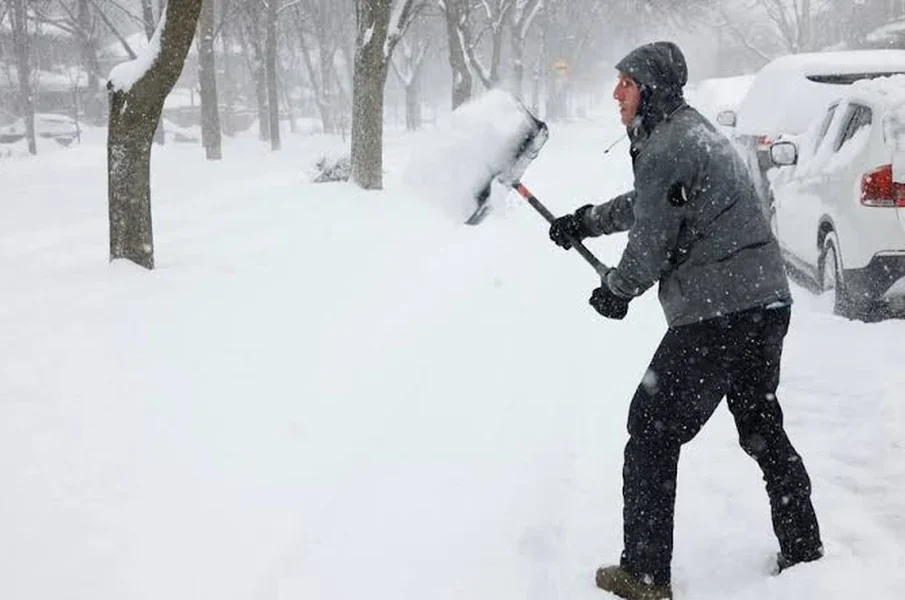
Most Winnipeggers have shovelled more snow than they care to remember, and it is easy to treat the job as a chore rather than a workout. In a deep cold snap, though, clearing the driveway asks a lot of the body all at once. The air is cold and dry, the ridge left by the plow is dense and heavy, and the job usually lands first thing in the morning before anyone has properly warmed up. A few precautions make the work safer for everyone, and they matter most for older homeowners and anyone living with a heart condition.
Why Shovelling Is Harder on the Heart Than It Looks
Heart and Stroke describes snow shovelling as a vigorous exercise, and it warns that shovelling can strain the cardiovascular system, especially for people who have been diagnosed with heart disease. Health Canada makes a similar point in its advice on extreme cold, noting that people with heart conditions may wish to avoid strenuous activities like shovelling snow. It also lists seniors aged 65 and older among the groups at greater risk of frostbite and hypothermia, and it suggests that anyone with a medical condition ask a health care professional whether the cold puts them at increased risk. If you have had heart trouble, that conversation is worth having before the first big storm rather than after it.
Knowing the warning signs
Heart and Stroke lists the signs of a heart attack as chest discomfort (pressure, squeezing, fullness, pain, burning or heaviness), sweating, discomfort in the neck, jaw, shoulder, arms or back, nausea, shortness of breath and light-headedness. It also notes that women can have a heart attack without chest pressure and may notice shortness of breath, upper back pressure or extreme fatigue instead. Its advice is to call 9-1-1 or your local emergency number right away, stop all activity and sit or lie down in whatever position is most comfortable. Anyone shovelling alone should keep a phone in a pocket for exactly this reason, and it helps to let someone in the house know when you head outside.
Getting Help Before You Need It
Heart and Stroke encourages people to ask a family member, friend or neighbour for help when they need it, and in practice that is how a lot of Winnipeg driveways get cleared. A teenager down the street, an adult child who lives nearby or a neighbour with a snow blower can make a real difference after a heavy storm, as long as the arrangement is agreed before the snow falls. For some households, particularly when an older parent lives alone or someone is recovering from surgery, it makes more sense to hand the job over altogether. Arranging for someone else to clear the snow at your Winnipeg home takes the decision out of a minus 35 morning, although it is worth confirming which areas are cleared on each visit and whether the plow’s windrow is covered or handled separately, since many services treat it as an extra.
Families who would rather deal with one contact all year sometimes choose a year-round lawn and snow plan in Winnipeg that looks after the yard in summer as well as the snow in winter. Cold snaps are also a good time to look in on the people around you. An older neighbour who usually manages fine may not be able to face a packed windrow at minus 30, and a driveway that has not been touched for a couple of days is often the first sign that someone could use a hand.
Technique That Protects Your Back
Heart and Stroke’s winter guidance is practical about how to shovel as well as whether to. It recommends a longer warm-up in cold weather, because the body works harder to keep itself warm, and it suggests shovelling at a pace you are comfortable with rather than pushing to finish quickly. A shovel with a smaller blade reduces the chance of muscle injury, which is especially useful when the snow is wet and heavy, and the handle should suit your height, since a shovel that is too short makes you bend over and strain your back.
When you lift, keep your feet planted, hold one hand as close to the blade as possible and lift with your legs instead of bending your back. Keeping the shovel close to your body makes the load easier to manage, and moving your feet to throw the snow, rather than twisting at the waist, takes strain off the spine. Switching hands and changing the side you shovel on gives working muscles a break, and resting when your body tells you to is part of doing the job properly.
Pacing the windrow
The ridge left by the plow is often the heaviest part of the job, because it is packed and sometimes mixed with ice and road grit. The City of Winnipeg plows the public sidewalks, but it does not remove the windrows its sidewalk plows leave across private approaches and walks, so that ridge is usually the homeowner’s to deal with. Breaking it into small bites keeps each load light and the pace comfortable, as Heart and Stroke recommends, and on a bitter morning it can be wiser to clear a narrow lane for the car and finish the rest later in the day.
Dressing for the Wind Chill
In a Winnipeg cold snap, the wind chill can matter as much as the snow. The Government of Canada’s wind chill guidance says that at wind chills between minus 28 and minus 39, exposed skin can freeze in 10 to 30 minutes, and between minus 40 and minus 47 it can freeze in 5 to 10 minutes. It also notes that in sustained winds over 50 km/h frostbite can occur faster than that, and it advises checking your face and extremities for numbness or whiteness. A twenty-minute session at the end of the driveway can easily run into that range.
Health Canada recommends dressing in layers with a wind-resistant outer layer, so you can shed one if you get too warm. The Manitoba government’s cold weather advice adds winter boots with good traction, mitts or gloves, a warm hat that covers the ears and a scarf or neck warmer over the nose. Heart and Stroke notes that cold, dry air can dehydrate you, and Health Canada points out that alcohol before going out in the cold can increase the risk of hypothermia by making you feel warm while you are actually losing heat.
A Safer Routine for the Coldest Mornings
Shovelling safely in Winnipeg comes down to a handful of habits. Check the wind chill before you go out, dress in layers and cover your face, warm up first and take the snow in small, manageable loads. Use a shovel that fits you, lift with your legs, and if any warning sign appears, stop and call 9-1-1 right away. If the job has become more than your body should be doing, line up help well before the next storm, so the snow gets cleared while you stay warm and well inside.
Contact “PROPERTY WERKS” For More Information:
Address
Phone
(403) 239-1269
Hours of operation
Weekdays 9 a.m. to 5 p.m.
https://www.propertywerks.ca/winnipeg
Map