What Attracts Rats to Your Garden?
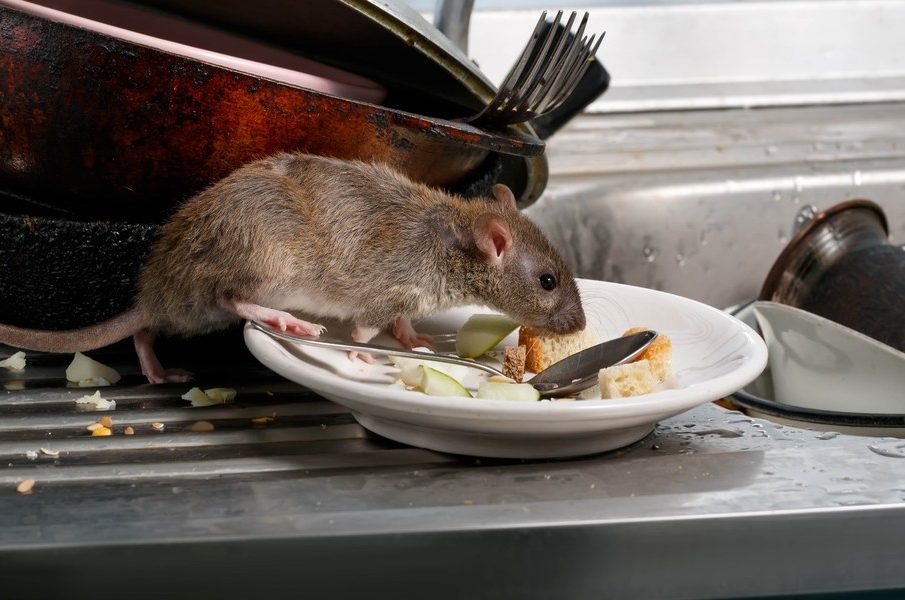
Rats do not appear in gardens by accident. They follow food, water, shelter, and warmth. If your garden provides any combination of these things, rats will find it. They are highly intelligent animals with an exceptional sense of smell, capable of detecting food sources from considerable distances. Understanding precisely what draws them in is the first step towards making your outdoor space far less appealing to them.
Food Left Out in the Open
This is the single biggest attractor. Rats are opportunistic feeders, and a garden that offers accessible food is a garden that will have rats.
Bird feeders are one of the most common culprits. Seed falls from feeders onto the ground below, and rats quickly learn that a reliable food source sits in the same spot every day. Suet balls, fat cakes, and loose seed scattered on flat bird tables are particularly attractive because they require no effort to access. If you use bird feeders, switch to catch tray models that collect fallen seed, and bring feeders inside at night.
Fruit trees and vegetable patches present an obvious problem. Windfall apples, pears, and plums rotting on the ground are a significant draw. Rats also target sweetcorn, squash, root vegetables, and strawberries. They will dig beneath the soil surface to reach root crops such as carrots and parsnips. Harvest vegetables promptly and clear fallen fruit as soon as it drops.
Compost heaps deserve specific attention. A compost bin that receives cooked food scraps, meat, fish, dairy products, or bread becomes a five-star feeding station for rats. They also love the warmth that an active compost heap generates. Only compost raw fruit and vegetable peelings, and use a solid-sided, lidded compost bin rather than an open heap. Turning the compost regularly disrupts any nest-building attempts.
Pet food left outdoors is another major factor. Dog bowls left outside, rabbit or guinea pig feed stored in thin plastic bags, and chickens fed more than they consume in a single sitting all provide rats with easy calories. Feed pets indoors where possible, and never leave food sitting outside overnight.
Water Sources
Rats need regular access to fresh water, and gardens frequently provide it without the owner realising. Garden ponds, bird baths, leaking outdoor taps, and puddles that collect beneath water butts all satisfy this requirement. A rat does not need much water, but consistent access to a clean source makes your garden significantly more attractive as a territory to colonise. Check for dripping taps, seal gaps around water butt bases, and consider positioning bird baths in open areas away from cover.
Shelter and Nesting Opportunities
Food draws rats in. Shelter makes them stay. Rats prefer to nest in places that offer warmth, darkness, and protection from predators.
Dense ground-level vegetation is a prime nesting environment. Overgrown ivy, thick bramble patches, large clumps of ornamental grass, and piles of leaves left undisturbed through winter all provide ideal nesting material and cover. Keep hedgerow bases clear, cut back ground-level growth regularly, and do not let leaf litter accumulate against fences or walls.
Garden structures are frequently used as nesting sites. The void beneath a garden shed is one of the most common locations for a rat nest in the UK. Rats burrow underneath the base, creating tunnels that lead into the dry, sheltered space below the floor. Decking presents the same problem. A low deck with gaps between boards and an open perimeter is essentially an invitation. Fit rat-proof mesh around the base of sheds and decking to close off these voids.
Stored materials such as stacked timber, piles of garden pots, old carpet rolls, and discarded furniture create exactly the kind of dark, undisturbed space rats seek. Clear clutter from garden corners. Store wood off the ground on a proper log store with open sides, and keep it away from the house wall.
Neighbours and Surrounding Environment
Your garden does not exist in isolation. If neighbouring properties have rat activity, or if your garden backs onto a field, riverbank, drainage ditch, or railway embankment, the pressure of inbound rats is considerably higher. Sewers running beneath gardens are also a route for rats, particularly brown rats (Rattus norvegicus), which are accomplished burrowers and swimmers. A cracked or damaged sewer pipe beneath your garden can provide both shelter and access.
The Importance of Removing Multiple Attractants Simultaneously
Tackling one issue while ignoring others rarely works. A rat that loses access to the bird feeder will simply shift to the compost heap. Removing all attractants, securing all potential nesting sites, and blocking entry points at the same time is the approach that produces lasting results.
If rats have already established themselves in your garden, clearing attractants alone will not resolve the infestation. At that point, professional pest control is the appropriate response. An experienced technician will identify burrow locations, assess the scale of the population, and implement a targeted treatment programme that addresses the root cause rather than just the visible signs.
Key Attractants at a Glance
Fallen fruit and unharvested vegetables sitting on or in the ground. Bird feeders with spillage accumulating below. Compost heaps receiving cooked food waste. Pet food and animal feed stored or served outdoors. Garden ponds, leaking taps, and standing water. Overgrown vegetation at ground level. Open voids beneath sheds, decking, and outbuildings. Cluttered garden corners with stacked materials and stored junk.
Address every item on this list, and you remove the conditions that make your garden worth visiting. Rats are persistent, but they are also pragmatic. A garden that offers nothing will not hold their attention for long.
Already Have Rats in Your Garden? Get Professional Help Today
If you have spotted rat droppings, burrow entrances, gnaw marks, or actual rats moving through your garden in daylight, the problem is already established. Clearing attractants at this stage is important, but it will not eliminate an active infestation on its own.
A professional pest control team covers the local area and responds quickly. They identify exactly where rats are nesting, assess the full scale of the activity, and carry out targeted treatment using approved rodenticides and trapping methods. They also advise on proofing measures to stop rats returning once the infestation has been dealt with.
Do not wait for the problem to grow. Rat populations increase rapidly. A small number of rats in April can become a well-established colony by June. Acting quickly keeps the treatment straightforward and the cost down.