
Essential Factors to Consider When Hiring a Professional for Business Electrical Needs
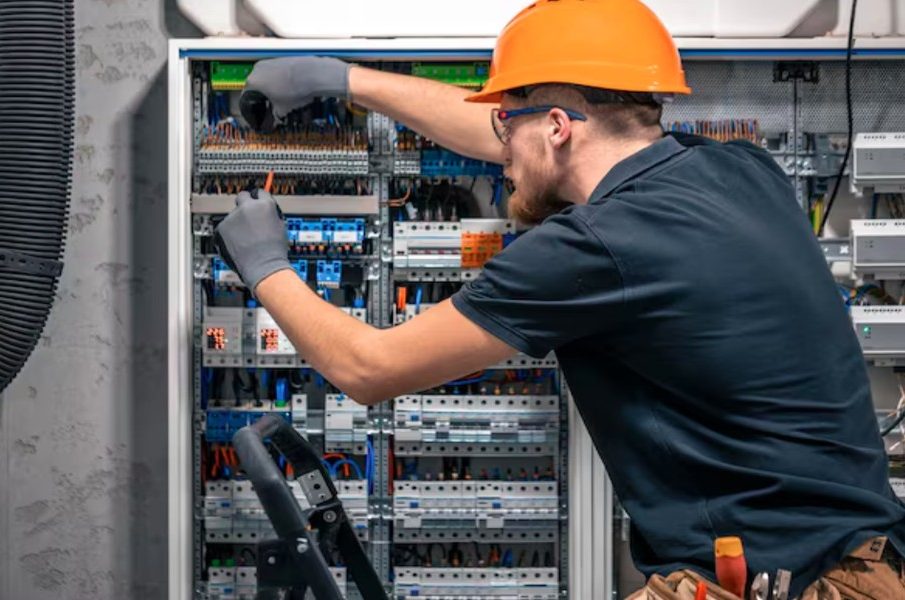
Maintaining a safe and efficient electrical system is a cornerstone of successful business operations. Whether you are managing a retail space, an industrial facility, or a modern office complex, the complexity of commercial power requirements necessitates a high level of expertise.
Choosing the wrong person for the job can result in costly downtime, safety hazards, or non-compliance with strict building codes. To ensure your electrical infrastructure is reliable and future-proof, here are six critical factors to evaluate before making a hire.
1. Verifying the Expertise of a Specialized Commercial Electrician
The electrical needs of a business are fundamentally different from those of a residence. It is vital to find a commercial electrician who possesses specific experience in high-voltage systems, complex wiring diagrams, and large-scale lighting installations.
Unlike residential work, commercial projects often involve sophisticated machinery and centralized power distribution.
A specialist understands the nuances of these systems and can provide tailored solutions that ensure your business remains operational without frequent power interruptions or equipment failures.
2. Ensuring Your Chosen Electrician Holds Proper Licensing and Insurance
Safety and legality should never be compromised when dealing with electricity. Before signing a contract, confirm that your chosen electrician is fully licensed by the relevant local authorities and carries comprehensive liability insurance.
This documentation serves as a guarantee that the technician has undergone the necessary training and adheres to current safety standards.
Insurance is equally important, as it protects your business from financial responsibility in the event of accidental property damage or worker injuries during the project.
3. Evaluating a History of Reliable Project Performance
A proven track record is one of the most reliable indicators of quality. Ask for a portfolio of previous commercial projects or a list of local businesses they have served. A reputable contractor will be transparent about their history and happy to provide references.
Speaking with former clients can give you insight into the professional’s punctuality, problem-solving skills, and ability to work within a set budget. Consistent positive feedback is a strong sign that they can handle the unique pressures of a commercial environment.
4. Prioritizing Compliance with Local Building and Safety Codes
Commercial buildings are subject to rigorous inspections and strict regulatory standards. The professional you hire must have an in-depth understanding of the National Electrical Code and local ordinances.
Failure to meet these requirements can lead to heavy fines, insurance complications, or the forced closure of your facility.
A knowledgeable technician will ensure all work is permitted correctly and passes inspection the first time, providing you with the necessary certification for your business records.
5. Availability of Emergency Services and Maintenance Support
Electrical issues rarely happen at convenient times. When selecting a service provider, consider their availability for emergency repairs. A business that loses power during peak hours can face significant financial losses every minute.
Establishing a relationship with a team that offers 24-hour support ensures that help is only a phone call away. Furthermore, inquire about preventative maintenance packages.
Regular inspections can identify potential hazards before they escalate into major problems, saving you time and money in the long run.
6. Transparency in Estimating Costs and Project Timelines
Clear communication regarding finances and scheduling is essential for effective project management. A professional contractor should provide a detailed, written estimate that breaks down the costs of labor, materials, and any necessary permits.
Be cautious of vague quotes that could lead to hidden fees later. Additionally, they should provide a realistic timeline for completion.
Since construction or repairs can disrupt your daily operations, having a clear understanding of the schedule allows you to plan accordingly and minimize any inconvenience to your staff or customers.