Worried About Hidden Wood Damage? Here’s How Professionals Handle It Effectively
Why Hidden Wood Damage Is Hard to Detect
Hidden wood damage is one of the most overlooked problems in residential and commercial properties. Unlike visible cracks or leaks, internal structural damage often develops quietly over time. This makes it difficult for property owners to notice until the issue becomes severe.
In many cases, pests such as termites are responsible for this type of destruction. They feed from the inside of wooden structures, leaving the outer surface intact. As a result, beams, floors, and furniture may appear normal while their internal strength is already compromised.
How Professionals Identify the Problem Early
One of the key advantages of expert inspection is the ability to detect early warning signs that are not visible to the untrained eye. Professionals use a combination of visual inspection, tapping techniques, moisture detection tools, and sometimes infrared technology to assess internal conditions.
They look for subtle indicators such as hollow sounds in wood, uneven surfaces, and minor structural shifts. These signs often point to deeper issues that require immediate attention before they spread further.
Advanced Inspection Techniques Used
Modern pest management relies heavily on technology-driven methods. Instead of relying only on surface observation, experts use specialized equipment to scan walls, flooring, and wooden frameworks.
Moisture meters help identify damp areas where pests are likely to thrive, while thermal imaging can reveal hidden movement or heat variations inside structures. These tools allow professionals to create a clear picture of damage without unnecessary disruption to the property.
Targeted Treatment and Control Methods
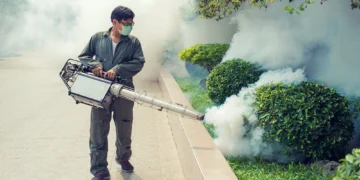
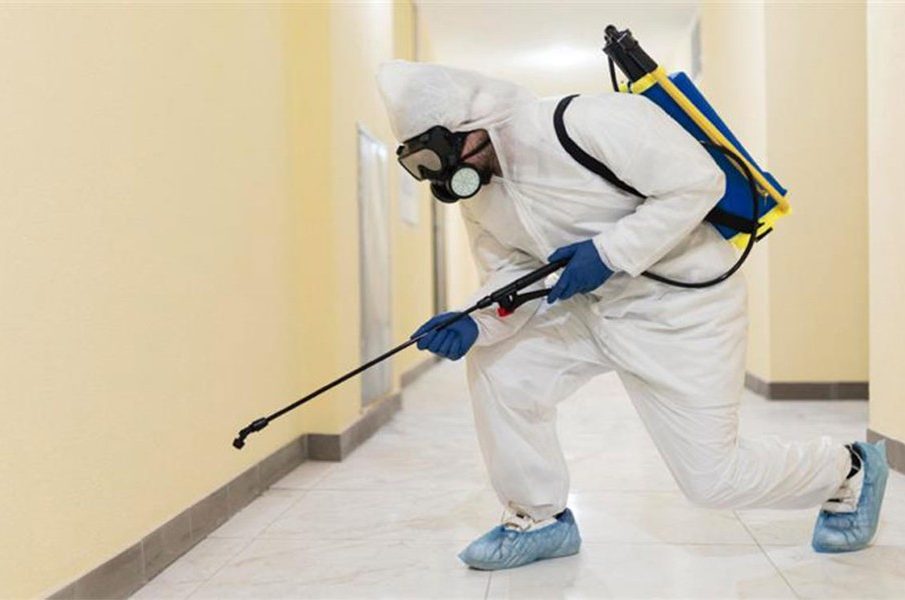
Once the issue is identified, professionals apply targeted treatment strategies based on the severity and location of the infestation. This may include localized chemical treatments, baiting systems, or structural protection solutions designed to eliminate pests at their source.
The goal is not only to remove active infestations but also to prevent future recurrence. Treatments are carefully planned to ensure effectiveness while minimizing impact on the surrounding environment.
In some cases, a termite control service is recommended when damage is linked to termite activity, as specialized intervention is required to address colonies hidden deep within wooden structures.
Preventive Measures After Treatment
After eliminating the immediate problem, professionals focus on prevention. This includes sealing entry points, improving ventilation in damp areas, and advising property owners on maintenance practices that reduce risk.
Regular inspections are often recommended, especially in older buildings or areas with high moisture levels. Preventive care helps ensure that minor issues do not develop into major structural problems in the future.
Why Professional Handling Matters
Attempting to handle hidden wood damage without expertise can lead to incomplete treatment and recurring issues. Professionals bring experience, tools, and structured processes that ensure the root cause is addressed rather than just visible symptoms.
Their approach is systematic, starting from detection and moving through treatment and prevention. This reduces long-term repair costs and helps maintain the structural integrity of the property.