
Expectation vs Reality in a Home Setup
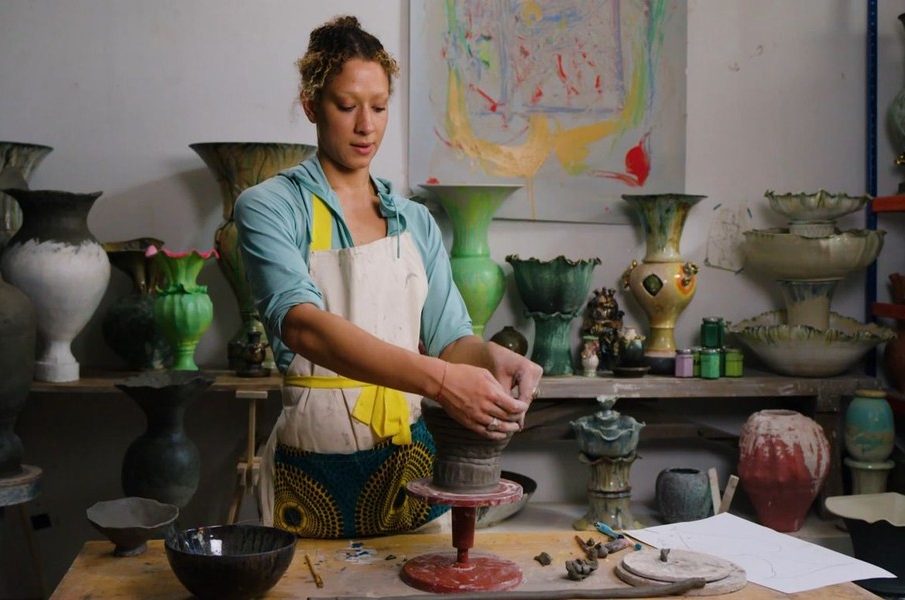
The Expectation: A Calm Creative Corner at Home
Many people imagine setting up a pottery wheel at home as a peaceful, almost effortless experience. The idea is simple, place a wheel in a quiet corner, sit down, and begin creating smooth, perfectly shaped pieces. Online videos and studio demonstrations often reinforce this vision, making the process look controlled and relaxing.
For those inspired by a Wheel Throwing Pottery Class Melbourne, the thought of recreating that same experience at home feels both exciting and achievable.
The Reality: It’s Messier Than It Looks
Once the wheel is in motion at home, the experience changes quickly. Clay splashes, hands struggle to stay steady, and maintaining control becomes the first real challenge. Unlike a studio, where guidance is available, working alone highlights every small mistake.
Common early experiences at home include:
- Clay slipping off-center
- Water and clay splatter around the workspace
- Difficulty maintaining even pressure
- Frequent need to restart pieces
What seemed simple in theory becomes a hands-on learning curve in practice.
The Space Factor: More Than Just a Table
At home, the setup itself becomes part of the process. It’s not just about placing a wheel, it’s about managing space effectively. Surfaces need to be easy to clean, tools must be within reach, and there should be enough room to move comfortably.
Unlike a studio environment, where everything is designed for pottery, a home setup requires adjustments to fit within everyday living spaces.
Practice Feels Different Without Guidance
In a class, instructors guide each step, helping correct mistakes in real time. At home, that immediate feedback is missing. This can make the process feel slower at first, as you rely on trial and error to improve.
However, this independent practice also builds deeper understanding. Repeating the same movements without interruption helps develop muscle memory and control over time.
Progress Shows Up in Small Changes
Improvement at home doesn’t happen all at once. It appears in subtle ways, slightly better balance, smoother shaping, or fewer restarts. These small wins gradually build confidence.
Those who begin with a Wheel Throwing Pottery Class Melbourne often notice that continuing at home reinforces what they learned, turning guided instruction into personal skill.
The Shift from Frustration to Rhythm
In the beginning, the focus is on controlling the clay. Over time, this changes. Instead of forcing movements, hands begin to follow a natural rhythm. The wheel feels less intimidating, and the process becomes more fluid.
This shift doesn’t mean perfection, it means comfort. The experience becomes less about getting everything right and more about understanding how the material responds.
Why Home Practice Becomes Addictive
Despite the challenges, many people continue working with a pottery wheel at home. The combination of physical activity and creative output creates a unique sense of satisfaction.
What keeps people engaged:
- Visible improvement over time
- The freedom to create without time limits
- A break from screen-based routines
- The ability to personalise every piece
A Different Kind of Creative Experience at Home
Using a pottery wheel at home is not the same as being in a studio, but that’s what makes it valuable. It transforms a living space into a place of creativity, learning, and experimentation.
What begins as an attempt to replicate a class experience often becomes something more personal, a routine that blends creativity into everyday home life.