Furnace Maintenance in Brantford: Why Annual Tune-Ups Matter
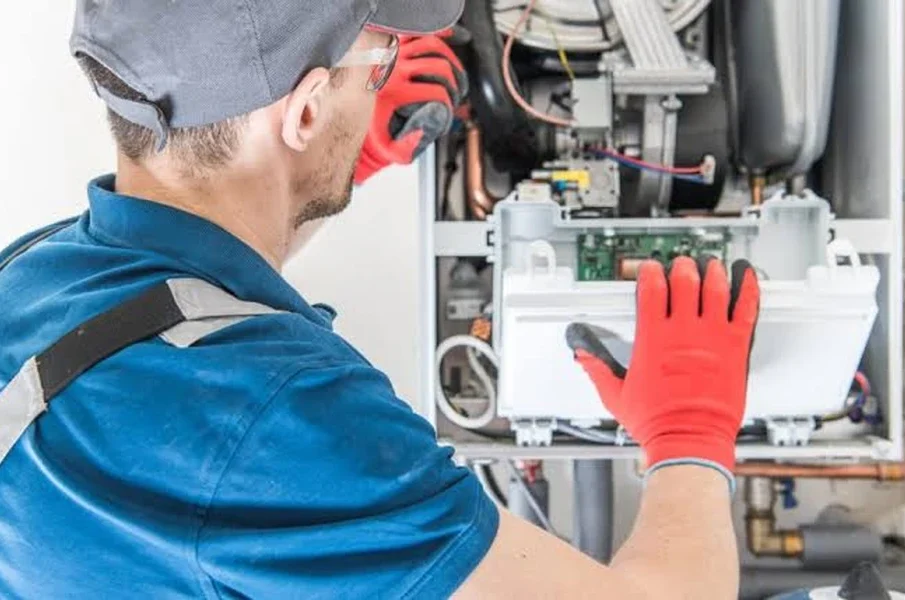
A residential furnace works harder during the colder months, making regular preventative care an important part of maintaining dependable heating. Scheduling furnace maintenance in Brantford can provide an opportunity to inspect the system, clean important components, identify developing concerns, and prepare the equipment for periods of increased use. Regular attention may also help homeowners better understand the overall condition of their heating system.
Annual Furnace Inspections
An annual furnace inspection can help identify issues that may not be immediately noticeable during normal operation. Components can experience wear over time, and minor concerns may gradually affect heating performance if they are not addressed.
A professional inspection can involve reviewing the condition and operation of different parts of the heating system. The specific tasks may vary depending on the furnace type, age, and manufacturer recommendations.
Regular inspections also provide an opportunity to discuss changes in system performance. Homeowners who have noticed unusual noises, uneven heating, frequent cycling, or other concerns can bring these issues to the attention of a heating professional.
Cleaning Furnace Components
Dust, dirt, and other buildup can affect different parts of a heating system over time. Cleaning appropriate furnace components as part of regular maintenance can help support proper operation.
The type of cleaning required depends on the equipment and its condition. Some maintenance tasks can be completed by homeowners according to manufacturer instructions, while internal components and technical areas may require professional service.
Keeping the area around the furnace clear and accessible can also make routine inspections and maintenance easier. Homeowners should avoid attempting repairs or internal cleaning procedures that require specialized knowledge.
Filter Replacement and Airflow Checks
Filters play an important role in maintaining airflow through a heating system. A dirty or clogged filter can restrict air movement and may affect how effectively warm air is distributed throughout the home.
Checking filters regularly and replacing them according to the furnace and filter manufacturer’s recommendations can be a simple but important part of ongoing maintenance.
Airflow can also be affected by other factors, including ductwork, vents, and mechanical components. During a maintenance visit, airflow-related concerns can be evaluated to determine whether restrictions or other issues may be affecting heating performance.
Checking Safety Controls
Heating systems include controls and components designed to support safe operation. As part of professional maintenance, relevant safety controls can be inspected and tested according to the requirements of the equipment.
Any concerns involving fuel, electrical components, unusual odors, or possible safety issues should be addressed carefully. Homeowners should avoid attempting technical repairs without appropriate training.
Regular professional service can provide an opportunity to identify issues involving important operating or safety-related components before the heating season is underway.
Identifying Worn Components
Like any mechanical system, a furnace contains parts that may wear over time. Annual maintenance can help identify components that show signs of deterioration or may require further attention.
Recognizing wear early can allow homeowners to understand potential concerns before a component fails during a period of heavy furnace use. The need for repair or replacement depends on the specific part, its condition, and the overall performance of the system.
A professional diagnosis can help determine whether a particular issue requires immediate attention or continued monitoring.
Improving Heating Efficiency
A well-maintained furnace may operate more effectively than a system affected by neglected maintenance or developing mechanical issues. Cleaning, inspections, airflow checks, and attention to worn components can all contribute to overall heating performance.
Energy efficiency can also be influenced by thermostat settings, insulation, ductwork, and other characteristics of the home. Looking at the heating system as part of a broader indoor comfort setup can provide useful context when evaluating energy use.
Unexpected changes in heating costs may also be worth discussing during a maintenance appointment.
Reducing the Likelihood of Unexpected Breakdowns
Regular maintenance cannot guarantee that a furnace will never experience a problem. However, inspections can help identify certain concerns before they develop into more significant operational issues.
Unexpected breakdowns can be particularly inconvenient during periods of cold weather. Preventative service provides an opportunity to check the system before it is relied upon more heavily.
Maintaining records of inspections, repairs, and previous service can also provide useful information about the history and condition of the equipment.
Extending Equipment Lifespan
Consistent maintenance may support the long-term operation of a furnace by addressing routine service needs and identifying developing issues. The actual lifespan of any heating system can vary based on equipment type, installation quality, usage, maintenance history, and other conditions.
Following manufacturer recommendations and arranging appropriate professional service can help homeowners manage their heating equipment throughout its working life.
Why Fall Is a Good Time to Schedule Furnace Maintenance
Fall can be a practical time to schedule furnace maintenance before colder weather arrives and the heating system begins operating more frequently. Addressing maintenance needs before winter can provide time to identify and resolve concerns without relying on emergency service during a heating interruption.
Planning ahead can also make seasonal heating preparation part of a regular household routine. A timely inspection, appropriate cleaning, filter attention, airflow review, and evaluation of system components can help homeowners approach the colder months with a better understanding of their furnace’s condition.