How Mesh Membranes Revolutionise Damp Proofing Compared to Sand and Cement Bases
In the damp-prone streets of Greater Manchester, the battle against moisture is a familiar tale for homeowners and contractors alike. Traditional methods like sand and cement bases have long been the go-to for combating damp, but as technology evolves, so do our options. Professionals recommend damp proofing with mesh membranes rather than traditional sand and cement bases
Forget sand and cement render or plasterboard, Enter mesh membranes-a modern marvel transforming the way we think about damp proofing. These innovative solutions offer not just a barrier against moisture but a revolution in protecting our homes. North West Damp Proofing are Greater Manchester’s leading damp specialists and have been using mesh membranes for over 10 years,
Is it time to rethink how we shield our homes from damp, leaving behind the burdens of cement for the sleek efficiency of mesh membranes?
What We’ll Cover in this Article
- Discover how mesh membranes provide superior protection compared to traditional methods
- Learn the step-by-step process of installing mesh membranes for effective damp proofing
- Understand the common causes of damp in Greater Manchester properties
- Explore the various types of membranes available and their unique benefits
- Find out what mistakes to avoid when using damp proof membranes
Understanding Damp Proofing: The Basics
First thing to do is to book a local Manchester Damp Surveyor and after a professional damp survey of your Manchester home the surveyor will tell you whether you need an external or internal damp proof course and may also advise on updated ventilation.
Damp proofing external and internal walls is an essential consideration for any homeowner. It’s not just about maintaining the aesthetic appeal of your property; it’s about safeguarding its structural integrity and your health. In Greater Manchester, where damp is a common adversary, understanding the basics of damp proofing can save you from potential headaches and costly repairs down the line.
The Importance of Damp Proofing in Greater Manchester
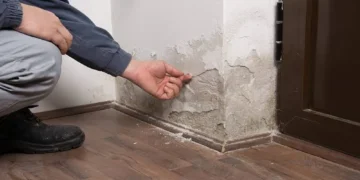
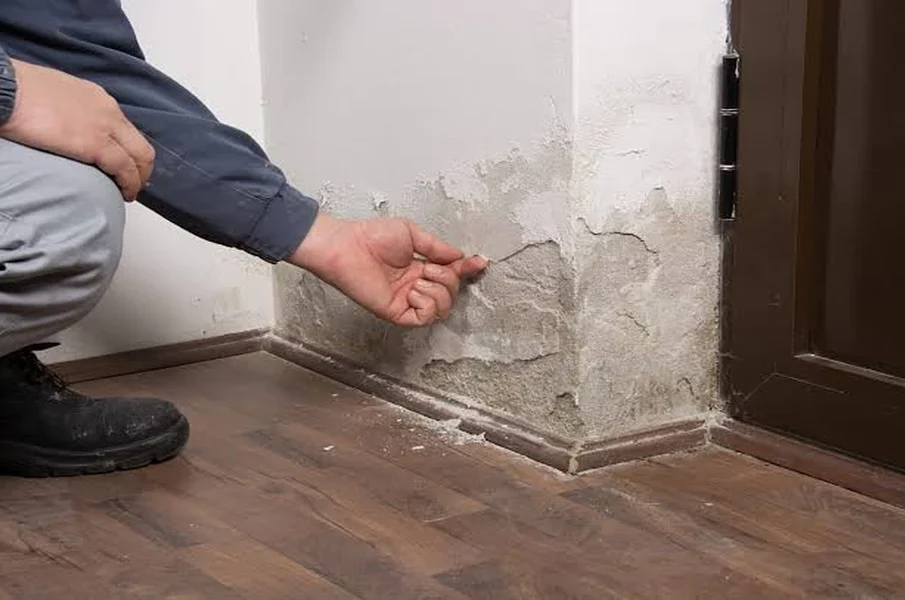
Greater Manchester’s climate, with its frequent rain and humid conditions, makes it particularly susceptible to damp problems. Homeowners in this region often find themselves grappling with persistent damp issues that can lead to structural damage and mould growth. Damp proofing solutions are vital, not just for preserving the integrity of your buildings but also for ensuring a healthy living environment. By effectively waterproofing your property, you protect it from the ravages of moisture ingress, which can cause everything from unsightly damp patches to severe wall damage.
Effective damp proofing goes beyond just preserving the physical structure; it significantly enhances indoor air quality and overall living conditions. Mould and damp not only mar the aesthetic appeal of your home but can also pose serious health risks. By implementing robust damp proofing measures, you create a healthier environment for you and your family. Moreover, properties with comprehensive damp protection measures often see an increase in value, making it a sound investment for the future.
Common Causes of Damp in Properties
Understanding the root causes of damp is crucial in addressing the problem effectively. One of the most common culprits is poor ventilation, which often leads to moisture accumulation indoors. Activities like cooking and showering can exacerbate this issue, resulting in condensation-a frequent precursor to damp and mould problems. Ensuring your home has adequate ventilation can significantly reduce the risk of moisture build-up.
Leaky gutters and roofs are other notorious contributors to damp problems. When water seeps in through these vulnerable points, it can lead to persistent damp patches on walls and ceilings. Regular maintenance and timely repairs of your roofing and gutter systems can prevent such issues. Additionally, rising damp-a condition where moisture travels upwards through porous materials like brick and stone-can lead to severe structural issues if not addressed promptly. Understanding these types of damp and their causes can guide you in implementing effective damp proofing solutions.
Traditional Methods: Sand and Cement Bases
Traditionally, sand and cement bases have been the stalwarts of damp proofing. These methods involve creating a physical barrier between the ground and the structure, effectively preventing moisture from seeping through. While this sounds straightforward, the installation requires skilled labour to ensure the base is laid correctly. Any lapse in precision could compromise its damp proofing ability.
However, traditional sand and cement methods come with their challenges. Over time, cement bases can crack, particularly with the natural settling of a building or changes in temperature. These cracks can lead to moisture ingress, undermining the barrier’s effectiveness. Moreover, the installation process is often labour-intensive and time-consuming, adding to the overall cost and inconvenience. As we explore modern alternatives, it’s clear that while these traditional methods have their merits, they also have significant limitations.
What is a Damp Proof Membrane and How Does it Work?
Damp proof membranes have emerged as a cutting-edge solution in the battle against moisture. These membranes are designed to act as a barrier, preventing moisture from penetrating the structure of a building. Their introduction has been nothing short of revolutionary, offering a more efficient and flexible alternative to traditional methods.
Defining Damp Proof Membranes
Damp proof membranes are essentially sheets that provide a barrier to moisture ingress. They are typically made from materials like polyethylene, known for their durability and effectiveness. When installed correctly, these membranes create a seal between the ground and the property, effectively blocking moisture from entering. This proof membrane approach has become increasingly popular in both new constructions and renovation projects, offering a modern solution to age-old moisture problems.
The versatility of damp proof membranes makes them suitable for a variety of applications, whether it’s protecting floors, walls, or even basement areas. In particular, plastic membranes are favoured for their robustness and ease of installation. By providing a reliable barrier, these membranes protect the structural integrity of your building and enhance its longevity. For homeowners seeking guidance, a basic guide to selecting and installing these membranes can be invaluable.
How Mesh Membranes Function in Damp Proofing
Mesh membranes take the concept of damp proofing to the next level. Unlike solid plastic membranes, mesh designs offer added strength and flexibility. They create a protective layer that not only blocks moisture but also allows walls to breathe. This breathability is crucial in preventing condensation and ensuring a healthier indoor environment.
The installation of mesh membranes involves placing the membrane directly onto the affected surfaces. This membrane system is designed to redirect moisture away from the building, providing a robust moisture barrier. The mesh design enhances the membrane’s adaptability, making it particularly effective on uneven surfaces where traditional methods might struggle. By offering both flexibility and strength, mesh membranes are fast becoming the preferred choice for damp proofing and waterproofing.
Types of Membranes Available
Homeowners have a variety of membrane options to choose from, each with its unique benefits. Mesh membranes, as discussed, offer superior adaptability and strength. However, they are just one of several types available. Liquid-applied membranes are another popular choice, especially for creating seamless barriers. When cured, these liquids form a continuous coating that provides excellent waterproofing capabilities.
Sheet membranes are pre-formed and ideal for covering large, flat areas. While they may not offer the flexibility of mesh membranes, they provide a reliable and straightforward solution for straightforward surfaces. In the realm of basement waterproofing, each type of membrane can play a role, depending on the specific needs of the property. Understanding the different types and their applications can help homeowners make informed decisions about their damp proof course.
Benefits of Mesh Membranes Over Traditional Sand and Cement
With the advancement of damp proofing technology, mesh membranes have emerged as a frontrunner, offering several advantages over traditional sand and cement bases.
Superior Moisture Barrier Capabilities
Mesh membranes excel in providing a continuous barrier against moisture penetration. Unlike cement bases, which might crack and allow water ingress, mesh membranes maintain their integrity over time, preventing capillary action and reducing the risk of rising damp. This superior moisture barrier capability ensures that your property remains protected from damp-related issues.
Moreover, mesh membranes outperform cement bases in blocking moisture ingress, offering enhanced protection against mould and mildew. This not only preserves the structural integrity of your building but also contributes to a healthier indoor environment. With these membranes in place, homeowners can enjoy peace of mind knowing their property is safeguarded against the elements.
Installation Time and Ease
One of the standout benefits of mesh membranes is the ease and speed of installation. Unlike traditional cement bases, which require significant labour and time, mesh membranes can be installed relatively quickly. This installation process is straightforward, with contractors finding these membranes easier to handle and position. As a result, the downtime for renovation projects is significantly reduced, allowing homeowners to enjoy their upgraded spaces sooner.
Additionally, the ease of installation makes mesh membranes a cost-effective solution. The minimal skill required not only lowers labour costs but also makes it accessible for DIY enthusiasts. By reducing the complexity of the process, mesh membranes offer a practical and efficient guide for those looking to enhance their damp proofing measures.
Longevity and Durability
Mesh membranes offer unparalleled longevity and durability, setting them apart from traditional methods. Their flexibility reduces the risk of cracking, a common issue with cement bases. This durability ensures that the membranes maintain their effectiveness over time, providing long-lasting protection against moisture ingress.
These membranes are also resistant to chemical degradation and environmental damage, further enhancing their lifespan. For homeowners, this translates to lower maintenance costs and greater value for money. By investing in a durable system, you not only protect your property but also enjoy the financial benefits of reduced repair and maintenance expenses.
Safety Equipment and Precautions
While installing mesh membranes is relatively straightforward, it’s important to follow safety precautions to ensure a smooth process. Installers should wear protective gloves and eyewear to guard against any potential hazards. Adequate ventilation is crucial, especially when handling liquid-applied membranes, to prevent the inhalation of fumes.
Proper training and adherence to manufacturer guidelines are essential for the safe handling of all membrane materials. Contractors must follow a comprehensive guide to ensure the installation process is conducted safely and efficiently. By prioritising safety, you can enjoy the benefits of your new system without any concerns.
Value for Money: A Comparative Analysis
When it comes to value for money, mesh membranes stand out as a cost-effective solution for long-term damp proofing. The reduced labour costs associated with their installation make them a financially savvy choice for homeowners. Additionally, the durability of these membranes minimises future repair costs, offering substantial savings over time.
In terms of return on investment, mesh membranes offer a greater advantage compared to traditional cement bases. By leveraging advanced membrane technology, homeowners can enjoy a robust damp proofing solution that not only protects their property but also enhances its value. This comparative analysis highlights the benefits of choosing advanced membrane technology for your next damp proofing project.
Common Mistakes to Avoid When Using Proof Membranes
While mesh membranes offer numerous benefits, it’s essential to avoid common pitfalls during installation to ensure their effectiveness. Many homeowners underestimate the importance of surface preparation, which can lead to suboptimal results. Proper preparation ensures that the membrane adheres correctly and provides a robust moisture barrier.
Incorrect membrane placement is another frequent mistake that can compromise the damp proofing process. Ensuring that the membrane is positioned correctly and overlaps at the edges is crucial for maintaining a continuous barrier. Failing to do so can result in moisture seeping through, negating the benefits of the membrane.
Moreover, ignoring manufacturer instructions is a common oversight that can lead to ineffective results. Each product comes with specific guidelines that must be followed to achieve optimal performance. By adhering to these instructions and following a comprehensive installation guide, homeowners can maximise the benefits of their new damp proof membranes.
Summary
Mesh membranes offer a revolutionary approach to damp proofing, providing superior protection and numerous advantages over traditional sand and cement bases. With their ease of installation, durability, and cost-effectiveness, they represent a modern solution to age-old moisture problems. By understanding the common causes of damp and the benefits of mesh membranes, homeowners in Greater Manchester can make informed decisions to protect their properties.
Are you ready to embrace the future of damp proofing and leave behind the limitations of traditional methods? Share your thoughts and experiences in the comments below!
Frequently Asked Questions
What is the best damp proof membrane for damp walls?
Mesh membranes have become a game-changer for damp proofing, offering a modern twist on traditional methods. Unlike sand and cement bases, mesh membranes allow walls to breathe while providing a robust barrier against moisture. Their lightweight and flexible design makes installation easier and less invasive. Additionally, they are highly effective at preventing damp, mould, and mildew, making them a top choice for those looking to protect their walls from moisture-related issues.
Can you put a damp proof membrane over concrete?
Absolutely, damp proof membranes can be installed over concrete. Mesh membranes are particularly suited for this task due to their versatility and ease of installation. They create a secure layer that prevents moisture from seeping through, thus protecting your floors and walls. The breathable nature of mesh membranes ensures that any residual moisture can evaporate, reducing the risk of condensation build-up beneath the surface.
Do damp proof membranes work?
Yes, they certainly do! Damp proof membranes, especially the modern mesh type, are highly effective in keeping moisture at bay. They act as a barrier, preventing water ingress and protecting your home from damp-related damage. Mesh membranes are particularly efficient as they promote air circulation, reducing the chances of mould and mildew. Their performance has made them a popular choice for both new builds and renovations.
How long does a damp proof membrane last?
A well-installed damp proof membrane, particularly a mesh type, can last for decades. These membranes are designed to be durable and resistant to wear and tear, offering long-term protection against damp. While longevity can depend on factors like installation quality and environmental conditions, most mesh membranes provide reliable service for over 20 years, ensuring peace of mind for homeowners looking to safeguard their properties from moisture.




Leave a reply
You must be logged in to post a comment.