Cedar vs. Vinyl vs. Steel Fence in Boise Weather
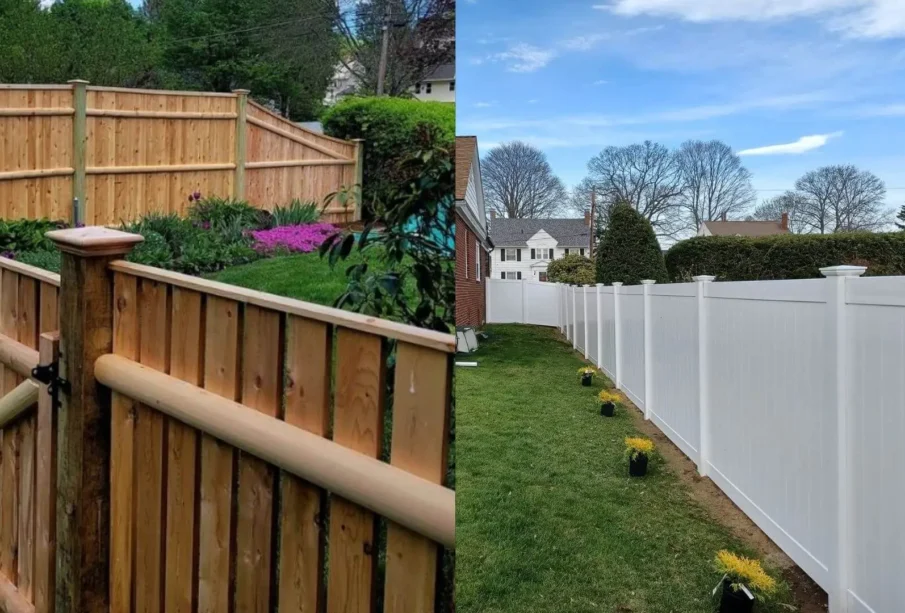
Cedar, vinyl, and steel are the materials most Boise fences are built from. Each one responds differently to the local climate. The right choice depends on how a material behaves under strong sun, dry air, and a wide yearly temperature swing. That is why trusted fence installation experts in Boise consider the local weather before recommending a fence style. A fence that suits a mild, damp climate may struggle in Boise’s high desert. Materials and installation methods need to suit the local weather.
The Climate A Boise Fence Has to Withstand
Boise sits at roughly 2,700 feet in a semi-arid valley, where dry air and strong sunshine influence the local climate. Summer highs reach the low 90s in July. The whole year brings only about twelve inches of rain. Winters freeze hard at night. Three features of this climate put the most strain on a fence:
- Intense ultraviolet light at elevation. This fades color and weakens materials faster than at sea level.
- Wide temperature swings between hot days and freezing nights. These expand and contract every material through the year.
- Strong spring wind across the valley. This places the most strain on solid panels that block the wind.
Constant moisture is a common cause of fence damage in wetter regions. Boise’s dry climate makes moisture a less common source of damage.
How Cedar Handles the Sun
Western red cedar contains natural oils that resist rot and insects. It also gives a fence the grain and color of real wood. Boise’s sun is its main challenge. Left unsealed, cedar dries, cracks along the grain, and becomes a silvery gray within two or three seasons. The gray affects only the surface, and some owners like the weathered look. Keeping the original color means cleaning and resealing the wood every few years. The boards stay sound for a long time even without that care.
How Vinyl Handles Heat and Cold
Vinyl requires very little upkeep. It does not rot and never needs sealing. It stands up well in dry air. Its weak point is temperature. Vinyl without UV stabilizers can chalk and yellow under strong sunlight, so the quality of the material affects how long it holds up. In cold weather, vinyl turns brittle. On a freezing January night, a panel that would only dent in summer can crack under a hard impact. That impact might be ice thrown from a plow or a stray ball. A UV-stabilized grade avoids most of these problems and stays low-maintenance for decades. A cheaper grade shows the strain within a few years.
Why Steel Suits Wind and Long Service
Ornamental iron and steel tube panels are the strongest of the three. They are also the best suited to wind. Strong winds are common across the Treasure Valley in spring. A solid wood or vinyl fence takes the full force of a gust. An open steel fence allows wind to pass through, putting less pressure on the structure. Factory steel comes galvanized and powder-coated. That finish protects the metal from rust through years of rain and snowmelt. Steel offers little privacy and costs the most to install. In return, it lasts longer than wood or vinyl and needs the least maintenance.
Matching The Material to Budget and Upkeep
Price and upkeep usually decide the final choice. Cedar costs the least to install. It needs regular sealing to keep its color and prevent cracking, so its long-term cost increases with the labor. Vinyl costs more at the start. It returns that money in years of low upkeep. Steel costs the most upfront and the least over time. It generally lasts longer than the other options. A homeowner planning to sell within a few years may prefer the lower entry price of cedar. Those staying for the long term may opt for vinyl or steel. Petrified Fence solves this by matching the material to the site, the climate, and the owner’s timeframe. The fence is then chosen for Boise conditions instead of from a catalog.