The Importance of Professional Bed Bug Extermination in Denver: What Hot Bugz Wants You to Ask First
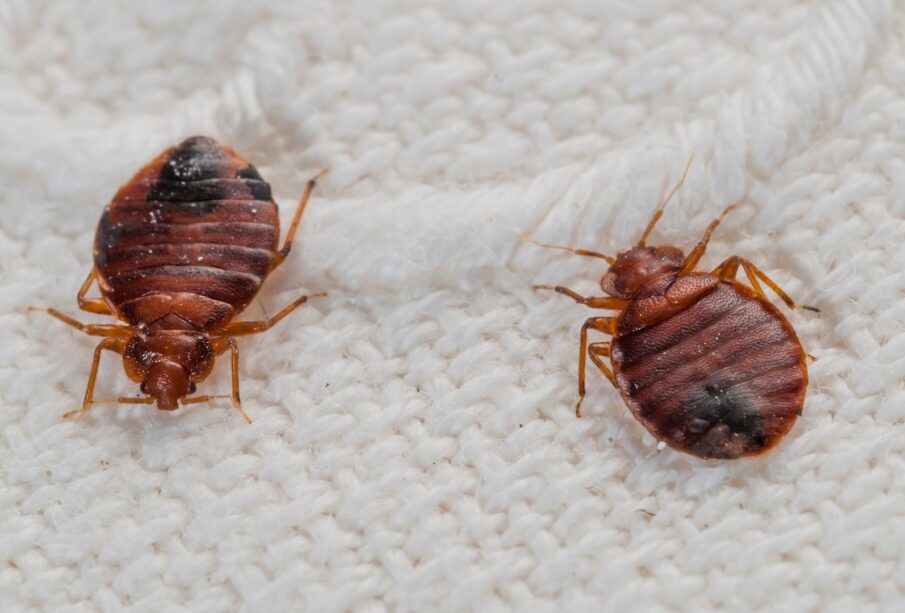
Most Denver bed bug jobs that go badly were do-it-yourself attempts first. The homeowner sprayed, moved a mattress to the spare room, and turned one infested bedroom into two. By the time a crew running Hot Bugz equipment arrives, the population has spread and the price has gone up. Hiring a professional is less about buying stronger chemicals than about buying a correct diagnosis, equipment that reaches eggs, and a written record that the job actually worked.
Why does DIY treatment usually fail?
Because store-bought products cannot reach where bed bugs live, and moving infested items spreads them. Eggs sit cemented inside mattress seams, hollow bed frames, and wall voids where surface sprays never penetrate, and they hatch six to ten days later, which is why people believe an infestation returned when it was never eliminated.
Chemistry is the second problem. A large share of North American bed bug populations are resistant to the pyrethroid insecticides sold in hardware stores, a pattern documented in field studies for close to two decades. Total release foggers perform particularly poorly, and research by Susan Jones at Ohio State University published in the Journal of Economic Entomology found little to no meaningful mortality from them against bed bugs.
Then there is the spread. Dragging a couch to the basement or sleeping on the sofa to escape bites relocates the problem rather than escaping it. Bed bugs follow carbon dioxide and body heat, so the new sleeping spot becomes the new infestation site within days.
What licensing should a Denver bed bug company have?
Commercial pesticide application in Colorado is regulated by the Colorado Department of Agriculture under the state Pesticide Applicators’ Act, which requires companies applying pesticides for hire to hold a business license and employ a qualified supervisor in the appropriate category. You can verify a company’s license status directly with the department rather than taking a website badge at face value.
Heat-only treatment is a nuance worth understanding. A purely thermal job applies no pesticide, so the licensing picture differs from a chemical program, and many reputable operators hold pesticide credentials anyway because most real-world jobs pair heat with a residual dust or barrier. Ask which credentials the specific technician working your home holds, and ask for proof of general liability insurance, since heat treatment involves equipment capable of damaging property when run carelessly.
What should you ask before hiring anyone?
Ask questions that force specifics rather than reassurance. A capable operator will answer all of these without hesitation:
- Will you inspect before quoting, or is this price sight unseen
- What target temperature will you hold, and for how long
- How many temperature sensors will you place, and where
- Will I receive the sensor logs and a written inspection report
- Will you inspect adjacent rooms or neighboring units
- What is the written preparation list, and what has to be removed
- Is a follow-up inspection included, and at what interval
- What does the warranty cover, and what voids it
The sensor question separates serious thermal operators from everyone else. Heat that nobody measured is heat nobody can verify, and the coldest point in the room is what determines whether eggs died.
What are the warning signs of a bad operator?
A firm price quoted over the phone without an inspection is the clearest one. Treatment cost depends on square footage, clutter volume, and how far the infestation has traveled, none of which anyone can assess by phone.
Other patterns worth walking away from include promising elimination in a single spray visit, telling you to throw out furniture before anyone has inspected it, refusing to look at adjoining units in a multifamily building, and declining to put the preparation requirements in writing. Pressure to sign during the inspection is a sales tactic, not an emergency response.
Discarding furniture deserves a specific caution. A zippered encasement costs roughly $30 to $60 per bed and preserves a mattress that would otherwise be hauled away, and an infested mattress left on a Denver curb is how the problem reaches the next building.
What does professional treatment cost in Denver?
Single room heat treatment generally runs $500 to $1,500, and whole home thermal work lands between $1,200 and $4,000 depending on size, access, and clutter. Chemical programs quote lower per visit, often $300 to $600, but need two to four visits across four to six weeks, so the totals converge more often than people expect.
Compare what is included rather than the headline number. A quote that covers inspection, treatment, adjacent room checks, sensor documentation, and a follow-up visit at two and four weeks is not competing with a quote that covers one spray application, even if the second number looks smaller.
What should a Hot Bugz job look like from start to finish?
Inspection first, then a written prep list, then a treatment day that runs six to ten hours on site. Sensors go at the coldest points, inside the mattress, behind the headboard, under heavy furniture, and in wall voids, while fans move hot air into those pockets.
The thresholds come from published research. Kells and Goblirsch, writing in the Journal of Economic Entomology, found that roughly 90 minutes at 113°F (45°C) kills all mobile stages, while 118°F (48°C) kills adults in about 20 minutes and eggs in about 90 minutes. Interceptor cups under the bed legs afterward turn ongoing monitoring into a glance, and a follow-up inspection confirms the result rather than assuming it.
Professional treatment buys three things a hardware store cannot sell: an accurate identification, equipment that reaches the eggs, and documentation proving what happened. Ask about sensors, ask about adjacent units, and verify the license before anyone plugs anything in. If you have found spotting on a seam or a husk in a bed frame, book a Hot Bugz inspection and request the temperature logs from your own treatment.