Typical Pest Problems in Little Elm: Check These Details
Little Elm is a waterfront community in Denton County. It is located on the shores of Lewisville Lake and has popular zones like Paloma Creek and Eldorado. Given how fast the city is growing and coupled with the closeness to the lake, it isn’t surprising that pest infestations are active here for most months of the year.
Ongoing, seasonal pest management isn’t an option here. You need a service like Romneypestcontrol.com that knows pest issues in Little Elm and has a capable team to tackle sudden problems. You can also expect the Romney experts to offer quarterly inspections. Below is an overview of typical pest problems found here.
Mosquitoes and Midges
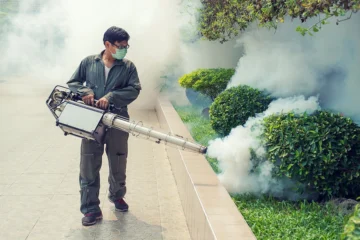
The massive surface area of Lewisville Lake is often a big factor here. Even minor rainfall can create standing water pockets in yards and gutters, and it doesn’t take long for mosquito populations to grow. Professional management is the only reliable way to fix hidden sources. Experts target both larvae in standing water and adult populations that hide in shaded areas of the yard. Signs to look for include persistent swarming at dusk and finding larvae in the yard, especially in planters and birdbaths.
Subterranean Termites
Little Elm has heavy clay soil, and coupled with lake-related moisture, subterranean termites easily survive here. Older homes and new builds with improperly graded soil are at equal risk. If you spot flying termites near doors or windows after spring rain or notice damaged floorboards and wooden structures, call the experts soon. The chances are high that an active population is damaging your home.
House mice and Roof rats
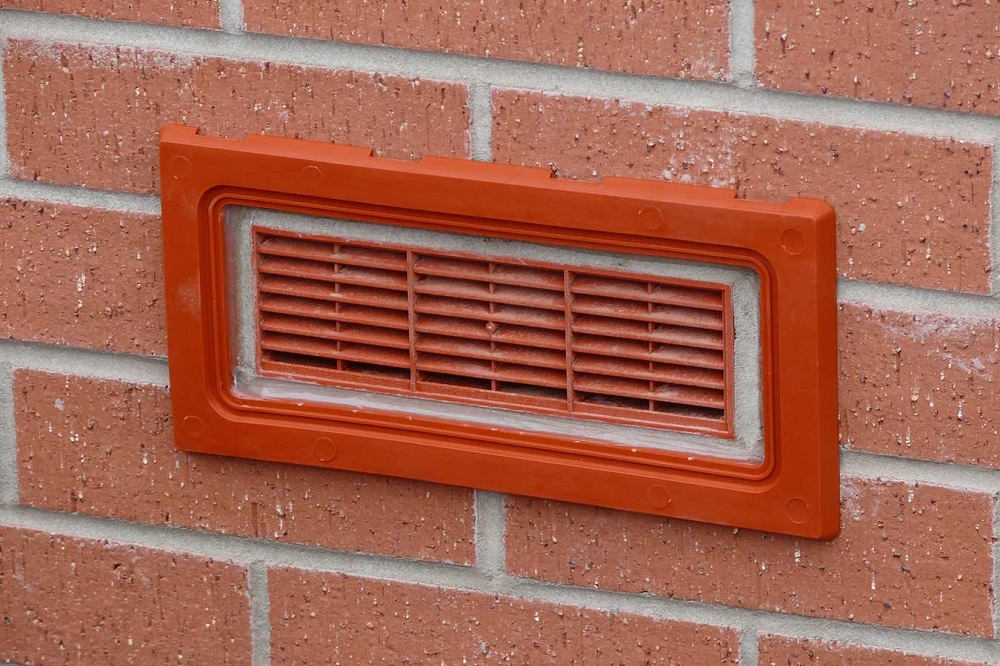
With extensive nature trails around, house mice and roof rats can easily enter your home, especially if the property is located in neighborhoods like Paloma Creek. With the changing weather in North Texas during autumn, rodents move inside, and if you don’t spend on sealing and exclusion, winter could mean dealing with home damage. Rodents can chew electrical wires, HVAC ducts, fabrics, and everything else, and you need professionals who can use products for sealing that these pests cannot chew through. Signs include unusual sounds coming from the attic and gnawed pantry items. Rodents also leave droppings, which can be checked in bathrooms and kitchen cabinets.
Stinging Insects
Lakefront flora ensures stinging insects like wasps and hornets thrive in local backyards. These insects build nests in shaded areas and eaves, and if you spot one, make sure that you don’t attempt to remove it. Instead, you need to call exterminators who can use tools to remove the nest and take active measures to reduce the pheromone trails. Considering the risk of stings to family members and pets, active intervention is mandatory.
Cockroaches
Both American and German cockroaches are found in this area of North Texas, and these thrive in moist areas of the house. Your kitchen, bathrooms, and laundry rooms are risky zones, and if you spot a roach during the day, assume that the colony has grown further. Cockroaches are carriers of many diseases, including E. coli, Salmonella, and allergens, which is why it is critical to focus on complete elimination rather than surface treatments.
Scorpions and Centipedes
During the summer, you can find occasional pest species like centipedes and scorpions. These pests will use the tiniest cracks and gaps to get inside, and unless you seal those, your kids and pets could be at risk. Look for signs like live or dead scorpions found in shoes, laundry, or bathroom sinks, and sightings usually increase when the weather changes.
When you call a company for pest control in Little Elm, technicians will review the entire house and find the like causes. They will also point out issues that need attention, such as leaking pipes. If possible, consider an ongoing plan.