The Complete Guide to Ductless Cooker Hoods
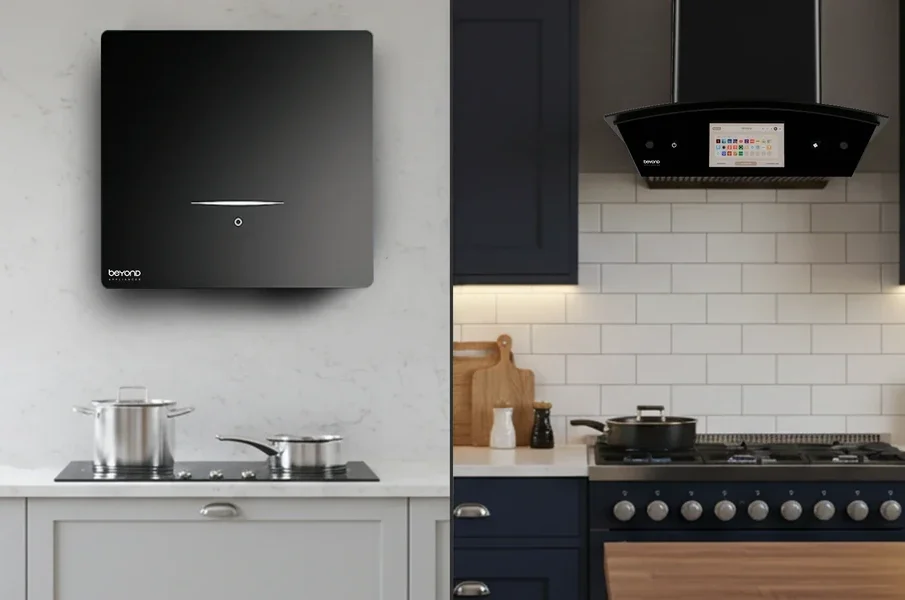
For many homes, installing external ducting for a cooker hood is simply not practical. Rental properties, apartments, listed buildings, and kitchens positioned away from external walls all present challenges that make conventional ducted extraction difficult or impossible. The ductless cooker hood – which filters and recirculates kitchen air rather than venting it externally – exists precisely to address these situations, and the best modern examples perform considerably better than their reputation sometimes suggests.
Understanding Ductless Operation
A ductless cooker hood processes kitchen air through a multi-stage filtration system before returning it to the room. Grease is captured by a mesh filter positioned at the air intake. Odours are then addressed by an activated carbon filter that absorbs volatile compounds as air passes through it. The cleaned air re-enters the kitchen through vents in the upper section of the hood body, completing the recirculation cycle.
Carbon Filter Quality: The Critical Variable
The single biggest factor determining the performance of a ductless hood is the quality of its carbon filter. Premium activated carbon with high surface area and greater carbon loading absorbs more odour molecules per unit and maintains effectiveness for longer between replacements. When comparing ductless hoods, look for specific filter specifications rather than generic claims – higher-grade carbon filtration makes a meaningful real-world difference that less expensive alternatives cannot match.
Maintenance Requirements
Ductless hoods require more attention to filter maintenance than their ducted equivalents. Grease filters should be cleaned monthly, carbon filters replaced every three to six months. Neglecting this schedule results in progressive loss of extraction effectiveness and, in the case of carbon filters, eventual re-release of captured odours when the filter becomes saturated.Appliance brands such as Ciarra One design their ductless product lines with accessible filter housings and clear replacement indicators to simplify the maintenance process and help owners keep their systems performing consistently.
Best Use Cases
Ductless hoods are best suited to moderate cooking environments. Everyday meal preparation, light frying, pasta, grilled foods, and similar domestic cooking is well within the capability of a well-maintained ductless system. Very high-intensity cooking – frequent deep frying, wok cooking, or extended high-heat sessions – will stretch recirculating systems, and a ducted alternative is worth pursuing in these cases if at all possible.